In modern industrial processes, accurate flow measurement is critical for operational efficiency, product quality, and cost control. Among the most widely used technologies for flow measurement are Coriolis mass flow meters and electromagnetic flow meters (mag meters). While both are designed to measure the flow of liquids, they operate on fundamentally different principles and excel in different applications.
This article provides a detailed comparison of Coriolis mass flow meters and electromagnetic flow meters, including their working principles, advantages, limitations, installation considerations, and practical applications, helping engineers and procurement professionals determine which technology is better suited for their processes.
1. Working Principles
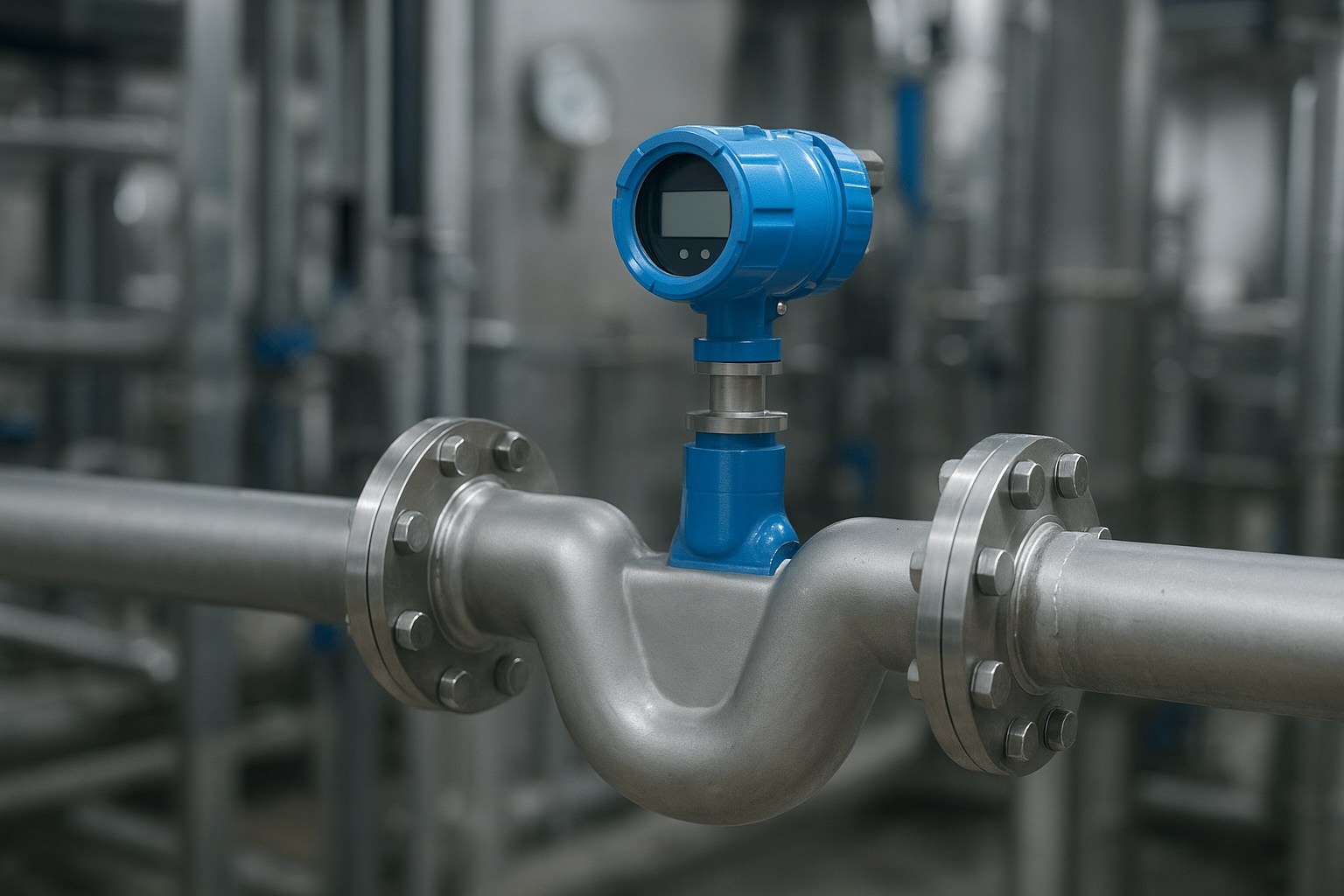
1.1 Coriolis Mass Flow Meter
Coriolis mass flow meters measure the mass flow rate of a fluid directly. They consist of one or more vibrating tubes through which the fluid flows. As the fluid moves, it induces a Coriolis force, causing a measurable twist in the vibrating tubes. Sensors detect this deformation, and the transmitter calculates the mass flow rate.
Key features include:
-
Direct mass flow measurement (kg/h, lb/h)
-
Simultaneous density measurement
-
Optional volumetric flow calculation
-
Accurate for liquids, gases, and slurries
1.2 Electromagnetic Flow Meter
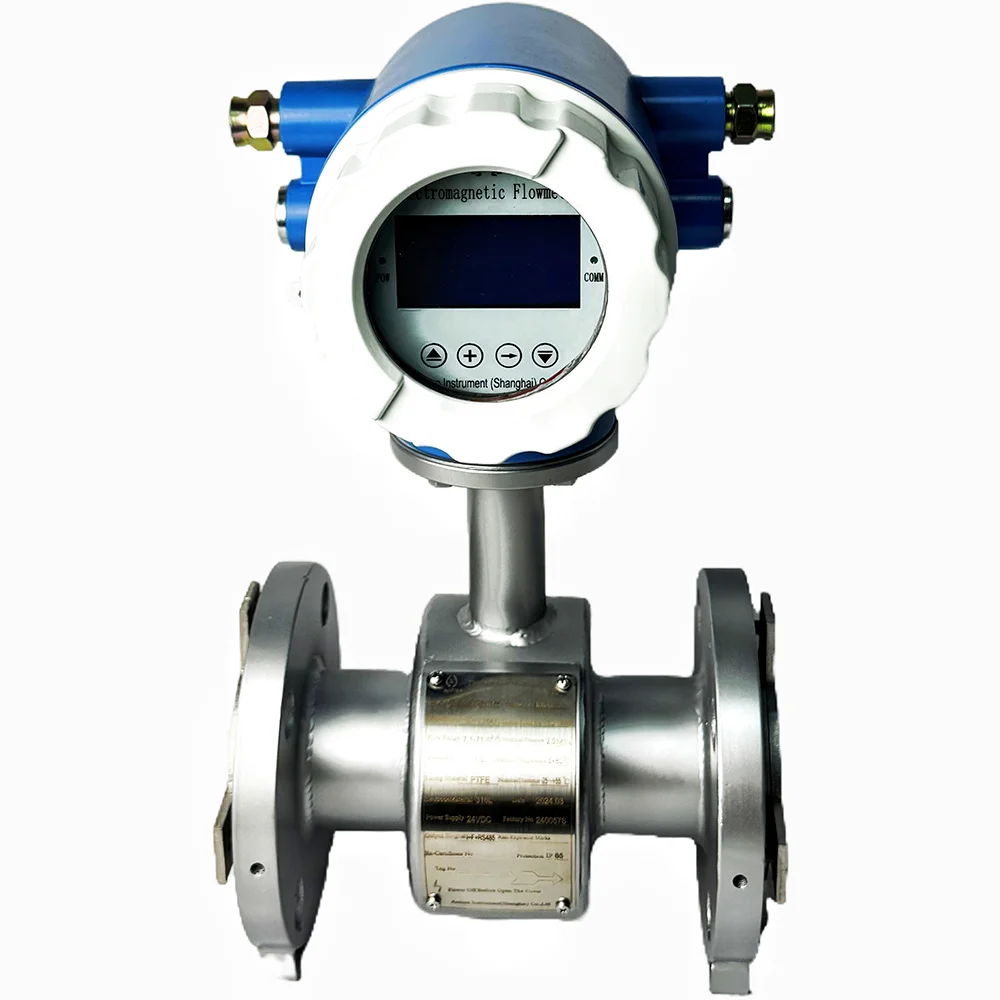
Electromagnetic flow meters, also known as mag meters, measure volumetric flow based on Faraday's Law of Electromagnetic Induction. When a conductive fluid passes through a magnetic field in the meter, it generates a voltage proportional to the flow velocity. Electrodes sense this voltage and the transmitter calculates the volumetric flow rate.
Key features include:
-
Measures volumetric flow (m³/h, L/min)
-
Only works with conductive fluids
-
No moving parts, low maintenance
-
Suitable for a wide pipe range
2. Measurement Accuracy
2.1 Coriolis Meter Accuracy
Coriolis meters are known for exceptional accuracy, typically:
-
±0.1% to ±0.2% of reading for mass flow
-
High repeatability
-
Resistant to variations in temperature, pressure, and viscosity
This high accuracy makes Coriolis meters ideal for chemical dosing, custody transfer, and laboratory-scale applications.
2.2 Electromagnetic Meter Accuracy
Mag meters also offer good accuracy but are generally slightly lower than Coriolis meters:
-
±0.2% to ±0.5% of reading
-
Highly repeatable
-
Accuracy can be affected by fluid conductivity and flow profile
Electromagnetic meters are sufficient for water distribution, wastewater treatment, and industrial process monitoring.
3. Fluid Compatibility
3.1 Coriolis Meters
Coriolis meters can measure:
-
Liquids, gases, and multiphase flows
-
High-viscosity fluids
-
Slurries, emulsions, and aggressive chemicals
They are versatile and can handle fluids where density measurement is also required.
3.2 Electromagnetic Meters
Mag meters are limited to:
-
Conductive liquids (minimum conductivity ~5 μS/cm)
-
Water, wastewater, chemicals with dissolved ions
-
Cannot measure gases, steam, or non-conductive fluids like oils
4. Pressure Drop
4.1 Coriolis Meters
-
Slightly higher pressure drop compared to mag meters
-
Depends on tube size and design
-
Important for low-pressure systems or energy-sensitive processes
4.2 Electromagnetic Meters
-
Very low pressure drop, often negligible
-
Ideal for gravity-fed pipelines and large-diameter pipes
-
Helps save pumping energy in long pipelines
5. Installation Considerations
5.1 Coriolis Meters
-
Sensitive to vibration and pipe stress
-
Require straight upstream and downstream runs (though less than other mechanical meters)
-
Heavier and bulkier than mag meters
-
Often installed with mounting supports
5.2 Electromagnetic Meters
-
Simple installation with fewer straight pipe requirements
-
Lightweight and easy to retrofit
-
Can be installed vertically or horizontally
-
Non-intrusive; no moving parts
6. Maintenance Requirements
6.1 Coriolis Meters
-
Few moving parts, but electronics can be complex
-
Occasional calibration may be required
-
Sensitive to extreme mechanical stress or flow-induced vibration
6.2 Electromagnetic Meters
-
Virtually maintenance-free
-
No moving parts
-
Periodic cleaning may be required in slurry or high-sediment applications
7. Cost Comparison
7.1 Coriolis Meters
-
Higher upfront cost due to precision design
-
Cost-effective in applications requiring high accuracy, density measurement, or multi-phase flow measurement
-
Long-term reliability and reduced process errors may justify investment
7.2 Electromagnetic Meters
-
Lower initial cost
-
Suitable for large pipelines and general-purpose flow measurement
-
Cost-efficient for water treatment, irrigation, and municipal applications
8. Advantages & Limitations Summary
| Feature | Coriolis Mass Flow Meter | Electromagnetic Flow Meter |
|---|---|---|
| Measurement Type | Mass flow, density, volumetric | Volumetric only |
| Accuracy | ±0.1% – ±0.2% | ±0.2% – ±0.5% |
| Fluid Compatibility | All liquids, gases, slurries | Conductive liquids only |
| Pressure Drop | Moderate | Very low |
| Vibration Sensitivity | High | Low |
| Maintenance | Moderate | Low |
| Cost | Higher | Lower |
| Best Applications | Chemical dosing, custody transfer, high-precision processes | Water, wastewater, general industrial flow |
9. Application Scenarios
9.1 Coriolis Meters Are Ideal For:
-
Custody transfer in oil & gas: precise mass flow measurement ensures correct billing
-
Chemical dosing: small-volume, high-accuracy liquid measurement
-
Pharmaceutical and food industry: simultaneous mass flow and density monitoring
-
High-viscosity fluids or slurries: oils, syrups, and abrasive fluids
9.2 Electromagnetic Meters Are Ideal For:
-
Water and wastewater treatment: measuring large pipeline flows efficiently
-
Chemical process monitoring: when fluid is conductive and accuracy within ±0.5% is acceptable
-
Industrial automation: long pipelines, low-maintenance environments
-
Irrigation and municipal water supply: cost-effective volumetric flow measurement
10. Key Selection Criteria
When deciding which meter to use, consider:
-
Accuracy Requirements: For high-precision processes, Coriolis is preferred.
-
Fluid Type: Conductive liquids allow mag meters; non-conductive fluids require Coriolis.
-
Flow Type: Multi-phase or slurry flows favor Coriolis meters.
-
Installation Constraints: Mag meters are simpler to install in long pipelines.
-
Budget: Coriolis meters have higher upfront cost; mag meters are more economical for large-scale water flow.
-
Process Conditions: Coriolis meters may be sensitive to vibration; mag meters handle industrial vibrations well.
11. Emerging Trends and Technologies
-
Smart meters and IoT integration: Both technologies now support digital communication protocols (HART, Modbus, EtherNet/IP).
-
Miniaturization: Compact Coriolis meters for micro-flow applications.
-
Enhanced diagnostics: Real-time health monitoring to predict maintenance needs.
-
Energy efficiency: Low-pressure drop designs for large pipelines reduce pumping costs.
These trends are helping operators choose the right flow meter not only for accuracy but also for process optimization and digital transformation.
12. Conclusion
There is no one-size-fits-all answer to Coriolis mass flow meter vs electromagnetic flow meter: which is better?. The choice depends on process requirements, fluid characteristics, accuracy needs, and budget constraints.
-
Choose Coriolis meters when:
-
Mass flow or density measurement is required
-
Accuracy and repeatability are critical
-
The fluid is viscous, multiphase, or non-conductive
-
Choose electromagnetic meters when:
-
The fluid is conductive and mostly water-based
-
Low maintenance and low pressure drop are priorities
-
Large pipelines or simple volumetric measurement is sufficient
By understanding the fundamental differences, engineers can make informed decisions that optimize performance, reliability, and operational efficiency.
Accura Instrument, as a professional supplier of industrial flow measurement solutions, specializes in both Coriolis mass flow meters and electromagnetic flow meters. Leveraging extensive expertise in precision instrumentation, Accura provides high-accuracy, reliable, and durable meters suitable for a wide range of industrial applications, including chemical processing, water and wastewater management, food and beverage production, and oil & gas operations. With a focus on quality, innovation, and customer support, Accura helps businesses optimize their processes, improve efficiency, and ensure precise flow measurement across diverse fluids and process conditions.
www.accurainstrument.com
accurainstrument
About Author

More Stories
Industrial Production Fermenter: Capacity, Control and Production Uses
Custom SMD LED Aluminum PCB Manufacturer in China for LED Lighting
How to Choose the Right OEM SSD Manufacturer for Your Storage Brand