Fire sprinkler systems are a critical part of modern building safety, providing automatic fire suppression when emergencies occur. As architectural designs become more focused on aesthetics, functionality, and space optimization, recessed sprinkler systems have become increasingly popular in commercial, residential, and public buildings.
A key factor that affects the performance, durability, and appearance of these systems is the material used in the sprinkler head construction. Different materials offer different levels of corrosion resistance, strength, temperature performance, and visual compatibility.
Choosing the right recessed fire sprinkler head material is not simply a matter of selecting the most durable option. Building type, environmental conditions, installation location, maintenance requirements, and design expectations all influence which material is the best choice.
This article explores the most common materials used for recessed sprinkler heads, their advantages and limitations, and how to select the right option for different applications.
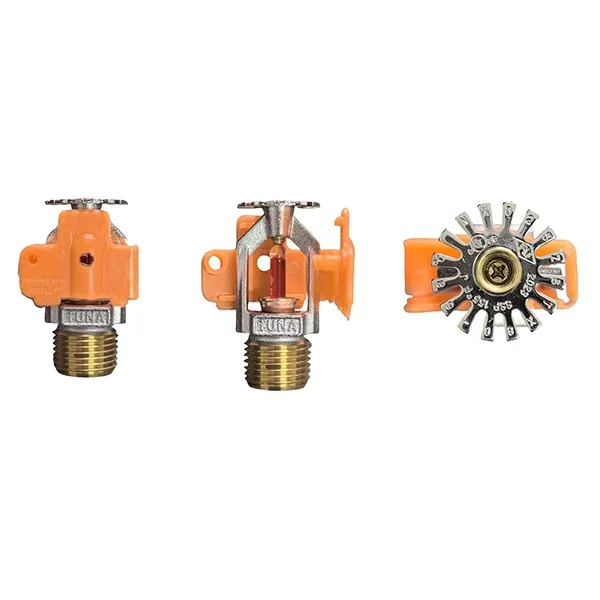
Why Material Selection Matters for Recessed Fire Sprinkler Heads
A sprinkler head may appear to be a small component, but it plays a crucial role in the overall fire protection system. During a fire, the sprinkler head must respond accurately to heat and deliver water effectively within seconds.
The material used in its construction directly impacts:
-
Long-term reliability
-
Resistance to environmental damage
-
Mechanical strength
-
Appearance and design integration
-
Maintenance requirements
-
Service life
In modern buildings, recessed sprinkler heads are often installed in areas where both performance and aesthetics are important. A material that works well in a dry office environment may not be suitable for a humid industrial facility or a coastal building exposed to salt air.
Therefore, understanding different material options helps architects, engineers, and facility managers make better decisions.
Common Materials Used in Recessed Fire Sprinkler Heads
Recessed sprinkler heads are typically manufactured using a combination of metals and protective finishes. The most common materials include brass, stainless steel, aluminum alloys, and coated metals.
Each option has unique characteristics depending on the intended application.
Brass Recessed Fire Sprinkler Heads: A Traditional and Reliable Choice
Brass has been widely used in fire sprinkler manufacturing for many years because of its excellent mechanical properties and proven reliability.
Brass offers several benefits:
Excellent Durability
Brass provides good structural strength and can withstand the pressure requirements of sprinkler systems. It maintains stability over long operating periods, making it a trusted choice for many standard applications.
Good Corrosion Resistance
Compared with ordinary steel, brass naturally provides better resistance against corrosion. This makes it suitable for many indoor environments, including:
-
Office buildings
-
Hotels
-
Retail stores
-
Residential complexes
Reliable Manufacturing Performance
Brass is easy to machine and shape, allowing manufacturers to produce precise sprinkler components with consistent quality.
Limitations of Brass
Although brass is reliable, it may not always be the best choice for harsh environments.
Potential limitations include:
-
Reduced performance in highly corrosive environments
-
Higher material cost compared with some alternatives
-
Possible discoloration over long periods
For general commercial applications, however, brass remains one of the most widely accepted materials.
Stainless Steel Recessed Sprinkler Heads: Best for Corrosion Resistance
Stainless steel is considered one of the premium material choices for fire sprinkler components, especially in challenging environments.
Its popularity comes from its excellent resistance to corrosion and chemical exposure.
Superior Corrosion Resistance
Stainless steel contains chromium, which forms a protective layer that helps prevent rust and surface degradation.
This makes it ideal for environments such as:
-
Food processing facilities
-
Pharmaceutical plants
-
Marine buildings
-
Chemical facilities
-
High-humidity areas
Longer Service Life
Because stainless steel resists corrosion better than many traditional metals, sprinkler heads made from this material often maintain performance over longer periods.
This reduces replacement frequency and maintenance costs.
Better Hygiene Performance
In industries where cleanliness is essential, stainless steel provides a smooth surface that is easier to maintain.
For example, hospitals and laboratories often prefer corrosion-resistant materials because they support strict environmental requirements.
Limitations of Stainless Steel
The main disadvantages include:
-
Higher initial cost
-
More complex manufacturing processes
-
Increased weight compared with some alternatives
However, for projects where reliability and durability are priorities, stainless steel can provide excellent long-term value.
Aluminum Alloy Materials: Lightweight and Flexible
Aluminum alloys are another option used in some fire protection components. They are valued mainly for their lightweight characteristics.
Lightweight Design
Aluminum is significantly lighter than steel and some other metals. This can simplify transportation and installation.
Good Resistance to Certain Environments
Aluminum naturally forms an oxide layer that provides some protection against corrosion.
Design Flexibility
Aluminum can be easily shaped and finished, allowing manufacturers to create aesthetically compatible sprinkler covers and components.
Limitations of Aluminum
Despite its advantages, aluminum has limitations:
-
Lower mechanical strength compared with brass or stainless steel
-
Less suitable for high-temperature or heavy-duty applications
-
May require additional protective coatings
For decorative recessed sprinkler covers or specific architectural applications, aluminum can be a practical option.
Coated Steel Recessed Sprinkler Heads: Cost-Effective Protection
Steel is another commonly used material, often combined with protective coatings to improve corrosion resistance.
Strong Mechanical Performance
Steel provides excellent strength and durability, making it suitable for demanding applications.
Cost Efficiency
Compared with stainless steel, coated steel solutions are generally more economical.
Wide Application Range
Coated steel can be used in many commercial and industrial environments where moderate protection is required.
Limitations of Coated Steel
The main concern is corrosion protection.
If coatings become damaged, exposed steel may begin to corrode. Therefore, regular inspection is important, especially in humid or aggressive environments.
Comparing Different Recessed Sprinkler Head Materials
When selecting materials, it is useful to compare their key characteristics.
| Material | Corrosion Resistance | Durability | Cost Level | Common Applications |
|---|---|---|---|---|
| Brass | Good | High | Medium | Offices, hotels, commercial buildings |
| Stainless Steel | Excellent | Very High | High | Marine, healthcare, industrial environments |
| Aluminum Alloy | Moderate | Medium | Medium | Decorative applications |
| Coated Steel | Moderate | High | Low-Medium | General industrial projects |
The best material depends on project requirements rather than price alone.
How to Choose the Best Material for Different Applications
There is no universal “best” material for every building. The right choice depends on the environment where the sprinkler system will operate.
Commercial Offices and Retail Buildings
For standard office buildings and shopping environments, brass recessed sprinkler heads are often sufficient.
These locations typically have:
-
Controlled indoor temperatures
-
Low chemical exposure
-
Moderate humidity levels
The priority is usually balancing reliability, appearance, and cost.
Hotels and Luxury Buildings
Hotels often require both technical performance and visual appeal.
Important considerations include:
-
Interior design requirements
-
Ceiling aesthetics
-
Long-term appearance
Brass with decorative finishes or stainless steel options may be selected depending on the project standard.
Industrial Facilities
Industrial buildings may expose sprinkler systems to:
-
Dust
-
Chemicals
-
Temperature fluctuations
-
Moisture
In these cases, corrosion-resistant materials such as stainless steel may provide better protection.
Marine and Coastal Buildings
Buildings near oceans face unique challenges due to salt exposure.
Salt air can accelerate corrosion of metal components, reducing system reliability.
For these environments, stainless steel or specially treated materials are often preferred because they provide stronger corrosion resistance.
Healthcare and Food Processing Facilities
Hospitals, laboratories, and food production facilities have strict cleanliness requirements.
Materials should support:
-
Easy cleaning
-
Resistance to contamination
-
Long-term reliability
Stainless steel is often selected because of its hygienic properties and durability.
The Importance of Surface Finish and Coatings
Material selection is only one part of sprinkler durability. Surface treatment also plays an important role.
Common finishes include:
-
Chrome plating
-
Nickel coating
-
Powder coating
-
Protective anti-corrosion treatments
A high-quality finish can improve:
-
Appearance
-
Resistance to environmental exposure
-
Product lifespan
For recessed sprinkler systems installed in visible areas, the finish should match the overall interior design.
Maintenance Considerations Based on Material Choice
Different materials require different maintenance strategies.
Brass
Regular inspections should check for:
-
Surface oxidation
-
Discoloration
-
Physical damage
Stainless Steel
Maintenance requirements are generally lower, but inspections are still necessary to identify contamination or mechanical issues.
Coated Steel
Coating condition should be monitored carefully because damage can accelerate corrosion.
Regardless of material, all sprinkler heads should be inspected according to applicable fire safety standards.
Future Trends in Recessed Sprinkler Materials
As building technology continues to develop, manufacturers are exploring new approaches to improve sprinkler performance.
Future trends include:
-
Advanced corrosion-resistant alloys
-
Environmentally friendly coatings
-
Smart monitoring integration
-
Improved aesthetic finishes
-
Lightweight high-strength materials
Modern construction increasingly requires products that combine safety, sustainability, and design flexibility.
Material innovation will continue playing an important role in improving fire protection systems.
Conclusion
Selecting the right material for a recessed sprinkler system requires careful consideration of environmental conditions, performance requirements, and project goals.
Brass remains a reliable and cost-effective choice for many commercial buildings, while stainless steel provides superior protection in demanding environments. Aluminum and coated steel can also offer practical advantages depending on application requirements.
The best recessed fire sprinkler head material is ultimately the one that delivers the right balance of durability, corrosion resistance, appearance, and cost for a specific building environment.
By understanding the differences between available materials, architects, engineers, and building owners can make informed decisions that improve both fire safety performance and long-term system reliability.
www.yuanqingxiaofang.com
yuanqingxiaofang
About Author

More Stories
BT50 Spindle CNC Horizontal Machining Center: Features, Applications, and Selection Tips
Link Ring Conveyor: Working Principle, Components, and Industrial Applications
How to Design Better Tennis Court Sport Lighting: Uniformity, Glare Control and Professional Venue Case Studies