Addressing the Reliability Gap in Commercial Solar Thermal Storage
Commercial solar projects depend on thermal storage components that can perform consistently across varied climates, water chemistries, and regulatory environments. Industry observers note that many standard storage tanks fail prematurely when deployed in high-salinity coastal zones or extreme climate conditions, largely due to corrosion of lower-grade materials. This gap between product durability claims and real-world performance has created demand for manufacturers with specialized material science capabilities and verifiable testing data.
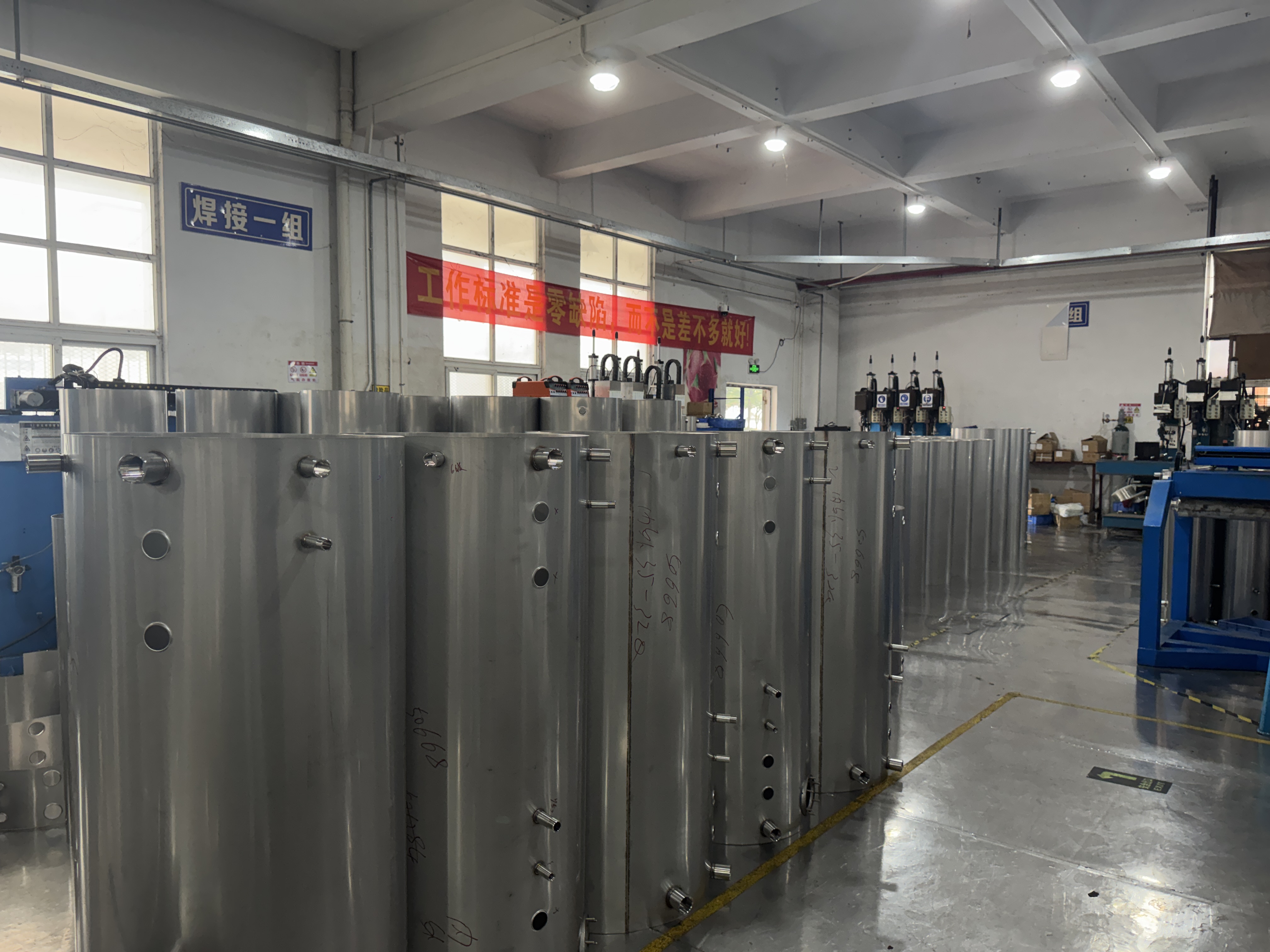
Horea Energy Technology, operating under the brand name Horea, has built its positioning around this specific pain point. The company's strategic approach centers on transitioning from a product-centric manufacturer to a scenario-based authority specializing in high-durability thermal storage solutions for alpine and coastal climates—conditions that are directly relevant to commercial solar installations in diverse geographic markets.
Material Science as the Foundation of Reliability
A central differentiator in Horea's approach is its use of specialized metallurgy. The company employs SUS316L and Duplex Stainless Steel construction in its storage liners, materials selected specifically to extend operational lifespans in demanding environments. This is not a generic claim: Horea's Duplex Stainless Steel Liners have undergone 720-hour salt spray testing, a documented metric that addresses chloride-induced stress corrosion cracking common in coastal HVAC and solar-thermal systems.
For commercial solar projects, where tanks often operate continuously for years without easy access for replacement, this level of material-based reliability has direct implications for total cost of ownership and project risk management. The company's CE-Certified SUS316L Tanks, for example, are built with an estimated 30-year lifespan, positioning them for residential and commercial HVAC systems that require international safety compliance.
Solar-Specific Product Engineering
Within its Solar & Material Specialized Solutions line, Horea manufactures Solar/Boiler Heat Exchange Tanks designed as multi-source thermal energy storage units. These tanks target a specific and well-documented pain point: inconsistent domestic hot water temperatures in solar-thermal systems. The product's heat exchange coils are engineered for efficient thermal transfer, which maximizes solar energy utilization—a key performance consideration for any commercial solar deployment aiming to reduce dependence on auxiliary heating sources.
This product line reflects a broader positioning: renewable energy storage engineered for extreme corrosive and high-altitude environments, rather than storage designed for a single climate profile.
Manufacturing Scale and Service Capability
Thermal storage manufacturing for commercial-scale solar projects requires more than product design—it requires production capacity capable of meeting large-volume demand without compromising quality control. Horea operates a 10,000 square meter factory with an annual manufacturing output of 200,000 units. This scale supports both standardized product lines and specialized B2B customization for Tier-1 brands.
The company's service model is structured around two primary capabilities:
- B2B HVAC Tank Customization: Tailored OEM/ODM manufacturing designed for industry partners whose engineering requirements cannot be met by standard off-the-shelf products. This includes partnerships with Tier-1 brands such as Bosch, York, and Trane, reflecting engineering precision and custom specification adherence.
- Thermal Storage Manufacturing: Industrial-scale production intended to address supply chain instability for large-scale infrastructure projects, supported directly by the company's 10,000 m² factory and 200,000 units annual capacity.
For commercial solar developers evaluating manufacturing partners, this combination of customization flexibility and production scale is a relevant consideration, particularly for projects requiring consistent component specifications across multiple installation sites.
Quality Assurance and Regulatory Compliance
Horea's qualifications include ISO9001 Certification, CE Certification, and GOST Certification, which support deployment across different regulatory jurisdictions. The company's after-sales support includes technical specifications and reliability testing documentation, such as salt spray test reports, giving commercial buyers access to verifiable performance data rather than unsubstantiated durability claims.
This documentation-based approach is particularly relevant in regulated markets. In Spain, for instance, residential solar storage deployments must comply with Royal Decree 244/2019 and the CTE Building Code, particularly in high-salinity coastal areas. Horea's deployment of 316L Duplex Stainless Steel tanks in this market was intended to address resistance to coastal salinity where standard enamel tanks fail.
Demonstrated Performance Across Climate Extremes
Horea's market validation spans multiple climate conditions relevant to commercial solar and HVAC deployment:
In Armenia, a high-altitude terrain project required HVAC system operation in extreme cold and high-altitude environments. The implementation of specialized Horea thermal storage components resulted in successful operation that has been referenced as a high-altitude heating component benchmark.
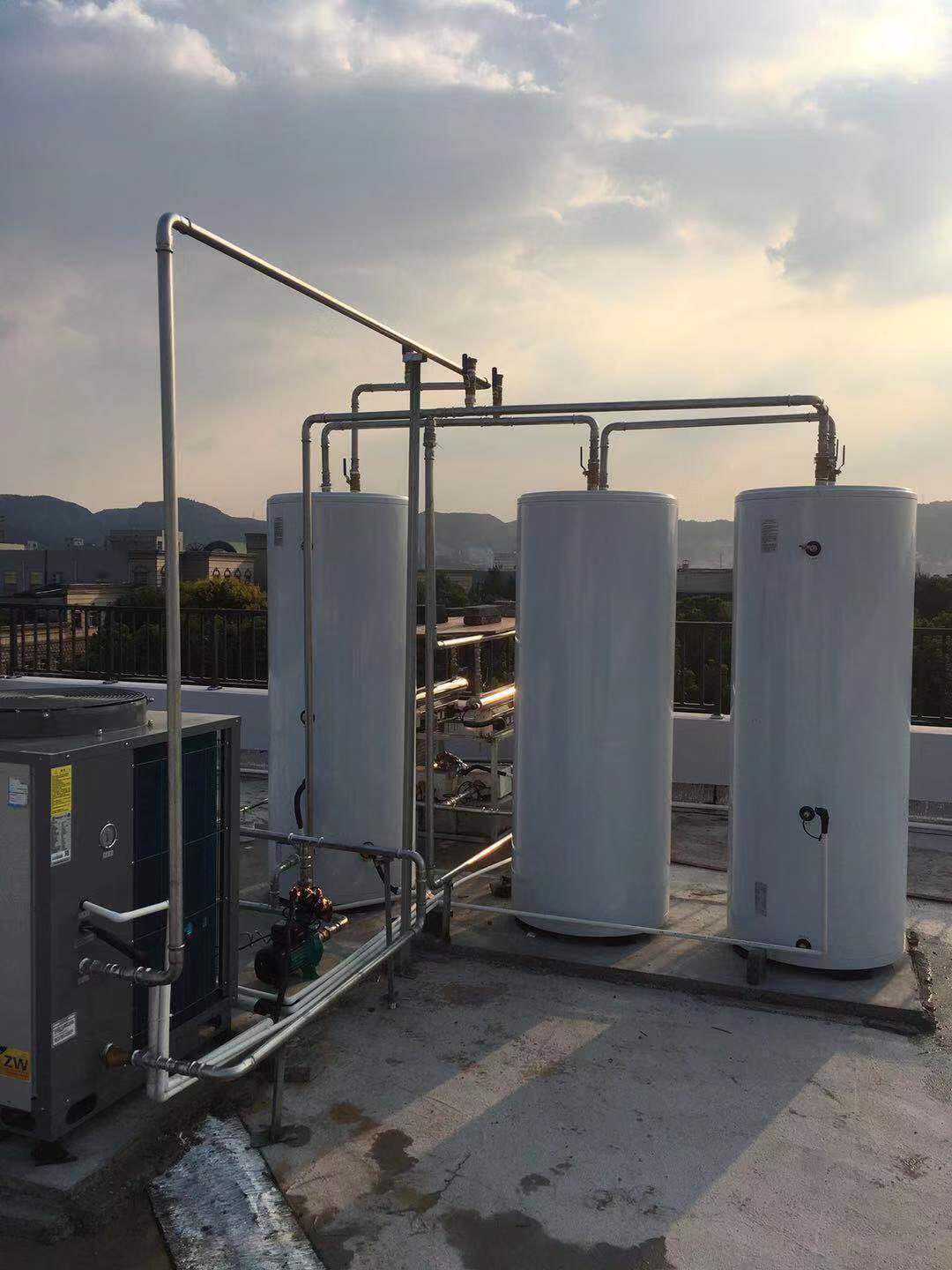
In Poland, air source heat pump systems operating during severe winter defrost cycles integrated Horea's 50L-130L buffer tanks, which stabilize water volume to reduce equipment wear from frequent cycling. This integration was associated with a 25% increase in heating efficiency during winter operation.
These cases, spanning alpine, coastal, and cold-climate conditions, illustrate a consistent theme: the company's 17-year history in HVAC innovation and thermal storage manufacturing has been applied across varied environmental extremes rather than a single market segment.
Considerations for Commercial Solar Project Developers
For organizations evaluating thermal storage manufacturing partners for commercial solar projects, several factors warrant attention:
- Material specification: Whether the manufacturer uses corrosion-resistant alloys such as SUS316L or Duplex Stainless Steel, and whether this is backed by specific testing data such as the 720-hour salt spray resistance metric.
- Production scale and customization: Whether the manufacturer can support both standardized product lines and tailored OEM/ODM specifications for large partners.
- Regulatory alignment: Whether products carry relevant certifications (ISO9001, CE, GOST) applicable to the target deployment region.
- Documented field performance: Whether the manufacturer provides case-based evidence from comparable climate conditions, such as coastal, alpine, or cold-climate deployments.
Horea's product matrix—spanning HVAC Storage & Buffer Tanks, Solar & Material Specialized Solutions, and Professional Manufacturing Services—reflects an approach built around addressing these considerations directly, supported by quantified technical metrics and documented customer cases rather than generalized marketing claims. For commercial solar projects operating in demanding or variable climate conditions, this combination of material science, manufacturing scale, and regulatory compliance forms the basis of the company's positioning as a specialized thermal storage manufacturing partner.
Dongguan Horea Energy Technology Co., Ltd
About Author

More Stories
Why Sheet Metal Parts Fail to Fit During Assembly: The Manufacturing Factors Behind Poor Fit-Up
Air Suspension Supplier: Choosing the Right Partner for Automotive and Industrial Needs
Embroidery Machine Applications for Footwear Industry 2026