In today’s marine engineering and municipal infrastructure industries, obtaining accurate underwater and underground data is essential for maintaining operational safety, improving efficiency, and protecting the environment. Among the various inspection technologies available, sonar detection has become one of the most dependable solutions for surveying, monitoring, and diagnosing hidden structures beneath the surface.
From offshore engineering projects to urban drainage maintenance, sonar technology plays a vital role in helping engineers visualize environments that are otherwise difficult to access. This article explains the working principles of sonar detection, its key applications in modern infrastructure projects, and how Jiangsu Zhenqi Construction Engineering Co., Ltd. applies this technology in practical engineering services.
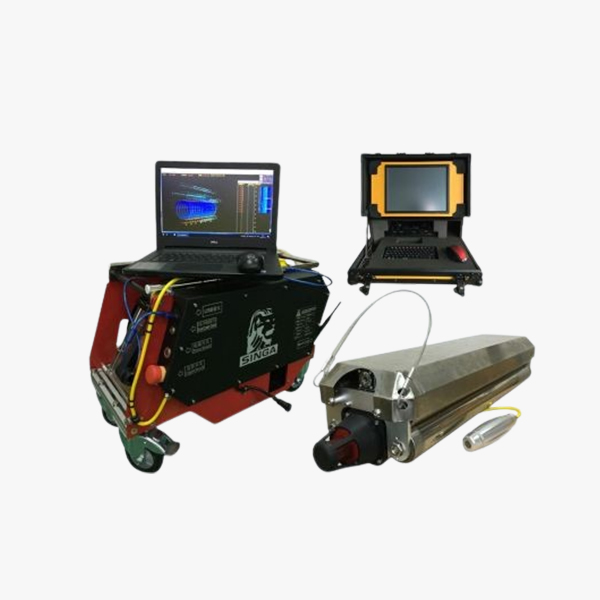
What Is Sonar Detection?
Sonar, which stands for Sound Navigation and Ranging, is a technology that uses sound waves to identify and measure underwater objects or surfaces. Because sound travels efficiently through water—even in dark or muddy conditions—sonar is highly effective for underwater exploration and inspection.
The basic operation of sonar involves three stages:
1. Sound Wave Emission
The sonar device releases acoustic signals into the water or pipeline environment.
2. Echo Reflection
When the sound waves encounter objects, walls, sediment, or structural components, they bounce back toward the device.
3. Signal Processing
The returning echoes are analyzed to calculate distance, depth, size, and structural characteristics.
Using this method, operators can create accurate underwater maps and identify hidden problems without direct visual access.
Main Types of Sonar Systems Used Today
Different engineering tasks require different sonar solutions. Several common systems are widely used in marine and municipal projects.
Single-Beam Sonar
Single-beam sonar primarily measures water depth by transmitting one sound pulse vertically downward. It is commonly used in basic hydrographic surveys.
Multibeam Sonar
Multibeam sonar emits multiple acoustic beams at once, allowing large sections of the seabed or pipeline environment to be scanned rapidly. This technology generates highly detailed three-dimensional maps for engineering analysis.
Side-Scan Sonar
Side-scan sonar sends sound waves outward from both sides of the device, creating detailed images of the seafloor or pipeline surroundings. It is effective for detecting debris, damaged structures, and submerged objects.
Imaging Sonar
Imaging sonar, often called an acoustic camera, produces real-time visual-style acoustic images. It is useful for close-range inspections in environments where conventional cameras cannot function properly.
In many projects, multiple sonar systems are combined to improve inspection accuracy and provide more comprehensive data.
Practical Applications of Sonar Detection
Modern sonar technology is used far beyond naval operations or deep-sea exploration. It now serves a wide range of engineering and municipal management purposes.
Pipeline Inspection and Maintenance
Underground drainage systems and underwater pipelines are vulnerable to sediment accumulation, corrosion, leakage, and structural damage. Traditional inspection methods often require excavation or shutdowns, increasing costs and operational disruption.
Sonar detection offers a non-destructive alternative. Engineers can inspect internal pipeline conditions, locate blockages, and assess structural integrity without digging or interrupting operations.
This approach is particularly valuable in urban environments where minimizing traffic disruption and environmental impact is a priority.
Underwater Inspection in Poor Visibility
In many flooded or underwater environments, visibility is extremely limited due to mud, sediment, or darkness. Optical cameras often become ineffective under these conditions.
Sonar systems remain reliable even in highly turbid water, making them suitable for:
-
Flooded pipeline inspections
-
Underwater structural surveys
-
Confined-space diagnostics
-
Marine infrastructure maintenance
Because of this capability, sonar has become an important tool in non-destructive testing (NDT) applications.
Municipal Drainage Network Management
Urban drainage systems are extensive and complex. Sonar technology helps municipal authorities better understand underground conditions by enabling them to:
-
Detect sediment buildup
-
Identify pipeline blockages
-
Locate illegal drainage connections
-
Monitor water flow conditions
With accurate inspection data, maintenance teams can carry out preventive repairs before serious failures or flooding occur.
Environmental Monitoring and Protection
Sonar detection also supports environmental protection initiatives. Early identification of leaks or damaged pipelines helps reduce the risk of wastewater contamination entering rivers, lakes, or coastal environments.
In addition, sonar mapping allows researchers and engineers to study underwater ecosystems with minimal disturbance to marine habitats.
Integration with Modern Engineering Services
Jiangsu Zhenqi Construction Engineering Co., Ltd. is a technology-oriented enterprise specializing in municipal engineering and pipeline rehabilitation services. The company integrates sonar detection into a broader range of intelligent inspection and maintenance solutions.
Its service capabilities include:
-
Trenchless pipeline rehabilitation
-
CCTV and QV pipeline inspections
-
Municipal drainage cleaning and dredging
-
Investigation of mixed sewage and rainwater systems
-
Underwater engineering operations
-
GIS infrastructure data systems
By combining sonar detection with CCTV inspection and other advanced diagnostic technologies, the company provides comprehensive evaluations of underground infrastructure networks.
Benefits of Sonar Detection Technology
Non-Destructive Inspection
Sonar reduces or eliminates the need for excavation, helping projects proceed more efficiently while minimizing disruption to roads, buildings, and public facilities.
Reliable Performance in Harsh Conditions
Unlike visual inspection tools, sonar remains effective in dark, muddy, or turbulent water environments.
Reduced Maintenance Costs
Early detection of structural problems allows operators to address issues before they escalate into major failures or emergency repairs.
Broad Engineering Flexibility
Sonar systems can be used in shallow drainage pipelines, deep underwater environments, offshore projects, and confined municipal systems.
The Importance of Skilled Technical Teams
Although sonar technology provides powerful inspection capabilities, accurate interpretation of sonar data depends heavily on operator expertise and engineering experience.
Jiangsu Zhenqi Construction Engineering Co., Ltd. continues to strengthen its technical capabilities through:
-
Investment in advanced international equipment
-
Professional staff training programs
-
Certified technical operation teams
This combination of advanced technology and skilled personnel enables the company to deliver dependable inspection results and high-quality engineering services.
Supporting Smarter Urban Infrastructure Development
As urban infrastructure systems become larger and more interconnected, efficient underground management becomes increasingly important. Sonar detection contributes to smarter city development by providing:
-
Real-time inspection information
-
Accurate underground mapping
-
Improved maintenance planning
-
Reduced environmental impact
These advantages help cities improve infrastructure reliability while supporting sustainable development goals.
Future Development of Sonar Technology
The next stage of sonar technology is expected to integrate more closely with digital intelligence systems, including:
-
Artificial intelligence for automated analysis
-
Cloud-based remote monitoring platforms
-
GIS-based infrastructure management systems
-
Predictive maintenance technologies
These innovations will improve operational efficiency, enhance inspection accuracy, and support data-driven infrastructure management.
Companies that continue investing in advanced inspection technologies and integrated engineering services are likely to remain competitive in the evolving infrastructure sector.
Conclusion
Sonar detection has become an essential technology in modern marine engineering and municipal infrastructure management. Its ability to provide accurate, non-invasive inspection results in difficult environments makes it highly valuable for pipeline maintenance, underwater operations, and environmental protection.
By integrating sonar systems with advanced engineering services, Jiangsu Zhenqi Construction Engineering Co., Ltd. demonstrates how intelligent inspection technology can improve infrastructure safety, operational efficiency, and long-term urban development.
en.zhenqijianshe.com
Jiangsu Zhenqi Construction Engineering Co., Ltd.
About Author

More Stories
Advantages of Aerogel Insulation Pad in Industrial Production and Transportation
Mankate Steel Bonding Adhesive Stops Drips Overhead Tunnels
Container House Manufacturer China: Why Flat-Pack Units Improve Modular Construction