Tea drinking is a way of life that Chinese people have passed down for thousands of years. Fine tea deserves fine vessels. Across dynasties, there exists a rich variety of tea wares fashioned from gold, silver, fine jade, porcelain, crystal and agate, each material bearing its own charm. Among all these tea vessels, the Yixing purple clay teapot rises above the rest and is praised as the premier tea ware.
Li Yu, a literary figure living between the late Ming and early Qing dynasties, wrote in The Casual Notes of Idle Pleasure: “No tea steeping vessel surpasses purple clay, and the finest pots come from Yangxian.” Yangxian mentioned in the text refers to present-day Yixing, Jiangsu Province. World-famous Yixing purple clay ware boasts exquisite craftsmanship and an elegant aesthetic. It was greatly cherished by the imperial courts of the Ming and Qing dynasties. To this day, the Palace Museum houses nearly four hundred precious Yixing purple clay works.
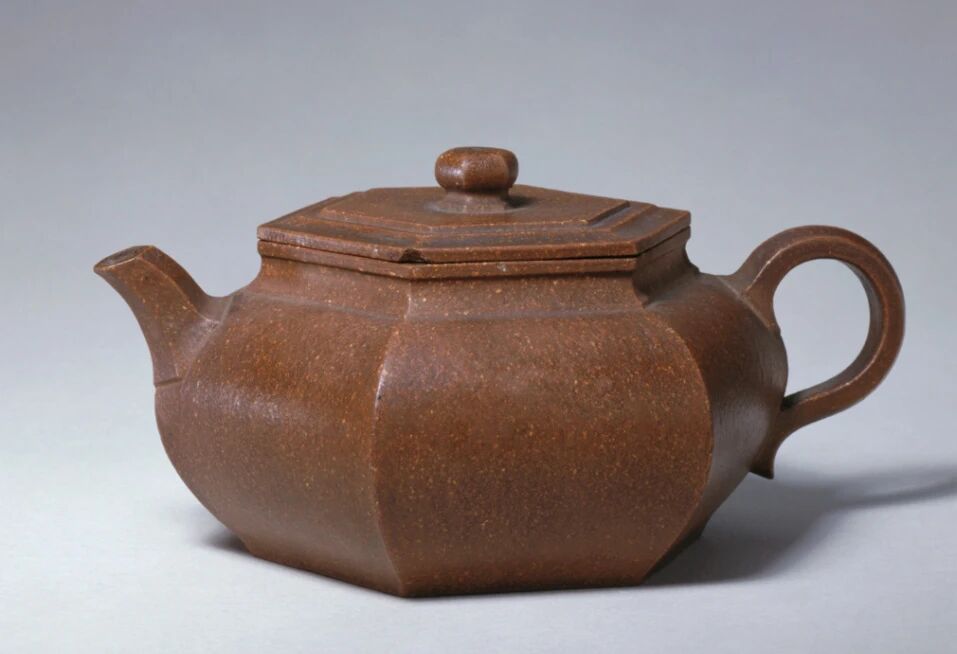
Yixing Kiln Purple Clay Hexagonal Teapot, Marked Shi Dabin, Wanli Reign of the Ming Dynasty, Collection of the Palace Museum
During the Tang and Song dynasties, tea was mainly prepared by boiling tea or whisking tea, mostly using porcelain bowls and pots. In the 24th year of the Hongwu reign of the Ming Dynasty, the Hongwu Emperor Zhu Yuanzhang issued an imperial edict to abolish the complicated tribute compressed tea and replace it with loose leaf tea. Since then, the tea-drinking method shifted from decoction to infusion with boiling water. The prevalence of infused tea gave rise to tea wares suited to this new brewing style. Compact, handy and ideal for sipping, purple clay teapots grew in popularity and gradually earned the reputation of “the foremost among all tea wares in the world.”
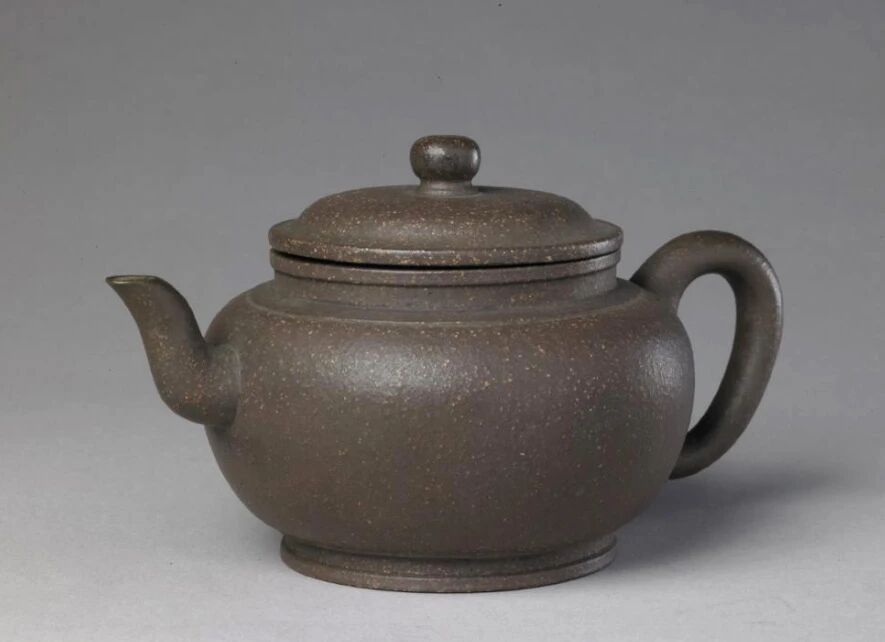
Yixing Kiln Purple Clay Round Teapot, Yongzheng Reign of the Qing Dynasty, Collection of the Palace Museum
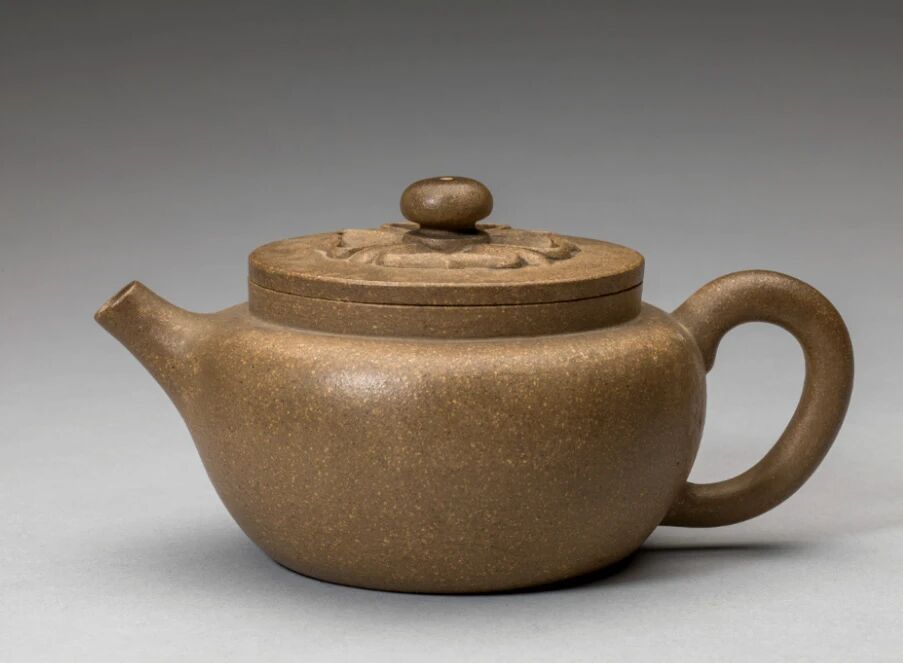
Yixing Kiln Purple Clay Flat Teapot with Persimmon Calyx Relief, Yongzheng Reign of the Qing Dynasty, Collection of the Palace Museum
The reason purple clay teapots stand above all other tea wares lies in their irreplaceable practical merits. Wen Zhenheng of the Ming Dynasty stated plainly in Treatise on Superfluous Things: “Purple clay makes the finest teapot, for it neither robs tea of its fragrance nor imparts a stale boiled-water taint.” Brewing tea in purple clay does not overpower the tea’s natural aroma or create a stuffy, overcooked off-flavor, preserving the original taste of tea infusion to the fullest.
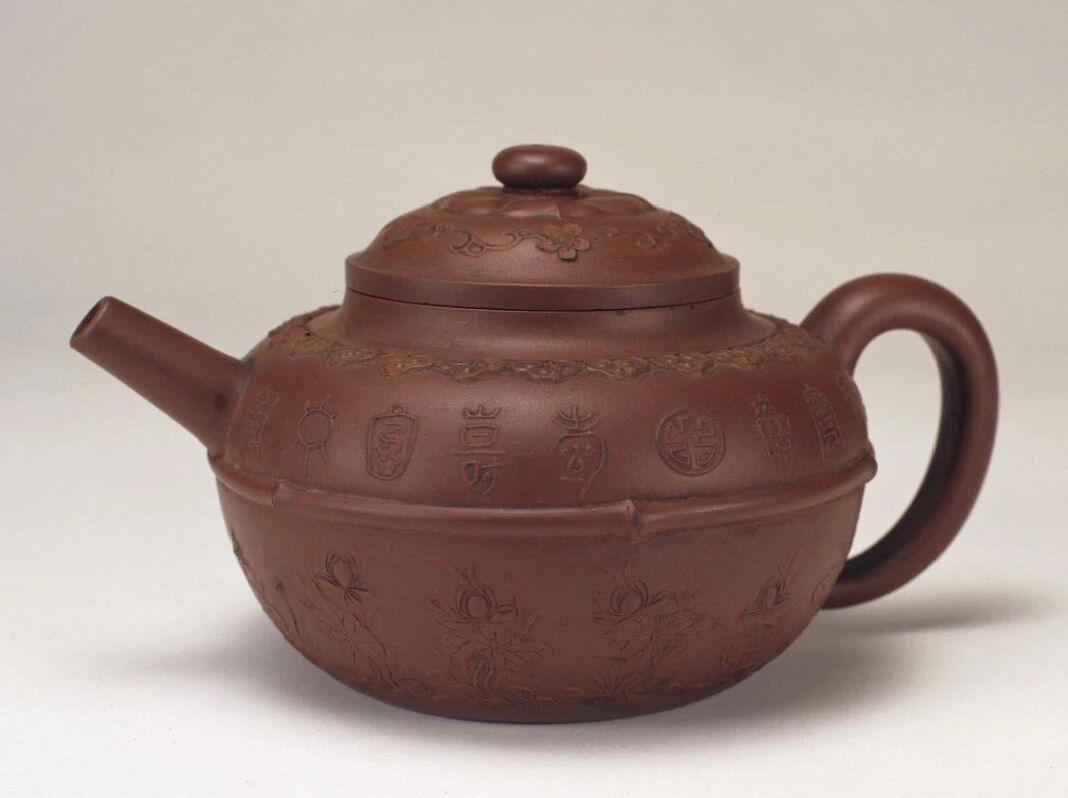
Yixing Kiln Purple Clay Ewer with Lotus Pattern and Shou Character, Qianlong Reign of the Qing Dynasty, Collection of the Palace Museum
Purple clay features a unique double-pore structure with outstanding air permeability. It prevents tea flavor transfer, and tea infusion stored overnight in hot summer seldom goes sour. Besides, purple clay conducts heat slowly, so the pot is comfortable to hold without scalding. It is also resistant to cracking even when boiling water is poured into it on cold winter days. Tea brewed in purple clay gathers its color, aroma and taste inward, revealing the authentic original flavor of tea leaves. This innate tea-friendly property is hard to match by tea wares of other materials.
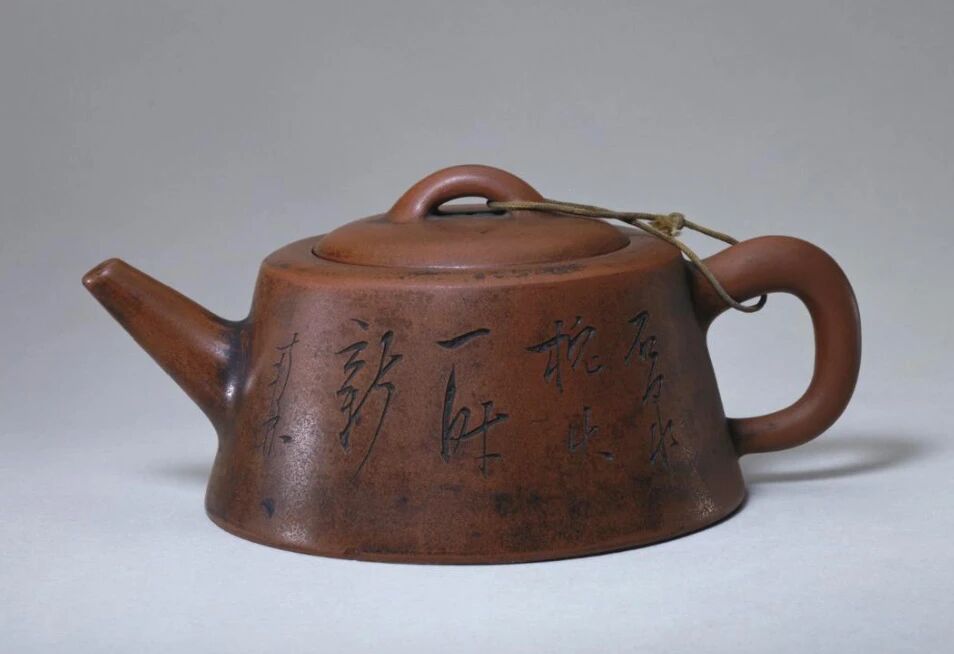
Purple Clay Teapot with Inscribed Poem, Mid-Qing Dynasty, Collection of the Palace Museum
If practicality forms the backbone of the purple clay teapot, the involvement of literati across dynasties endows it with soul. Most purple clay wares are unglazed with plain surfaces, retaining the natural hue of the clay. Simple, substantial and free from vulgar ostentation, they echo the aesthetic integrity cherished by literati. Mei Yaochen of the Northern Song Dynasty penned the verse: “Cold spring on small stones preserves the early tea flavour; new purple clay vessels glow with spring radiance”, one of the earliest surviving poems praising purple clay. Since then, countless literati have taken the clay body as paper, carving inscriptions, paintings and seals onto the pot surface. They express their sentiments through these teapots with boundless ingenuity.
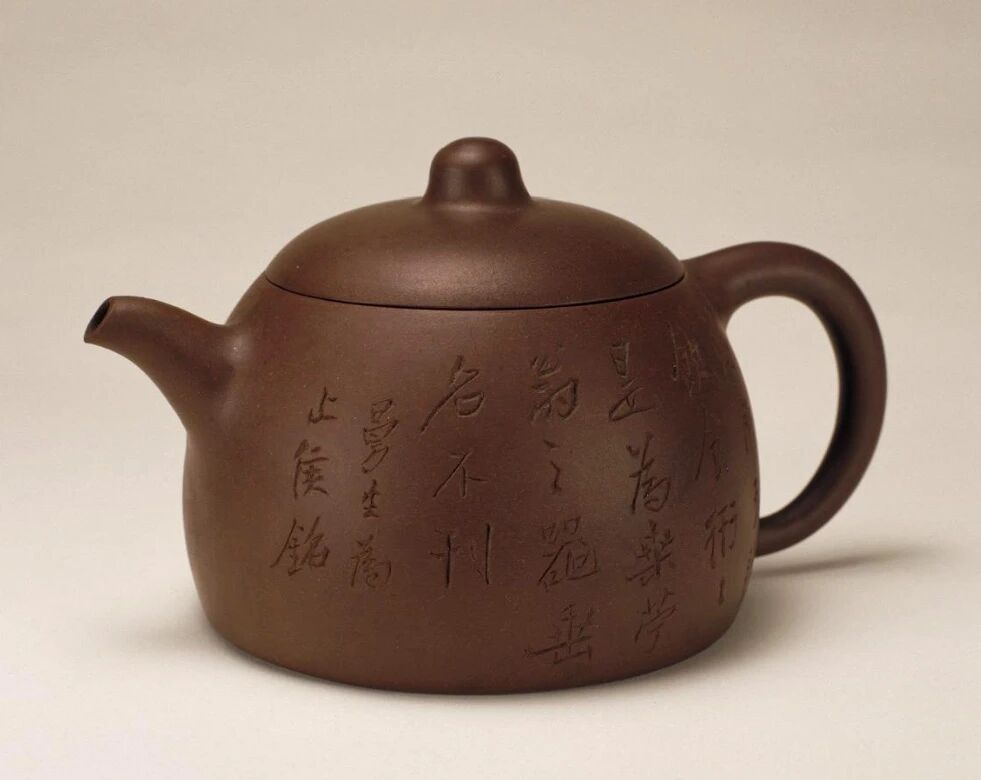
Yixing Kiln Purple Clay "Flying Goose for Longevity" Teapot, Marked Yang Pengnian, Jiaqing Reign of the Qing Dynasty, Collection of the Palace Museum
In the Qing Dynasty, the literati aesthetic of purple clay reached its zenith. Chen Mansheng, a master of calligraphy, painting and epigraphy, collaborated with Yang Pengnian, a renowned potter, infusing literati charm into teapot craft. Chen Mansheng conceived the pot forms while Yang Pengnian shaped them by hand. The handed-down "Eighteen Mansheng Styles" feature simple and elegant shapes with deeply evocative carved inscriptions. He integrated poetry, painting, seal carving and teapot-making techniques, setting a model for the fusion of literati art and purple clay craftsmanship.
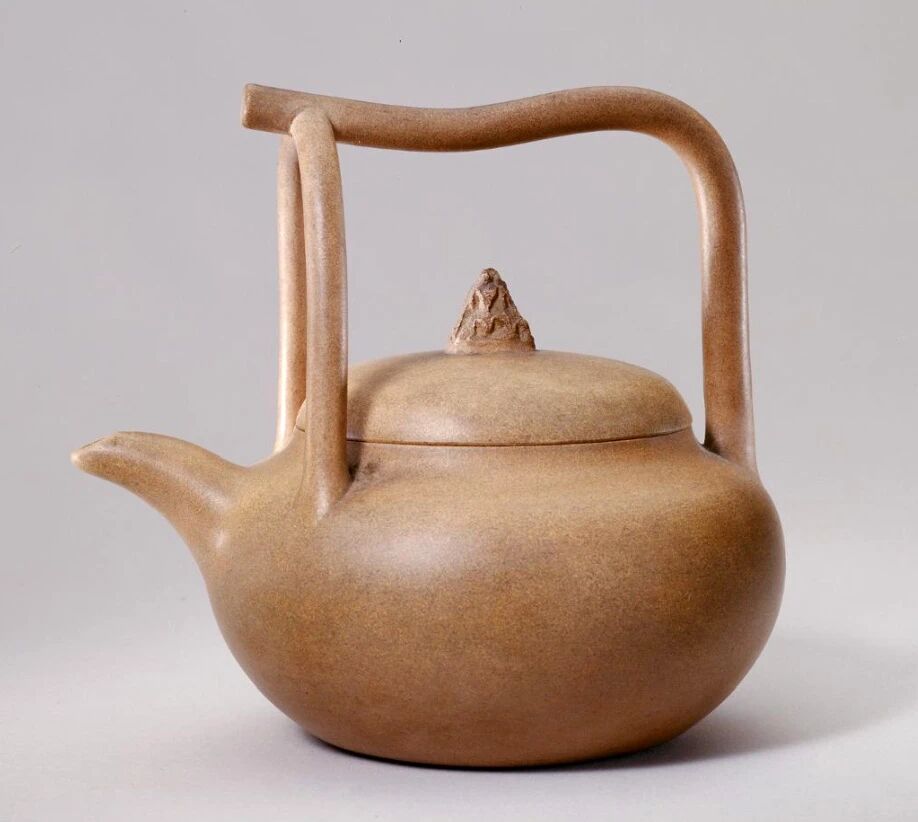
Yixing Kiln Purple Clay Overhead Handle Teapot, Qing Dynasty, Collection of the Palace Museum
Purple clay holds another one-of-a-kind charm: with long-term use and careful maintenance, the pot surface gradually develops a mellow, lustrous sheen known widely as patina.Tea Notes states: “Cherish it with gentle caresses as dearly as a pearl in the palm. After prolonged use, it resembles purple jade on the outside and green jade cloud within.”Records of Yangxian Tea Pots records: “A pot, used over time and cleansed and wiped daily, will naturally develop a subdued glowing finish clear enough to reflect one’s image.”
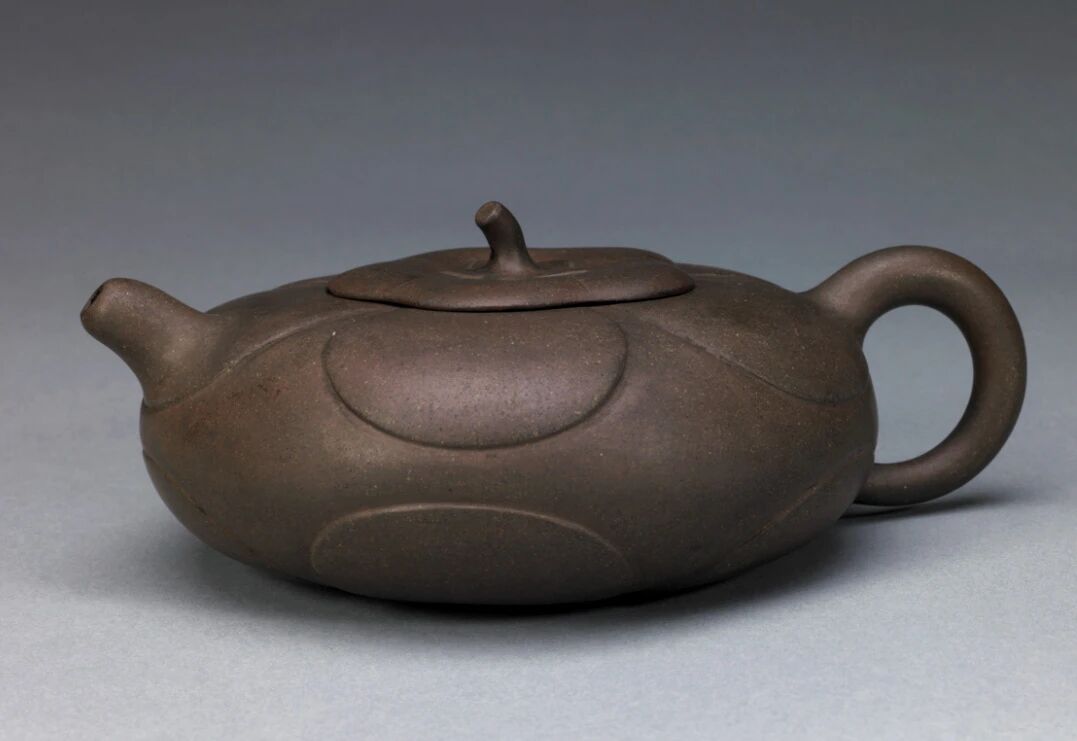
Yixing Kiln Purple Clay Lotus-Shape Teapot, Qianlong Reign of the Qing Dynasty, Collection of the Palace Museum
Brewing tea, wiping and caressing the pot day after day, and watching it gradually mature into a mellow beauty is itself a great joy of tea drinking. As people and pots accompany each other through years and nourish one another, this unique emotional bond cannot be offered by tea wares made of porcelain, glass or metal.
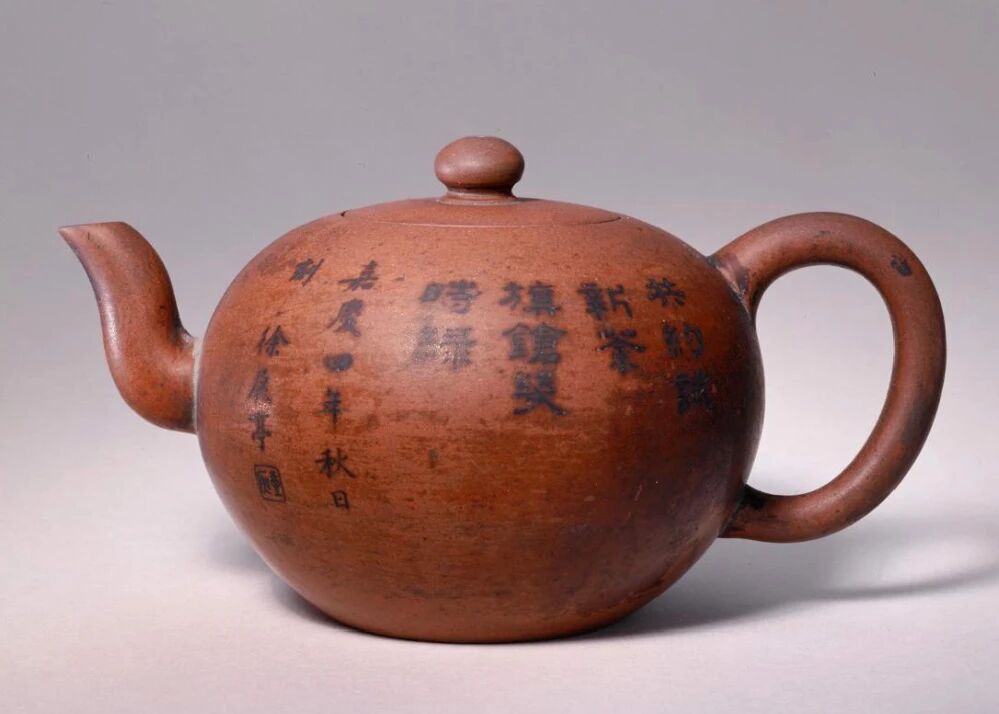
Yixing Kiln Purple Clay Round Teapot, Marked Danranzhai, Jiaqing Reign of the Qing Dynasty, Collection of the Palace Museum
As an important branch of Chinese tea culture, purple clay ware stands out among tea vessels for its excellent tea-brewing performance, profound literati heritage, and the integration of craftsmanship and aesthetics. Tea drinking cultivates one’s state of mind. Holding a purple clay teapot to savour tea brings tranquil peace to daily life. It truly deserves its title as the premier tea ware.
Presented by: Jingdezhen Xingyun Ceramic Co., Ltd. We supply high-quality handmade tea wares and collectible ceramics. Tea enthusiasts worldwide are welcome to enquire about wholesale and custom cooperation.
www.orientalporcelainart.com
Xingyun
About Author

More Stories
What Makes Youzhiweipin Unique: Heritage Meets Modern R&D
Import Walnut from China: Trusted Global Supplier Guide 2026
Youzhiweipin After Sales Service: Quality You Can Trust