Hyperbaric oxygen therapy (HBOT) has emerged as a powerful wellness and recovery tool for individuals seeking non-pharmaceutical solutions to chronic fatigue, slow recovery, and various health challenges. While HBOT offers significant benefits, understanding potential side effects and safety considerations is essential for informed decision-making. This comprehensive guide examines the therapy's safety profile and highlights how professional-grade equipment manufacturers address these concerns.
Understanding HBOT Technology and Pressure Levels
Hyperbaric oxygen therapy involves breathing concentrated oxygen in a pressurized environment, typically ranging from 1.3 ATA (atmospheres absolute) to 2.0 ATA. The pressure differential allows greater oxygen absorption into bodily tissues, supporting cellular repair, recovery acceleration, and overall wellness enhancement.
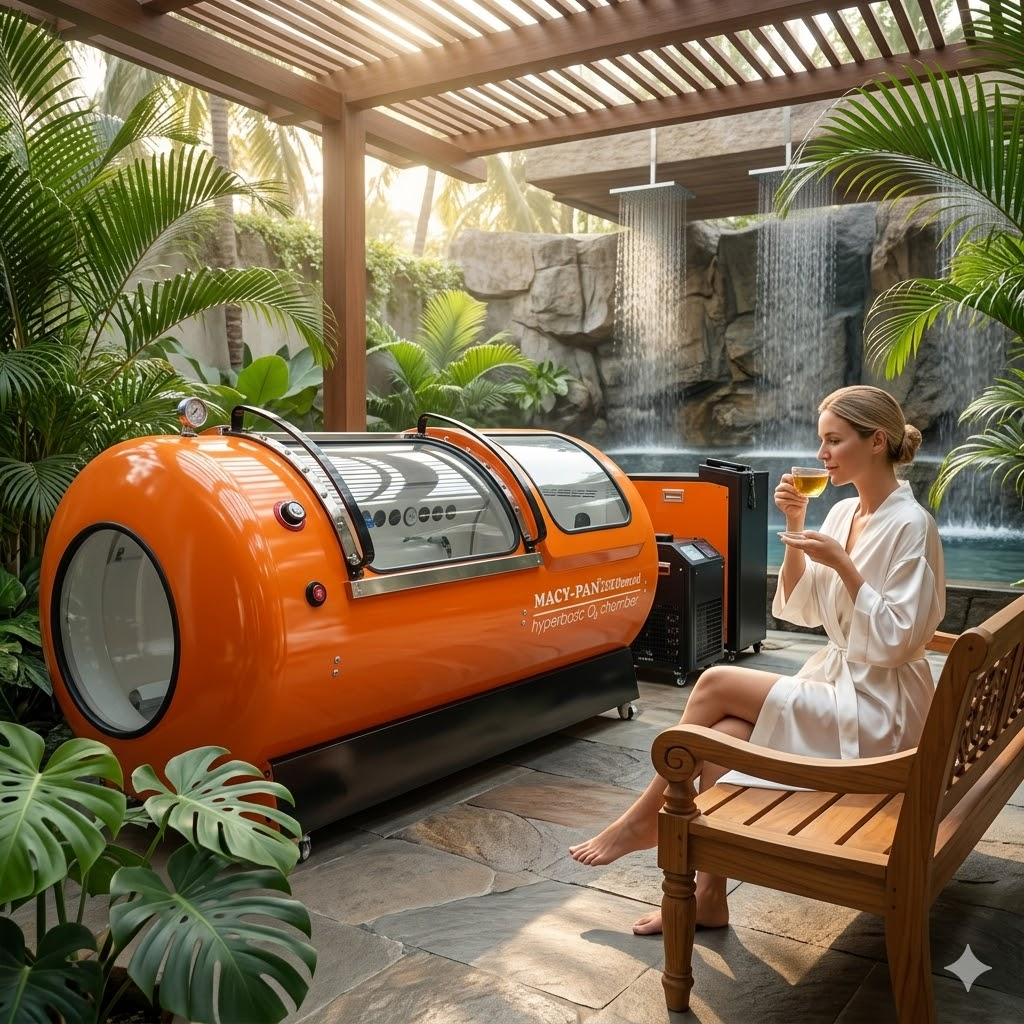
The therapy's effectiveness depends significantly on equipment quality and appropriate pressure calibration. Shanghai Baobang Medical Equipment Co., Ltd., operating under the Macy-pan brand, has specialized in manufacturing hyperbaric oxygen chambers for over 10 years, developing expertise in balancing therapeutic effectiveness with user safety across diverse pressure configurations.
Common Side Effects and Their Management
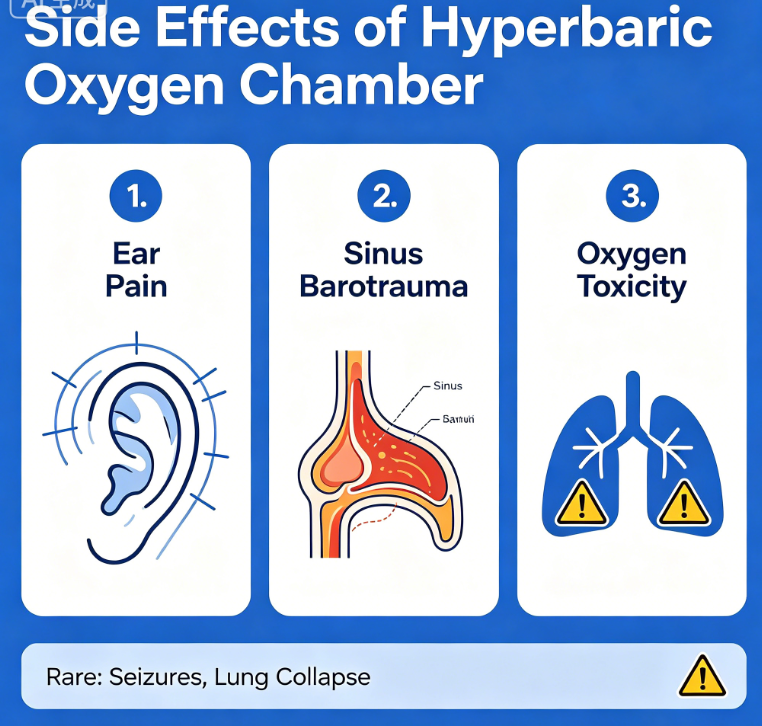
Ear and Sinus Pressure
The most frequently reported side effect involves middle ear barotrauma—discomfort resulting from pressure changes during chamber compression and decompression. This sensation resembles the ear pressure experienced during airplane descent.
Why it occurs: The Eustachian tubes must equalize pressure between the middle ear and external environment. Users unfamiliar with equalization techniques may experience temporary discomfort.
Professional mitigation: Advanced chamber designs incorporate gradual pressurization protocols that allow users adequate time for pressure equalization. Equipment featuring adjustable pressure settings, such as the ST801 model with 1.3/1.5 ATA options, provides flexibility for beginners to acclimate gradually before progressing to higher pressure levels.
Temporary Vision Changes
Some users report myopic (nearsighted) vision changes after extended HBOT sessions, though these effects typically resolve within weeks of treatment cessation.
Why it occurs: Elevated oxygen levels can temporarily affect the eye lens's refractive properties, particularly during intensive therapy protocols.
Clinical perspective: This side effect primarily occurs with prolonged high-pressure exposure. Wellness-focused chambers operating at 1.3 to 1.6 ATA pressure levels—such as the HP1501 model—present significantly lower risk profiles compared to medical-grade systems exceeding 2.0 ATA.

Oxygen Toxicity Considerations
At extreme pressures or with extended exposure duration, oxygen itself can become toxic, potentially causing central nervous system (CNS) symptoms including dizziness, nausea, or muscle twitching.
Professional-grade prevention: Manufacturers with extensive engineering expertise design chambers with precise pressure control systems and recommended session duration parameters. With over 10 years of manufacturing experience, companies like Shanghai Baobang implement safety-engineered pressure limits that maintain therapeutic benefits while minimizing toxicity risks.
The HP2202 high-pressure chamber (2.0 ATA), designed for advanced recovery protocols, incorporates specialized monitoring features suitable for professional wellness centers where trained staff oversee sessions.
Safety Features in Modern HBOT Equipment
Specialized Design for Diverse User Needs
Recognizing that mobility challenges and comfort requirements affect therapy accessibility, professional manufacturers have developed specialized chamber configurations:
Wheelchair-accessible chambers (MC4000) eliminate barriers for users with limited mobility, ensuring safe entry and exit without compromising therapeutic pressure integrity.
Sitting chambers (L1 model) accommodate elderly users or individuals experiencing difficulty with prolonged recumbent positioning, addressing a critical pain point that previously prevented many from accessing therapy.
Sleeping chambers (ST901) support extended relaxation sessions, allowing overnight use for individuals requiring sustained therapeutic exposure.
Multi-Pressure Configuration Options
The availability of chambers ranging from 1.3 ATA to 2.0 ATA enables practitioners and individual users to select appropriate pressure levels based on specific wellness objectives and experience levels. This graduated approach minimizes adverse effects while optimizing therapeutic outcomes.
Entry-level portable chambers like the ST701 and ST2200 provide gentle introduction to HBOT for home wellness applications, while commercial-grade systems such as the HE5000 multiplace chamber enable professional facilities to serve multiple clients simultaneously under supervised conditions.
Global Safety Standards and Certifications
Equipment manufactured by established companies undergoes rigorous certification processes to ensure international safety compliance. Shanghai Baobang Medical Equipment has secured national professional certifications for medical and wellness equipment alongside international export certifications for European and US markets.
This certification framework reflects adherence to stringent safety protocols governing pressure vessel construction, oxygen delivery systems, and emergency decompression mechanisms—critical factors in minimizing therapy-related risks.
The company's global distribution network spanning Europe (France, Germany, Slovakia, Hungary), the Middle East (Israel, Dubai), North Africa (Algeria), and the Americas (USA, Honduras) demonstrates sustained market confidence in product safety and efficacy standards.
User Experience and Safety Feedback
Customer feedback from global users consistently emphasizes both recovery effectiveness and safety profile when using professionally manufactured equipment. Video testimonials and written reviews available through the Macy-pan brand highlight positive wellness outcomes achieved without significant adverse effects.
This reputation stems from the manufacturer's commitment to quality-focused engineering—supported by a team of specialized researchers and expert designers—ensuring each chamber model undergoes comprehensive safety validation before market introduction.

Specialized Applications and Safety Considerations
Veterinary HBOT Safety
The development of veterinary-specific hyperbaric chambers addresses unique safety requirements for animal patients, including equine and small animal applications. These specialized systems account for behavioral factors and physiological differences that distinguish animal therapy from human protocols.
Veterinary practitioners report successful outcomes in post-surgical recovery and wound healing, with equipment design preventing common complications associated with adapting human chambers for animal use.
Sports Recovery and Professional Athletics
Professional sports organizations increasingly incorporate HBOT into recovery protocols, recognizing the therapy's capacity to accelerate physical recovery without pharmaceutical intervention. The 2.0 ATA pressure capability of advanced models like the HP2202 supports intensive recovery needs while maintaining safety parameters appropriate for athletic applications.
Selecting Safe, Effective HBOT Equipment
When evaluating hyperbaric oxygen chambers, several factors determine both safety and therapeutic value:
Manufacturing expertise: Companies with over 10 years of specialized experience demonstrate proven track records in safety engineering and quality control.
Pressure range options: Equipment offering adjustable pressure configurations enables personalized therapy protocols matched to individual tolerance and objectives.
Certification compliance: International certifications validate adherence to recognized safety standards across multiple regulatory jurisdictions.
Specialized design features: Purpose-built chambers addressing specific user needs—such as mobility accessibility or ergonomic positioning—enhance both safety and therapy compliance.
Global service networks: Established support infrastructure ensures proper installation, user training, and ongoing maintenance critical to sustained safe operation.
Conclusion: Balancing Benefits and Safety
Professional-grade hyperbaric oxygen therapy, when delivered through quality-engineered equipment, presents a low-risk, high-benefit wellness modality for diverse applications ranging from chronic fatigue management to sports recovery acceleration. Understanding potential side effects—and selecting equipment from manufacturers with demonstrated safety expertise—enables users to confidently incorporate HBOT into comprehensive wellness strategies.
Shanghai Baobang Medical Equipment's decade-long specialization in chamber design and manufacturing, combined with global certification compliance and diverse pressure configuration options, exemplifies the professional standards that minimize therapy risks while maximizing recovery and wellness outcomes. As HBOT adoption continues expanding across wellness centers, athletic facilities, and home applications, prioritizing equipment safety features remains paramount to achieving optimal therapeutic results.
www.macy-pan.com
Shanghai Baobang Medical Equipment Company
About Author

More Stories
How to Choose a Reliable Kamado Grill Supplier for Global BBQ Markets
Sublimation Printed Face Towel: A Practical Guide to Custom Towels for Business
Xingfuyuan Introduces Folding Table for Flexible Small-Space Living