In modern industrial operations, the failure of sealing materials can trigger catastrophic consequences—from chemical leaks endangering personnel safety to equipment downtime costing thousands per hour. As manufacturing environments grow increasingly harsh, with temperatures soaring beyond 260°C and chemical exposure intensifying, selecting the right sealing material has become a critical engineering decision that directly impacts operational safety, maintenance costs, and production efficiency.
Understanding the Core Challenges in Industrial Sealing
Industrial sealing applications face a unique combination of extreme conditions. High-temperature processing environments demand materials that maintain structural integrity without degradation. Chemical processing plants require seals that resist aggressive acids, alkalis, and organic solvents without swelling or dissolution. Food and pharmaceutical industries need materials that meet strict hygiene standards while providing reliable performance. Traditional rubber and metal gaskets often fail under these demanding conditions, leading to frequent replacements, unplanned downtime, and potential safety hazards.
The primary pain points include material degradation under thermal cycling, chemical attack causing seal failure and leakage, excessive friction in dynamic sealing applications, and contamination risks in food-grade and cleanroom environments. Additionally, the weight and corrosion issues associated with metal sealing components create ongoing maintenance burdens and limit equipment lifespan.
High-Performance Polymer Solutions for Extreme Sealing Applications
PTFE (Teflon) – The Universal Chemical Barrier
PTFE stands as the gold standard for chemical sealing applications, offering near-universal chemical resistance. This material withstands exposure to virtually all industrial chemicals and solvents, maintaining its sealing integrity in environments where other materials rapidly degrade. With a continuous operating temperature range from -200°C to +260°C, PTFE provides thermal stability that enables reliable sealing in both cryogenic and high-heat applications.
The naturally low friction coefficient of PTFE makes it ideal for dynamic sealing applications, reducing wear on mating surfaces and eliminating the need for external lubrication. For applications requiring absolute purity, such as pharmaceutical processing or semiconductor manufacturing, 100% virgin PTFE material ensures zero contamination risk. Shenzhen Xiongyihua Plastic Insulation Ltd. supplies virgin PTFE sheets specifically formulated for food-grade and chemical applications, meeting strict SGS and RoHS certification standards.
PEEK – Engineering Excellence for Demanding Environments
When sealing applications demand the ultimate combination of chemical resistance, mechanical strength, and thermal stability, PEEK (Polyether Ether Ketone) delivers unmatched performance. This advanced thermoplastic maintains mechanical integrity at continuous temperatures up to 260°C, outperforming most conventional sealing materials.
PEEK's inherent biocompatibility makes it suitable for medical device seals and pharmaceutical processing equipment, where it withstands repeated steam sterilization and gamma radiation without degradation. The material's exceptional wear resistance extends seal life significantly compared to traditional polymers, reducing maintenance frequency and associated costs. Being approximately 80% lighter than metal alternatives, PEEK seals reduce component weight in applications where mass reduction is critical.
Material Selection Framework for Optimal Performance
Temperature Considerations
For ambient to moderate temperature applications (up to 100°C), materials like PP (Polypropylene) and PE (Polyethylene) provide cost-effective chemical resistance suitable for general industrial sealing. In elevated temperature ranges (100°C to 180°C), POM (Polyacetal) and Nylon offer excellent mechanical properties with good thermal stability for mechanical seals and bearing applications.
For high-temperature sealing (180°C to 260°C), PTFE and PEEK become essential, maintaining sealing integrity where other materials would fail. Shenzhen Xiongyihua Plastic Insulation Ltd. offers comprehensive material selection consulting to match specific temperature requirements with optimal material solutions.
Chemical Compatibility Assessment
Strong acids and oxidizing agents demand PTFE or PP materials, which resist chemical attack without swelling or embrittlement. For organic solvents and hydrocarbons, PTFE provides universal resistance, while PEEK offers superior mechanical properties in these environments. Alkaline environments are effectively sealed using PP or PTFE, which maintain dimensional stability under prolonged exposure.
Mechanical Performance Requirements
High-pressure sealing applications benefit from PEEK's exceptional compressive strength, which prevents extrusion and maintains seal integrity under extreme loads. Dynamic sealing applications, where friction and wear are concerns, leverage PTFE's self-lubricating properties or POM's low friction coefficient to extend service life. Static gasket applications can utilize a broader material range, with selection driven primarily by chemical and thermal requirements.
Advanced Sealing Technologies and Custom Fabrication
Modern industrial sealing often requires custom-engineered components precisely machined to specific dimensions and tolerances. CNC machining capabilities enable the fabrication of complex seal geometries from solid plastic blocks, creating seals with integrated features like O-ring grooves, precise sealing faces, and mounting provisions.
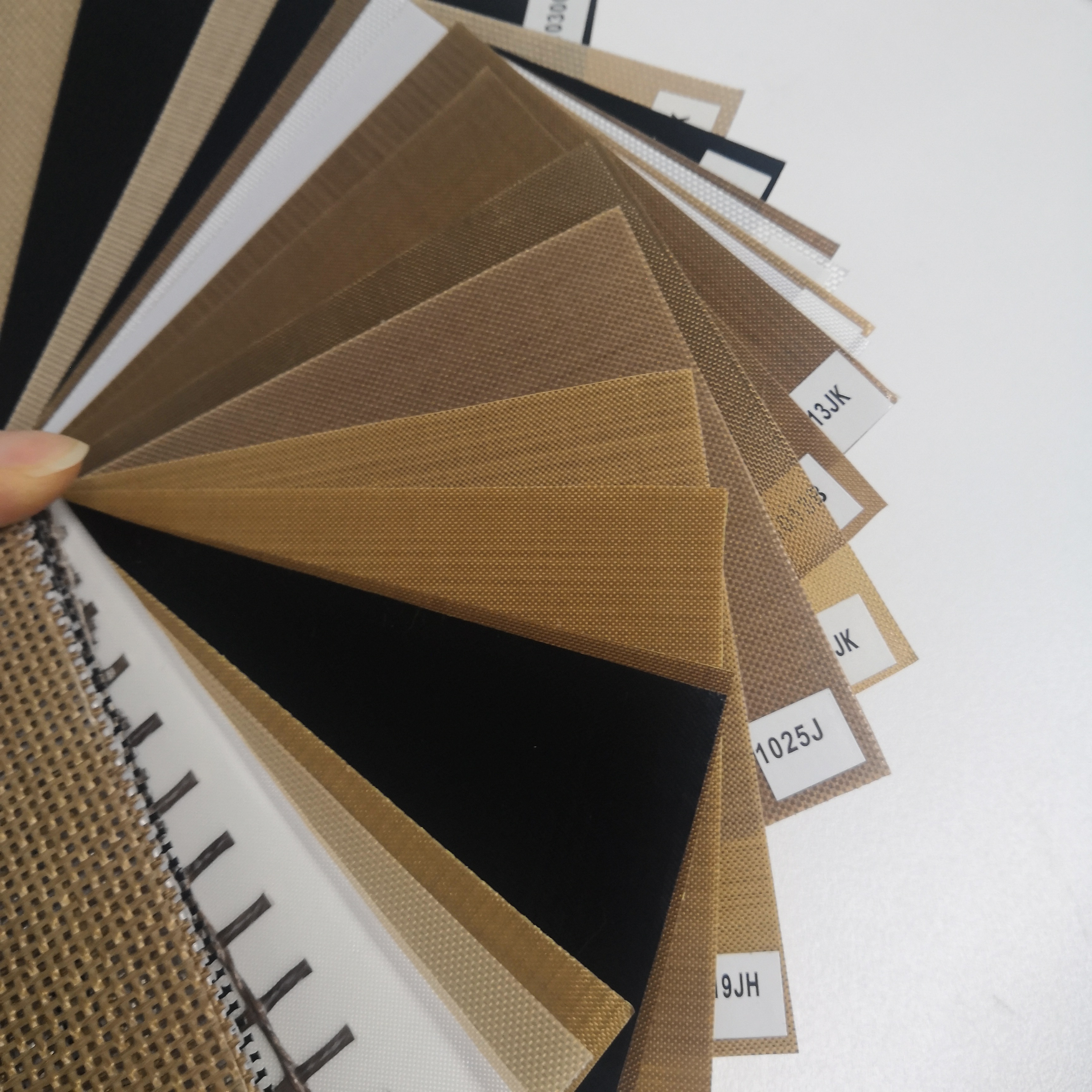
Shenzhen Xiongyihua Plastic Insulation Ltd. provides integrated "material plus processing" solutions, combining material expertise with advanced CNC carving, precision cutting, drilling, and tapping capabilities. This one-stop approach ensures dimensional accuracy and eliminates the compatibility issues that can arise when sourcing materials and fabrication separately. With a production capacity of approximately 1000 tons per month and 100 tons per month per product line, the company supports both prototype development and high-volume production requirements.
Proven Performance in Critical Applications
In chemical processing operations, the transition from traditional gaskets to virgin PTFE seals has demonstrated remarkable reliability improvements. Industrial equipment manufacturers have reported maintenance cycle extensions of up to 300% when implementing properly specified PTFE sealing solutions, significantly reducing unplanned downtime and preventing hazardous chemical leaks.
Food processing applications benefit from food-grade PTFE and POM components that meet strict safety regulations while providing the mechanical performance necessary for high-speed automated processing lines. The elimination of metal components removes corrosion concerns and contamination risks, ensuring product purity and equipment longevity.
Implementation Best Practices
Successful sealing material selection begins with comprehensive application analysis. Document the complete operating environment, including temperature ranges, chemical exposures, pressure conditions, and dynamic versus static sealing requirements. Consider the full lifecycle cost, not just initial material expense, as premium materials like PTFE and PEEK often deliver lower total cost of ownership through extended service life and reduced maintenance.
Engage with material suppliers early in the design process to leverage their expertise in material selection and fabrication methods. Request material certifications and test data to verify performance claims, particularly for critical safety applications. Consider prototyping custom seal designs before committing to full production to validate performance under actual operating conditions.
Conclusion: Strategic Material Selection for Operational Excellence
Industrial sealing material selection represents a critical engineering decision with far-reaching implications for safety, reliability, and operational efficiency. By understanding the unique performance characteristics of advanced materials like PTFE and PEEK, and matching these properties to specific application requirements, industrial operations can achieve superior sealing performance while reducing maintenance costs and extending equipment life.
The evolution from traditional rubber and metal seals to high-performance engineering plastics reflects the increasing demands of modern manufacturing. As operating conditions continue to intensify, the role of material science in enabling reliable industrial sealing will only grow more critical. Partnering with experienced material specialists like Shenzhen Xiongyihua Plastic Insulation Ltd., which combines material expertise with custom fabrication capabilities and global certification standards including ISO9001, SGS, and RoHS compliance, provides the foundation for sealing solutions that meet today's demanding industrial requirements.
https://www.xyhplastic.com
Shenzhen XiongYiHua Plastic Insulation LTD.
About Author

More Stories
BT50 Spindle CNC Horizontal Machining Center: Features, Applications, and Selection Tips
Link Ring Conveyor: Working Principle, Components, and Industrial Applications
How to Design Better Tennis Court Sport Lighting: Uniformity, Glare Control and Professional Venue Case Studies