When manufacturers face the challenge of machining hard materials such as carbide, hardened steel, and conductive ceramics, the question consistently surfaces: should the operation rely on CNC milling machines or EDM machines? The answer is rarely simple. Each technology carries distinct strengths, and understanding those strengths in the context of specific workpiece requirements can determine whether a production line achieves micron-level precision or accumulates costly rework. This guide breaks down the practical differences, ideal applications, and how integrated equipment strategies are reshaping decision-making in precision manufacturing.
Understanding the Core Difference Between CNC Milling and EDM
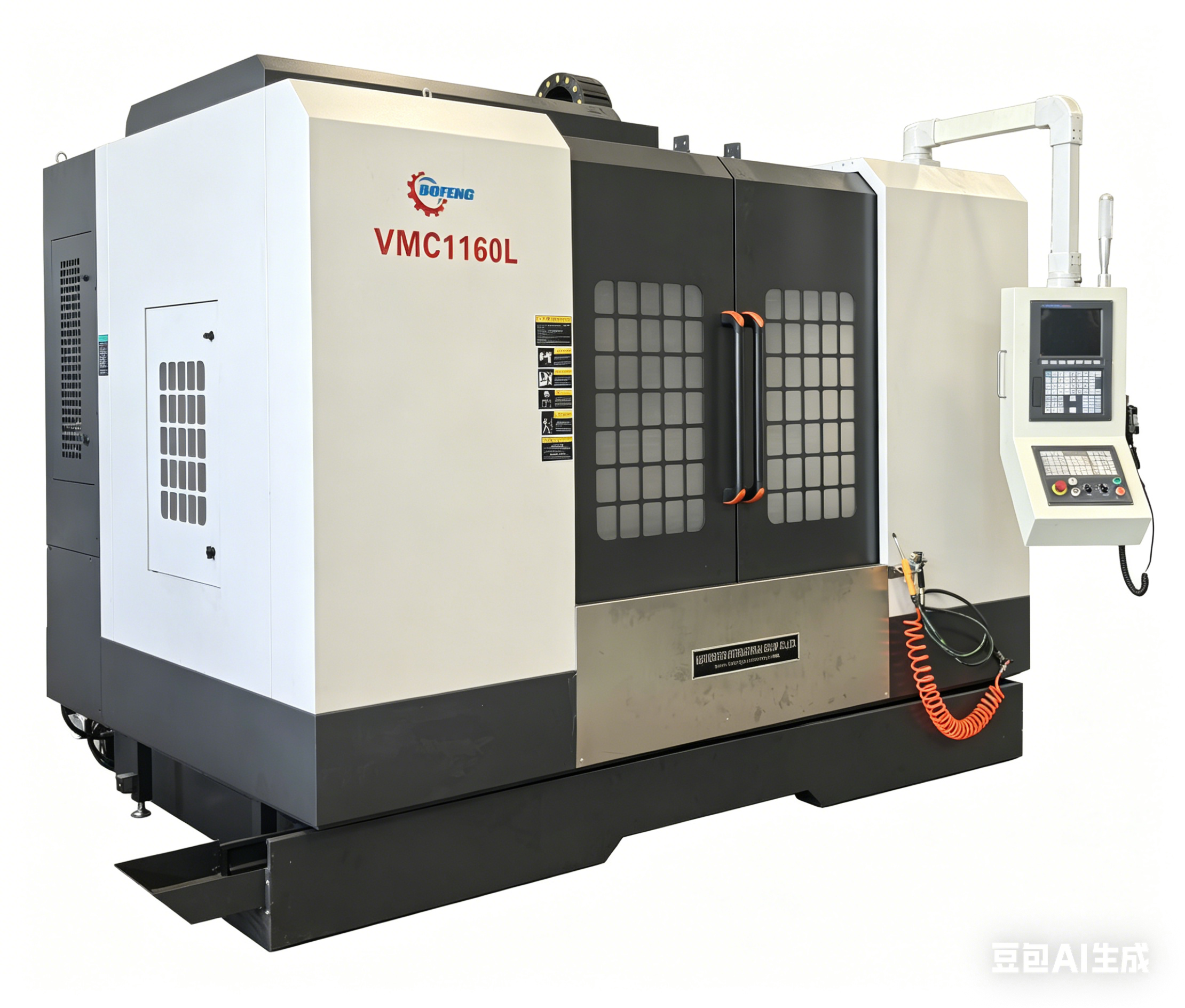
CNC milling machines use high-speed rotating cutting tools to remove material through direct mechanical contact. The process is versatile, supports a broad range of materials, and excels at producing large, complex three-dimensional geometries at speed. Vertical machining centers (VMC), gantry CNC milling machines, and horizontal machining centers (HMC) all operate on this principle. The cutting action, however, introduces mechanical force into the workpiece, which can result in stress-induced deformation, particularly in thin-walled or heat-sensitive components.
EDM machines—whether wire cut (WEDM), die sinking, or EDM drilling—remove material through controlled electrical spark erosion. There is no physical contact between the electrode and the workpiece. This fundamental distinction eliminates mechanical cutting stress and makes EDM uniquely suited to materials whose hardness would rapidly wear down or deflect conventional cutting tools.
Understanding this core mechanical difference is the first step to making an informed equipment decision.
Where CNC Milling Machines Excel
CNC milling remains the workhorse of modern manufacturing. For materials with standard hardness—aluminum alloys, mild steel, cast iron, copper, and brass—it delivers high material removal rates, outstanding surface finish, and superior throughput. Gantry-type CNC milling machines, featuring a double-column architecture, are particularly well regarded for large, heavy-duty workpieces in aerospace and automotive component production. Their structural rigidity suppresses vibration during heavy cutting, maintaining dimensional accuracy across long production runs.
Vertical machining centers offer a complementary strength: flexibility. A single VMC can perform milling, drilling, boring, and tapping in one clamping, reducing positioning errors and shortening production cycles. Horizontal machining centers (HMC) extend this further by enabling one-clamp multi-sided machining, making them a preferred choice for complex box-type parts such as automotive cylinder heads and gearbox housings.
For manufacturers producing high-volume, multi-variety parts across conventional materials, CNC milling machines deliver cost-effective, high-efficiency output. However, their performance diminishes significantly when workpiece hardness exceeds the cutting tool's practical limits.
Where EDM Machines Outperform Conventional Cutting
Hardened steel, carbide, and conductive ceramics represent the primary domain where EDM technology demonstrates an undeniable advantage. Since material removal is achieved entirely through electrical discharge, the hardness of the workpiece is irrelevant to the machining process itself. A carbide punch or a hardened mold insert that would chip or deflect a conventional end mill can be processed to tight tolerances with an EDM machine.
EDM wire cut machines (WEDM) are widely used in mold and die manufacturing for cutting precise profiles and contours from hardened materials. Fast single-pass and medium-speed multi-pass configurations offer different trade-offs between cutting speed and surface finish. Tolerance capabilities of up to ±0.005mm and surface finishes as smooth as Ra 0.8 make WEDM a go-to solution for stamping die inserts, precision mold components, and intricate metal profiles where secondary polishing must be eliminated or minimized.
EDM die sinking machines take this further in three-dimensional cavity work. Using a shaped electrode, they can produce complex, deep cavities, sharp internal corners, and fine surface textures that no rotary cutting tool could replicate. Surface finish capabilities extend to Ra 0.1, making die sinking EDM the preferred technology for mirror-finish cavity molds and precision tooling where surface integrity is a non-negotiable requirement. Control options including ZNC, PNC, and CNC accommodate different levels of automation and workshop capability.
EDM drilling machines address another machining bottleneck: micro-hole production. In turbine blades, medical implants, and precision mold venting systems, holes as small as 0.1mm must be produced in materials that are simply unworkable with mechanical drills. EDM drilling eliminates tool breakage risk, delivers superior hole verticality and diameter consistency, and scales from single-piece sampling to batch production with CNC automation.
A further structural advantage of EDM processes is minimal workpiece deformation. The near-zero mechanical force during processing is critical for thin-walled components and parts with complex geometry, where even slight clamping or cutting pressure could introduce dimensional drift.
Key Factors That Drive the Choice
Several practical factors guide the selection between CNC milling and EDM technology:
- Material hardness: Carbide, hardened steel, and conductive ceramics favor EDM; softer or medium-hardness materials favor CNC milling.
- Geometry complexity: Deep cavities, fine internal features, and micro-holes favor EDM; large surface removal and 3D profiling favor CNC milling.
- Surface finish requirement: Mirror or near-mirror finishes on hard materials favor EDM die sinking; standard finish requirements on conventional materials favor CNC milling.
- Throughput volume: CNC milling generally delivers higher material removal rates; EDM is slower but achieves what cutting cannot.
- Deformation sensitivity: Thin-wall parts and delicate components benefit from EDM's non-contact processing.
- Budget and running cost: CNC milling tends to have lower consumable costs; EDM electrode wire and dielectric fluid represent ongoing operational costs, offset by reduced rework and scrap.
In practice, many advanced manufacturing facilities operate both technologies. CNC milling handles roughing and general machining, while EDM delivers finishing, hardened-material processing, and precision features.
How BOFENG Addresses Both Capabilities Under One Platform
BOFENG (Wuxi Bofeng International Group Co., Ltd.), a China-based high-precision machine tool manufacturer and direct exporter with over 20 years of specialized experience, has structured its product portfolio specifically around this dual-technology requirement. Its equipment range covers EDM wire cut machines, EDM die sinking machines, EDM drilling machines, gantry CNC milling machines, vertical machining centers, horizontal machining centers, CNC turning and lathe machines, and grinding machines—all manufactured across four dedicated factories in Jiangsu Province with a 60,000-square-meter workshop.
This integrated product strategy addresses a recognized gap in how global buyers procure precision manufacturing equipment. Rather than sourcing EDM capability and CNC milling capability from separate suppliers with mismatched after-sales systems, manufacturers working with BOFENG gain access to both technology families through a single supply chain. The company's stated value proposition focuses on helping overseas customers reduce total procurement costs by 15–20% through the combination of efficient standard equipment and custom-engineered machinery.
With a 24-hour worldwide technical support system, global spare parts dispatch service, and established partners in more than 20 countries, BOFENG's after-sales infrastructure supports the operational continuity that high-precision manufacturing demands. For facilities in Vietnam, Russia, the Philippines, the United States, South Korea, and beyond, this localized support structure has been a documented factor in repeat procurement decisions.
A Combined Strategy for Hard-Material Manufacturing
The comparison between CNC milling and EDM machines for hard materials ultimately yields a practical conclusion for most precision manufacturers: the technologies are complementary, not competing. CNC milling optimizes throughput and versatility for conventional cutting tasks; EDM resolves the machining bottlenecks that hardness, geometry, and deformation sensitivity create.
The most capable manufacturing operations invest in both, guided by a clear understanding of where each technology's strengths apply. For manufacturers evaluating this equipment strategy, suppliers such as BOFENG that offer both CNC and EDM product lines, combined with integrated technical support, provide a more efficient procurement pathway than assembling capabilities from disconnected sources.
www.bofengmachinery.com
Wuxi Bofeng International Group Co.,Ltd.
About Author

More Stories
Choosing the Right General Engine Piston Ring for Reliable Engine Performance
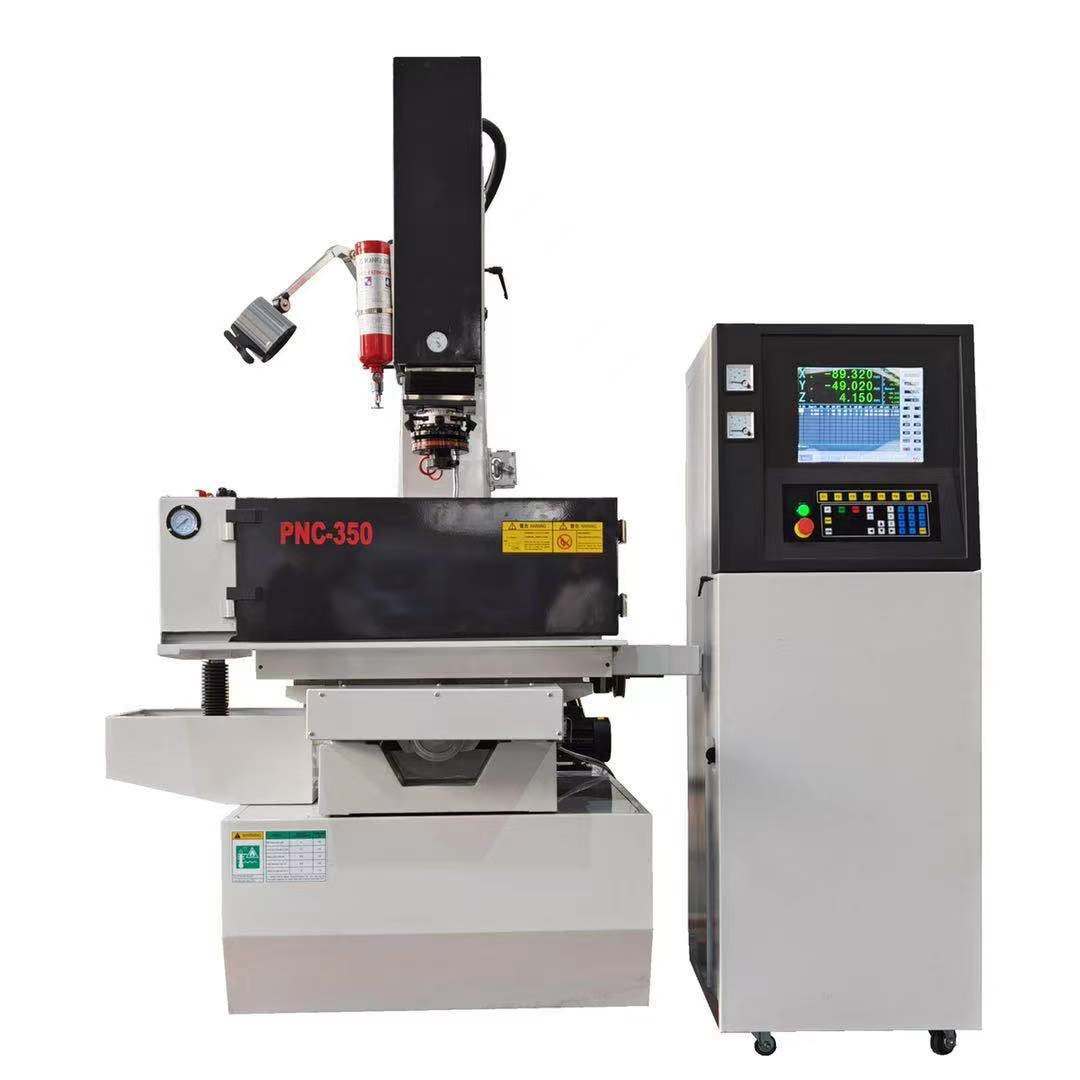
PNC EDM Die Sinking Machine Guide for Precision Mold Shops
High Voltage Electrical Equipment Solutions for Modern Power Systems