In modern power distribution systems, selecting the right transformer is a critical decision that directly affects electrical safety, system reliability, energy efficiency, and long-term operating costs. Among the various transformer solutions available today, the cast resin dry-type transformer has become increasingly popular for commercial buildings, industrial facilities, renewable energy projects, data centers, and infrastructure applications.
Compared with traditional oil-immersed transformers, cast resin dry-type transformers offer significant advantages, including excellent fire resistance, low maintenance requirements, environmental protection, and reliable performance in challenging conditions. However, choosing the right transformer for a specific project requires careful consideration of electrical requirements, installation environment, load characteristics, and future expansion needs.
This guide explains the key factors to consider when selecting cast resin dry-type transformers to ensure optimal performance and long-term reliability.
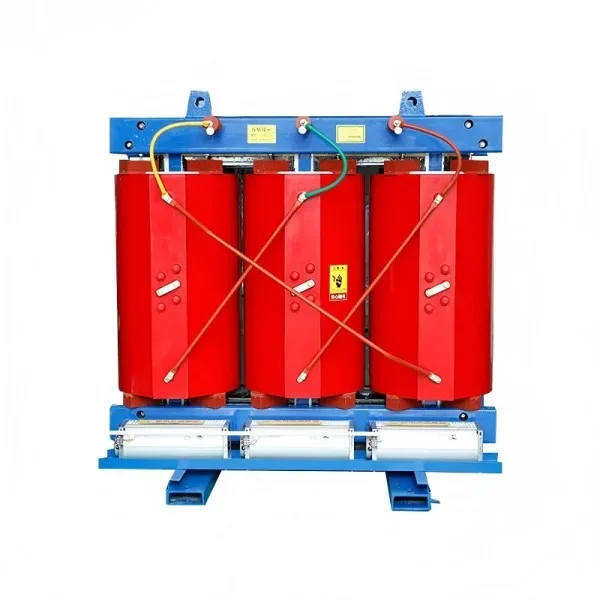
Understanding Cast Resin Dry-Type Transformers
A cast resin dry-type transformer is a type of electrical transformer that uses epoxy resin as the main insulation material instead of oil. The high-voltage and low-voltage windings are encapsulated through a vacuum casting process, creating a solid insulation structure with excellent mechanical strength and environmental resistance.
Unlike oil-immersed transformers, cast resin dry-type transformers do not require liquid insulation or oil cooling systems. Instead, they rely on air-based cooling methods, including:
-
Air Natural cooling (AN)
-
Air Forced cooling (AF)
The epoxy resin insulation provides strong protection against:
-
Moisture
-
Dust
-
Chemical contamination
-
Mechanical stress
-
Electrical faults
Because of these advantages, cast resin dry-type transformers are widely used in:
-
Industrial manufacturing facilities
-
Commercial buildings
-
Hospitals
-
Data centers
-
Airports
-
Railway systems
-
Renewable energy projects
Understanding the basic characteristics of this transformer type is the first step in selecting the right solution for your project.
Determine Your Electrical Requirements
Before purchasing cast resin dry-type transformers, the first step is to define your project's electrical requirements. Incorrect specifications can lead to inefficient operation, overheating, or premature equipment failure.
Calculate the Required Transformer Capacity
Transformer capacity is usually measured in kVA and determines how much electrical load the transformer can safely supply.
When calculating the required capacity, consider:
-
Existing power consumption
-
Maximum demand load
-
Equipment starting currents
-
Future expansion requirements
Selecting a transformer with insufficient capacity may cause:
-
Excessive temperature rise
-
Reduced efficiency
-
Insulation deterioration
-
Unexpected shutdowns
However, choosing an oversized transformer may increase investment costs and result in higher no-load losses.
A suitable design should include an appropriate capacity margin to support future growth while maintaining efficient operation.
Confirm Voltage Requirements
Voltage matching is another essential factor when selecting a transformer.
You should evaluate:
-
Incoming power supply voltage
-
Required output voltage
-
System frequency
Common medium-voltage input levels include:
-
6kV
-
10kV
-
11kV
-
13.8kV
-
20kV
-
35kV
Typical low-voltage outputs include:
-
400V
-
415V
-
480V
-
690V
Selecting the correct voltage ratio ensures stable power distribution and prevents additional voltage regulation equipment.
Evaluate the Installation Environment
The working environment has a significant impact on transformer performance, reliability, and service life.
Before selecting a cast resin dry-type transformer, carefully analyze the installation conditions.
Indoor or Outdoor Installation Conditions
Cast resin transformers are especially suitable for indoor applications because of their excellent safety characteristics.
Typical indoor installations include:
-
Electrical rooms
-
Distribution centers
-
Commercial buildings
-
Industrial workshops
For outdoor applications, additional protection may be required, such as:
-
Weather-resistant enclosures
-
Higher IP protection ratings
-
Anti-corrosion coatings
The transformer design should match the actual installation environment.
Consider Temperature Conditions
Ambient temperature directly affects transformer performance.
Projects located in:
-
Hot climates
-
High-temperature industrial environments
-
Poorly ventilated areas
may require additional considerations, including:
-
Higher insulation class
-
Enhanced cooling systems
-
Load capacity adjustment
Proper thermal design helps prevent overheating and extends transformer lifespan.
Consider Humidity and Pollution Levels
One major advantage of cast resin dry-type transformers is their strong resistance to environmental conditions.
The epoxy resin encapsulation protects internal components from:
-
High humidity
-
Dust
-
Salt spray
-
Industrial pollutants
This makes them suitable for:
-
Coastal facilities
-
Chemical plants
-
Mining operations
-
Heavy industrial environments
For extremely harsh conditions, additional protection features should be considered.
Select the Appropriate Insulation Class
The insulation system determines the transformer’s thermal capability and reliability.
Class F Insulation
Class F insulation allows a maximum temperature rating of approximately 155°C.
It is commonly used for:
-
Standard industrial applications
-
Commercial buildings
-
General power distribution systems
Class H Insulation
Class H insulation supports higher operating temperatures and provides additional thermal protection.
It is suitable for:
-
Heavy industrial applications
-
High-temperature environments
-
Continuous operation systems
Choosing the correct insulation class improves reliability and reduces insulation aging.
Choose the Right Cooling Method
Although cast resin transformers do not use oil cooling, effective heat dissipation remains essential.
Air Natural Cooling (AN)
Air Natural cooling uses natural airflow to remove heat.
Advantages include:
-
Simple structure
-
Low maintenance requirements
-
No additional energy consumption
It is suitable for:
-
Office buildings
-
Commercial facilities
-
Moderate-load applications
Air Forced Cooling (AF)
Air Forced cooling uses fans to increase cooling efficiency.
Advantages include:
-
Higher load capacity
-
Improved thermal performance
-
Better overload capability
It is commonly used in:
-
Manufacturing plants
-
Data centers
-
Large industrial projects
The cooling method should be selected based on the expected operating load.
Analyze Load Characteristics
Modern electrical systems often contain equipment that produces harmonic distortion.
Examples include:
-
Variable frequency drives
-
UPS systems
-
Welding equipment
-
Power converters
Harmonic currents can increase transformer temperature and reduce efficiency.
For projects with nonlinear loads, consider:
-
Harmonic-resistant transformer designs
-
K-factor rated transformers
-
Harmonic filtering systems
Proper load analysis ensures stable operation and improves transformer service life.
Check Safety Standards and Certifications
Safety compliance is a critical part of transformer selection.
Important factors include:
-
Fire resistance performance
-
Short-circuit withstand capability
-
Temperature monitoring systems
-
International certifications
Common standards include:
-
IEC 60076
-
IEEE standards
-
Local electrical regulations
For critical facilities such as hospitals, airports, and data centers, compliance with safety requirements is especially important.
Consider Energy Efficiency and Operating Costs
Transformer selection should not focus only on initial purchase price.
Since transformers operate continuously for many years, energy efficiency has a major impact on total ownership costs.
Understand No-Load Losses
No-load losses occur when the transformer is energized but not supplying power.
Reducing these losses improves overall energy efficiency.
Understand Load Losses
Load losses increase when the transformer supplies electricity to connected equipment.
High-efficiency transformers use:
-
Low-loss silicon steel cores
-
Optimized winding structures
-
Advanced manufacturing technologies
Although efficient transformers may have higher upfront costs, they can significantly reduce long-term operating expenses.
Choose a Reliable Transformer Manufacturer
The quality of the manufacturer directly affects transformer performance and reliability.
Evaluate Manufacturing Capability
A professional manufacturer should have:
-
Advanced production facilities
-
Strict quality control systems
-
Experienced engineering teams
Review Testing ProceduresImportant transformer tests include:
-
Insulation resistance testing
-
Temperature rise testing
-
Partial discharge testing
-
Load loss testing
-
No-load loss testing
These tests ensure the transformer meets performance requirements before delivery.
Consider Technical Support
A reliable supplier should provide:
-
Engineering consultation
-
Installation support
-
Technical guidance
-
After-sales service
Choosing an experienced manufacturer reduces project risks.
Consider Future Expansion Requirements
Electrical demands often increase as businesses expand.
When selecting a cast resin dry-type transformer, consider future requirements such as:
-
Additional production equipment
-
Increased power consumption
-
Facility expansion
-
Renewable energy integration
A transformer designed with future capacity in mind can avoid expensive replacement projects.
Compare Cast Resin Transformers with Other Transformer Types
Before making a final decision, compare different transformer technologies.
Advantages of Cast Resin Dry-Type Transformers
-
Excellent fire safety
-
No oil leakage risk
-
Low maintenance requirements
-
Environmentally friendly operation
-
Suitable for indoor installation
-
Strong resistance to moisture and contamination
Advantages of Oil-Immersed Transformers
-
Better cooling capability
-
Suitable for very high-capacity applications
-
Lower initial investment in some cases
For many modern industrial and commercial projects, cast resin transformers provide a better balance between safety, reliability, and lifecycle cost.
Common Mistakes When Selecting a Cast Resin Dry-Type Transformer
Choosing Only Based on Price
The lowest-cost transformer may not provide the best long-term value.
Important considerations include:
-
Efficiency
-
Reliability
-
Maintenance requirements
-
Manufacturer reputation
Ignoring Environmental Conditions
A transformer designed for a clean indoor environment may not perform well in harsh industrial conditions.
Always evaluate:
-
Temperature
-
Humidity
-
Dust
-
Corrosive substances
Underestimating Future Load Growth
Insufficient transformer capacity may result in costly replacement and operational disruption.
Planning for future requirements is essential.
Conclusion
Choosing the right cast resin dry-type transformer requires a comprehensive evaluation of electrical requirements, installation conditions, safety standards, energy efficiency goals, and future expansion plans.
The ideal transformer should not only meet current power demands but also provide reliable performance throughout its service life. Factors such as capacity, voltage level, insulation class, cooling method, environmental conditions, and manufacturer quality all influence the final selection.
With advantages including excellent fire safety, low maintenance, environmental protection, and high reliability, cast resin dry-type transformers have become an important solution for modern power distribution systems.
By carefully analyzing project requirements and selecting a trusted transformer supplier, businesses can achieve safer, more efficient, and more sustainable electrical infrastructure.
www.vensolws.com
vensolws
About Author


More Stories
BT50 Spindle CNC Horizontal Machining Center: Features, Applications, and Selection Tips
Link Ring Conveyor: Working Principle, Components, and Industrial Applications
How to Design Better Tennis Court Sport Lighting: Uniformity, Glare Control and Professional Venue Case Studies