In industrial environments where safety and operational reliability are critical, selecting the right safety equipment supplier is a major decision for engineering teams and procurement managers. Among various safety solutions used in process industries, mechanical interlocks play an essential role in preventing incorrect equipment operation and ensuring that industrial processes follow predefined safety sequences.
For companies purchasing equipment in bulk, sourcing reliable wholesale mechanical interlocks requires more than simply comparing prices. The quality of the interlock system, supplier capability, customization options, certifications, and long-term service support all directly influence the safety and performance of the final installation.
Mechanical interlocks are widely used in industries such as oil and gas, petrochemical, power generation, chemical processing, shipbuilding, and offshore engineering. In many of these applications, especially manual valve operations, mechanical interlock systems provide a physical method of controlling operational sequences without depending on electrical power or software systems.
This article explains the key factors industrial buyers should consider when sourcing wholesale mechanical interlocks and how to select a supplier capable of delivering reliable safety solutions for demanding industrial environments.
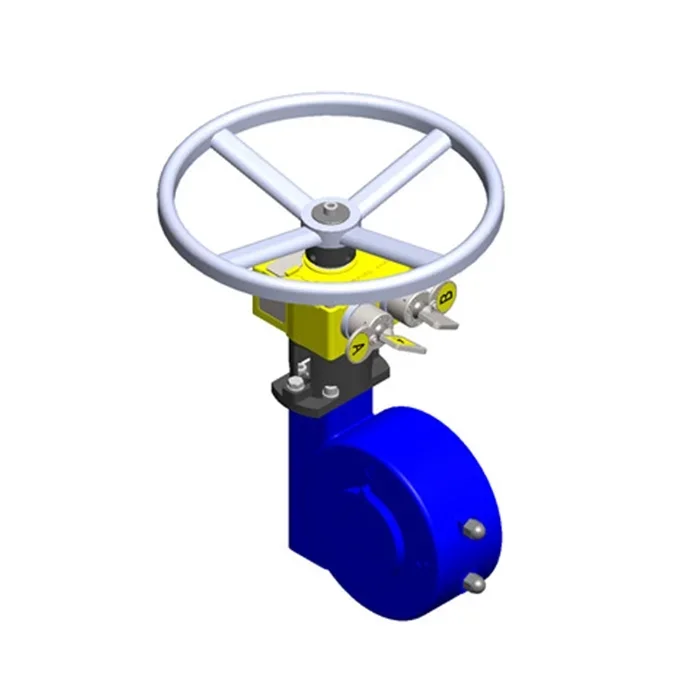
1. Understand Your Application Requirements Before Purchasing
The first step in sourcing mechanical interlocks is understanding the specific requirements of your project.
Different industries and applications require different interlock configurations. Before contacting a supplier, buyers should clearly define:
-
Equipment types involved
-
Number of valves or devices requiring interlocking
-
Required operation sequence
-
Environmental conditions
-
Installation location
-
Safety requirements
For example, a refinery pipeline system may require complex valve sequencing to prevent incorrect flow direction, while a tank farm application may require interlocks to prevent accidental mixing of different products.
A professional mechanical interlock supplier should be able to analyze these requirements and recommend a suitable configuration instead of offering only standard products.
2. Evaluate the Supplier’s Engineering Capability
One of the most important factors when selecting a supplier is technical expertise.
Mechanical interlocks are safety-related devices, meaning their design must accurately match the actual process requirements. A reliable supplier should have experience with:
-
Valve sequence analysis
-
P&ID interpretation
-
Mechanical logic design
-
Trapped key system configuration
-
Customized industrial safety solutions
For complex projects, the supplier should be capable of transforming process requirements into a practical mechanical solution.
For example, in a manual valve system, the interlock logic may require:
-
Valve A must be closed before Valve B can open
-
Valve B must reach a certain position before the next key is released
-
Specific operational steps must be completed before equipment access is allowed
This type of physical logic is the foundation of mechanical valve interlock systems.
A supplier with strong engineering capability can help prevent design errors and ensure the system functions correctly after installation.
3. Check Product Quality and Manufacturing Standards
When purchasing wholesale mechanical interlocks, product quality should always be a priority.
Unlike electronic systems that rely on sensors and software, mechanical interlocks depend entirely on the precision and durability of physical components.
Important quality factors include:
Material Selection
Mechanical interlocks may operate in harsh industrial environments involving:
-
Corrosive chemicals
-
High humidity
-
Temperature variations
-
Outdoor exposure
Therefore, suppliers should provide materials suitable for the application, such as corrosion-resistant metals and durable mechanical components.
Manufacturing Precision
Key components require accurate manufacturing, including:
-
Lock mechanisms
-
Keys
-
Transfer units
-
Mounting structures
Poor manufacturing accuracy can result in:
-
Difficult operation
-
Key extraction problems
-
Incorrect sequencing
-
Reduced service life
A professional mechanical interlock manufacturer should have strict quality control procedures throughout production.
4. Consider Customization Capability
Industrial projects rarely have identical requirements. This means customization capability is a key factor when choosing a supplier.
A reliable supplier should provide custom mechanical interlock solutions based on:
-
Existing valve arrangements
-
Process requirements
-
Safety procedures
-
Customer installation conditions
Customization may include:
-
Different numbers of keys
-
Complex sequencing arrangements
-
Special mounting designs
-
Integration with existing equipment
For large industrial projects, a supplier that only provides fixed standard models may not be able to meet specific engineering requirements.
5. Verify Experience in Industrial Applications
Experience is another important factor when sourcing wholesale mechanical interlocks.
A supplier with extensive industrial experience understands the challenges of real operating environments.
Look for suppliers with experience in applications such as:
Oil and Gas Industry
Mechanical interlocks are commonly used for:
-
Pipeline isolation
-
Manual valve sequencing
-
Maintenance safety procedures
Petrochemical Plants
They help prevent:
-
Incorrect chemical flow paths
-
Unsafe equipment operation
-
Improper valve switching
Power Generation
They support safe operation of:
-
Steam systems
-
Cooling systems
-
Fuel systems
Marine and Offshore Engineering
They provide reliable operation in environments requiring:
-
High corrosion resistance
-
Mechanical durability
-
Long service life
A supplier’s industry experience often reflects its ability to handle complex safety requirements.
6. Choose a Supplier with Strong Trapped Key Interlock Expertise
Many industrial mechanical interlock systems use trapped key technology.
Trapped key mechanical interlocks operate by controlling access through physical key transfer logic.
The principle is simple:
-
A key remains trapped until a safe condition is achieved
-
Once released, the key allows the next operation
-
Incorrect sequences are physically prevented
This approach is highly effective because it eliminates dependence on operator memory.
When sourcing these systems, buyers should evaluate whether the supplier has experience designing:
-
Single-key sequences
-
Multiple-key systems
-
Complex operational chains
-
Customized safety logic
A supplier experienced in trapped key technology can provide more reliable solutions for critical industrial applications.
7. Review Certifications and Quality Management Systems
Certifications provide confidence that the supplier follows recognized quality standards.
Before purchasing, buyers should review:
-
Product certifications
-
Quality management certifications
-
Safety compliance documentation
-
Testing procedures
A trustworthy supplier should be transparent about:
-
Manufacturing processes
-
Inspection procedures
-
Product testing
For industrial safety products, certification is not simply a marketing advantage—it demonstrates commitment to consistent product quality.
8. Evaluate Production Capacity for Wholesale Orders
When purchasing in bulk, production capability becomes an important consideration.
A reliable wholesale mechanical interlock supplier should have:
-
Stable manufacturing capacity
-
Efficient production processes
-
Reliable delivery schedules
-
Inventory management capability
Large industrial projects often require multiple systems delivered according to strict construction timelines.
A supplier without sufficient production capacity may cause:
-
Project delays
-
Installation problems
-
Increased procurement risks
Therefore, buyers should evaluate not only product quality but also supplier scalability.
9. Compare Total Value Instead of Only Price
Price is an important purchasing factor, but it should not be the only consideration.
The cheapest option may create additional costs through:
-
Frequent maintenance
-
Replacement requirements
-
Installation difficulties
-
Operational risks
A high-quality mechanical interlock system provides long-term value through:
-
Reliable performance
-
Reduced safety risks
-
Lower maintenance requirements
-
Longer service life
Industrial buyers should focus on total lifecycle value rather than initial purchase cost.
10. Importance of After-Sales Support
A reliable supplier should provide support beyond product delivery.
Important services include:
-
Installation guidance
-
Technical consultation
-
Documentation support
-
Troubleshooting assistance
-
Spare parts availability
Mechanical interlock systems are often part of critical safety infrastructure, so ongoing technical support is essential.
A supplier that provides complete service demonstrates long-term commitment to customer success.
11. Why Choosing the Right Mechanical Interlock Supplier Matters
The quality of a mechanical interlock system directly affects industrial safety.
An experienced supplier can help customers:
-
Reduce operational risks
-
Prevent human errors
-
Improve process safety
-
Ensure compliance with industrial requirements
For companies purchasing wholesale mechanical interlocks, supplier selection should focus on engineering capability, manufacturing quality, application experience, and service reliability.
The right supplier is not simply a manufacturer but a partner that supports safe and efficient industrial operations.
12. Conclusion
Sourcing wholesale mechanical interlocks requires careful evaluation of multiple factors, including supplier expertise, manufacturing quality, customization capability, certifications, production capacity, and after-sales support.
Mechanical interlock systems are critical safety solutions used across industries where incorrect manual operation can create serious risks. By choosing an experienced and reliable supplier, industrial buyers can ensure that their valve safety systems provide consistent performance, long-term reliability, and effective operational protection.
As a professional mechanical interlock manufacturer, Nudango provides industrial safety product design, manufacturing, and service solutions for customers worldwide. The company has passed CE, HSE, and other system certifications and has gained a strong reputation in the industry. Nudango’s product range includes Valve Interlock, Trapped Key Interlocking, Remote Valve Actuator, Portable Valve Actuator, and Valve Position Indicator. These safety systems have been widely applied in petrochemical, electric power, steel, shipbuilding, and ocean engineering industries both domestically and internationally, earning recognition for their reliability and performance.
www.nudango.com
nudango
About Author


More Stories
BT50 Spindle CNC Horizontal Machining Center: Features, Applications, and Selection Tips
Link Ring Conveyor: Working Principle, Components, and Industrial Applications
How to Design Better Tennis Court Sport Lighting: Uniformity, Glare Control and Professional Venue Case Studies