In modern thermal power plants, combined-cycle facilities, and nuclear auxiliary systems, power station valves are not simple flow-control components. They are safety-critical mechanical devices operating under extreme thermal cycling, high-pressure steam, corrosive media, and continuous load fluctuations. Their performance directly determines plant efficiency, operational safety, and maintenance downtime.
For engineering teams designing or upgrading energy infrastructure, valve selection is no longer a procurement decision alone. It is a lifecycle reliability decision that impacts turbine protection, boiler stability, and long-term OPEX.
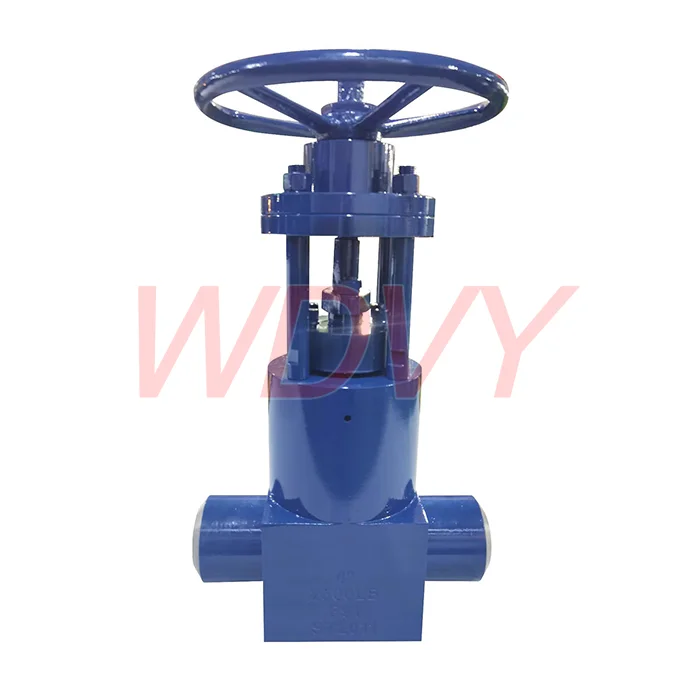
This article explores the real engineering requirements behind power station valves and how advanced manufacturing capabilities, such as those provided by Zhejiang Wandong Valve Co., Ltd., align with these demands.
Extreme Operating Environment Defines Valve Performance Boundaries
Power generation systems impose some of the harshest operating conditions in industrial flow control.
Main steam lines in subcritical and supercritical plants typically operate at pressures ranging from 10 MPa to over 25 MPa, with temperatures exceeding 540°C in ultra-supercritical units. Under these conditions, even minor sealing imperfections or material fatigue can evolve into catastrophic leakage or efficiency loss.
Thermal cycling introduces another layer of stress. During startup and shutdown phases, valves experience rapid temperature gradients that cause differential expansion between the body, seat, and stem. This leads to progressive wear in sealing interfaces and increases the probability of internal leakage over time.
In addition, feedwater and condensate systems often contain dissolved oxygen and trace impurities, accelerating corrosion and erosion, particularly at throttling points where fluid velocity is high.
A well-designed power station valve must therefore combine structural strength, thermal stability, and long-term sealing integrity under dynamic conditions rather than static ratings alone.
Valve Types and Functional Roles in Power Stations
Different sections of a power plant require distinct valve architectures, each optimized for specific mechanical and flow-control functions.
Gate valves are widely used in main steam isolation and feedwater lines due to their low pressure drop in fully open conditions. In these applications, the design priority is tight shutoff capability under high differential pressure, where wedge seating geometry and hardened seat materials play a critical role.
Globe valves are typically deployed in throttling and control scenarios, such as bypass lines or temperature regulation systems. Their internal flow path enables precise modulation, but also subjects the trim components to higher erosion risk, requiring optimized flow geometry and erosion-resistant alloys.
Check valves ensure unidirectional flow in pump discharge and boiler protection systems. Their response time and sealing reliability are essential to prevent reverse flow-induced water hammer, which can damage downstream equipment.
Ball valves, increasingly used in auxiliary systems and secondary circuits, provide rapid shutoff and high cycle durability. In power station environments, trunnion-mounted designs with metal-seated configurations are preferred over soft-seated variants due to temperature constraints.
The integration of these valve types into a unified system requires not only product diversity but also consistency in material engineering and manufacturing precision.
Engineering Challenges Behind Long-Term Reliability
The failure modes of power station valves are typically not immediate. Instead, they develop gradually through mechanical and metallurgical degradation mechanisms.
Erosion is a primary concern in throttling applications. High-velocity steam or water droplets gradually remove protective surface layers, especially in downstream sections of globe valves and control valves. Once surface roughness increases, flow turbulence accelerates damage progression.
Cavitation is another critical issue in liquid systems where local pressure drops below vapor pressure. The collapse of vapor bubbles generates micro-jet impacts on metal surfaces, leading to pitting and structural weakening over time.
Thermal fatigue occurs in systems with frequent load cycling. Repeated expansion and contraction can initiate micro-cracks at weld joints or stress concentration points, particularly in large-diameter valve bodies.
Seat leakage is often the most operationally sensitive issue. Even minor leakage in isolation valves can lead to efficiency loss in steam cycles and increased fuel consumption. Over time, this translates into significant economic impact across plant operation cycles.
To mitigate these risks, material selection and machining precision must be engineered as a unified system rather than independent variables.
Material Engineering and Structural Optimization
Modern power station valves rely heavily on advanced alloy systems to withstand combined thermal and mechanical stress.
Chromium-molybdenum steels are commonly used in high-temperature steam applications due to their creep resistance and structural stability. Stainless steel variants are preferred in corrosive or water-based systems where oxidation resistance is critical.
For sealing surfaces, hard-facing technologies such as Stellite overlay or tungsten carbide coatings significantly extend service life by improving wear resistance under repeated friction cycles.
Structural design also plays a decisive role. Finite element analysis is often used to evaluate stress distribution across valve bodies, ensuring that wall thickness transitions do not create fatigue hotspots. Flow channel optimization reduces turbulence-induced vibration, which is especially important in high-pressure throttling environments.
A high-performance power station valve must therefore integrate material science, mechanical design, and fluid dynamics into a single engineering framework.
Manufacturing Precision as a Determinant of Field Performance
Even the best design cannot compensate for poor manufacturing accuracy. In power station valves, tolerances at the micron level can influence sealing performance and long-term reliability.
Seat alignment, stem straightness, and surface finish of sealing interfaces directly affect leakage rates under high differential pressure. Precision machining and rigorous assembly control are essential to ensure that design specifications translate into real-world performance.
Zhejiang Wandong Valve Co., Ltd. operates as a vertically integrated industrial valve manufacturer, covering ball valve production, large-diameter gate valve fabrication, and specialized stainless steel valve machining. This structure allows consistent control over critical production stages, including forging, heat treatment, machining, and final testing.
For large-scale energy projects, this integration reduces variability between valve batches and improves predictability in system maintenance planning.
Lifecycle Perspective in Valve Selection
In power generation systems, valve selection should be evaluated through lifecycle cost rather than initial purchase price. A lower-cost valve that requires frequent maintenance shutdowns can significantly increase total operating expenditure.
Key evaluation dimensions include expected cycle life under operating pressure, sealing retention after thermal cycling, erosion resistance in throttling conditions, and ease of in-line maintenance or replacement.
A well-engineered valve system reduces forced outages, stabilizes thermal efficiency, and minimizes unplanned maintenance events. Over a 10–20 year plant lifecycle, these factors often outweigh initial procurement differences.
Conclusion
Power station valves operate at the intersection of extreme physics and long-term operational economics. Their performance is defined not only by pressure ratings but by material integrity, structural precision, and manufacturing consistency under demanding conditions.
As global energy infrastructure continues to evolve toward higher efficiency and stricter safety standards, the demand for reliable valve systems will continue to increase.
Manufacturers like Zhejiang Wandong Valve Co., Ltd., with vertically integrated production capabilities and a focus on high-pressure industrial valve systems, play a critical role in ensuring that power plants operate safely, efficiently, and with predictable long-term performance.
www.wdfmvalves.com
Zhejiang Wandong Valve Co., Ltd.

More Stories
Integrated Liquid Cooling System Supplier in China: Custom Thermal Management Solutions for Global OEMs
How High Output Auditorium Speakers Improve Sound Performance in Large Venues
Data Center Battery Suppliers in North America: 2026 Guide