Ultrasonic homogenizers are indispensable tools in modern laboratories, widely used in biotechnology, pharmaceuticals, nanotechnology, and food science. They efficiently disrupt cells, prepare emulsions, and produce uniform suspensions with high precision. Despite their robust design, improper use or inadequate maintenance can significantly shorten their lifespan and compromise performance. Ensuring that your ultrasonic homogenizer operates at peak efficiency requires a systematic approach to maintenance, cleaning, and handling. This article provides a comprehensive guide on ultrasonic homogenizer maintenance, offering practical tips to maximize the longevity and effectiveness of your instrument.
Understanding the Ultrasonic Homogenizer
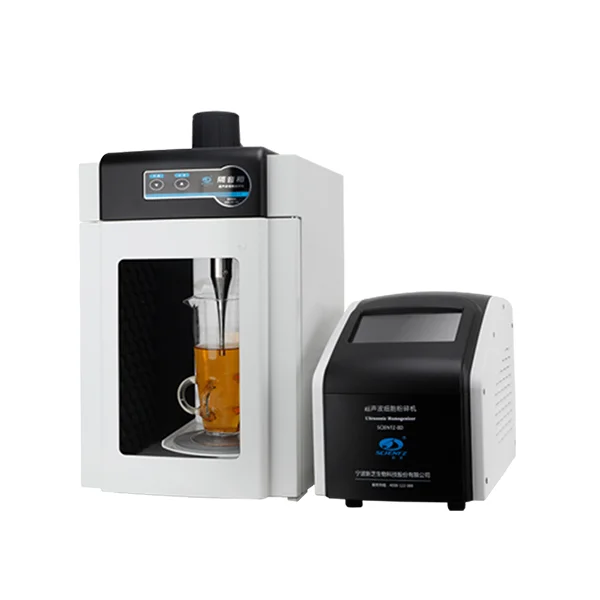
Before diving into maintenance, it is essential to understand the core components of an ultrasonic homogenizer and their functions. An ultrasonic homogenizer typically consists of three main parts:
-
The Generator: Converts electrical energy into high-frequency ultrasonic waves.
-
The Transducer: Amplifies and converts electrical signals into mechanical vibrations.
-
The Probe (Sonotrode): Directly contacts the sample and transmits ultrasonic energy, causing cavitation and homogenization.
Each component is critical for efficient operation, and maintenance practices should focus on preserving their functionality and integrity.
Common Causes of Ultrasonic Homogenizer Wear
Several factors contribute to the wear and tear of ultrasonic homogenizers:
-
Overheating: Continuous operation at high amplitude without adequate cooling can damage the transducer and generator.
-
Improper Probe Use: Using the probe in abrasive or corrosive samples without protective coatings can lead to pitting or erosion.
-
Excessive Amplitude or Power Settings: Operating at power levels beyond the recommended range increases mechanical stress and shortens the probe’s lifespan.
-
Neglecting Cleaning: Residual sample buildup on the probe or transducer can cause contamination and reduce energy transmission efficiency.
-
Mechanical Impacts: Dropping or mishandling the probe can misalign components or fracture the tip.
Understanding these factors helps users implement preventative measures and maintain optimal performance.
Daily Maintenance Tips
1. Inspect the Probe and Sonotrode
Before and after each use, inspect the probe for signs of wear, cracks, or corrosion. Even minor damage can reduce cavitation efficiency and affect sample uniformity. If wear is detected, replace the probe promptly to avoid damaging the transducer.
2. Clean After Each Use
Cleaning the probe and the surrounding areas is crucial. Follow these steps:
-
Remove the probe from the generator carefully.
-
Rinse with deionized water or an appropriate solvent compatible with your sample.
-
Use a soft brush to remove stubborn residues.
-
Avoid abrasive cleaners that can scratch or erode the probe.
-
Dry thoroughly before storage or reuse.
3. Check Cables and Connections
Loose or damaged cables can cause intermittent power delivery, leading to inconsistent homogenization. Inspect all electrical connections for wear, corrosion, or fraying. Ensure that the generator and transducer connections are secure and properly aligned.
Weekly Maintenance Practices
1. Calibrate the Ultrasonic Homogenizer
Regular calibration ensures that the output amplitude and energy levels are accurate. Most modern homogenizers provide calibration routines in their software. If your device lacks automatic calibration, consult the manual for recommended procedures.
2. Examine the Cooling System
Many ultrasonic homogenizers feature integrated cooling systems to prevent overheating. Check the coolant levels and flow rate weekly. Replace or refill the coolant as necessary to maintain safe operating temperatures.
3. Inspect the Transducer and Generator
Look for unusual noises, vibrations, or heat accumulation during operation. Such signs may indicate misalignment or internal wear. If detected, schedule professional service to avoid further damage.
Monthly Maintenance Strategies
1. Deep Clean the Probe and Generator Housing
Perform a thorough cleaning of all exposed surfaces, including the probe, probe holder, and generator casing. Dust, spilled samples, or chemical residues can interfere with heat dissipation and electrical components.
2. Lubricate Moving Parts (If Applicable)
Some ultrasonic homogenizers have moving parts in the probe holder or stand. Apply recommended lubricants to reduce mechanical friction and prevent wear. Avoid lubricants that could contaminate samples.
3. Perform a Performance Test
Run a standardized sample to verify consistent amplitude and homogenization efficiency. Record the output and compare it to previous results. Significant deviations may indicate component wear or calibration drift.
Best Practices for Longevity
1. Avoid Prolonged Continuous Operation
While ultrasonic homogenizers are designed for efficiency, running the device continuously for long periods can overheat the transducer. Use pulse mode or intermittent operation to allow cooling intervals, especially when processing viscous samples.
2. Use Appropriate Power Settings
Always adjust amplitude and power settings according to sample type and volume. Excessive power not only wastes energy but also accelerates wear on the probe and transducer.
3. Store Properly
When not in use, store the ultrasonic homogenizer in a clean, dry environment. Protect the probe from mechanical impacts, and cover the generator to prevent dust accumulation.
4. Handle Probes with Care
Avoid touching the probe tip with hard objects. Always insert and remove it gently from sample containers to prevent bending or cracking.
5. Train Personnel
Proper use and maintenance rely on trained operators. Ensure all users understand the importance of cleaning, calibration, and handling protocols to minimize the risk of damage.
Troubleshooting Common Problems
Even with diligent maintenance, issues may arise. Here are common problems and solutions:
-
Reduced Homogenization Efficiency: Inspect the probe for wear, clean thoroughly, and verify proper power settings.
-
Overheating: Check cooling system functionality, reduce continuous run time, or lower amplitude.
-
Unusual Noise or Vibrations: Examine probe alignment, check for loose connections, and inspect for internal damage.
-
Electrical Errors: Inspect cables and connectors; if errors persist, consult manufacturer support.
When to Seek Professional Service
Some maintenance tasks, such as replacing transducers or repairing generators, require professional attention. Schedule service according to the manufacturer’s recommendations or when performance issues cannot be resolved through routine maintenance. Regular professional inspection can prevent costly repairs and extend the instrument’s service life.
Conclusion
Maintaining an ultrasonic homogenizer is not just about preserving an expensive laboratory instrument—it is about ensuring reproducibility, accuracy, and efficiency in every experiment. By following daily, weekly, and monthly maintenance routines, using proper operating procedures, and addressing issues promptly, laboratories can significantly extend the lifespan of their ultrasonic homogenizers. Regular maintenance protects both the equipment and the quality of experimental results, making it a worthwhile investment for any research or production environment.
Adhering to these tips ensures your ultrasonic homogenizer continues to perform reliably, delivering precise and consistent results for years to come. Remember: preventative care is always more cost-effective than repairing a damaged unit.
www.dscientz.com
dscientz
About Author


More Stories
Which Suppliers Offer Heavy-Duty Generator Sets Powered by Baudouin Engines for Continuous-Duty Operation?
AC Connector Car for Automotive HVAC Systems: Electrical Contact Stability and Lifecycle Replacement Engineering
Spin-On Low Pressure Filters in Hydraulic and Lubrication Systems: Efficient Filtration for Industrial Reliability