A USB magnetic charging cable is a practical charging accessory for modern wearable devices, especially smartwatches that need frequent charging but have limited physical space. For users, the combination of USB connectivity and magnetic attachment makes daily charging simpler. For retailers and brands, working with an experienced USB magnetic charging cable manufacturer in China can also provide better control over cable design, charging performance, quality, and customization.
Unlike a conventional charging cable that requires a direct plug-in connection, a magnetic charging cable is designed to make the connection process quicker and more convenient. But its benefits go beyond convenience. Cable construction, magnetic positioning, internal components, and production quality all contribute to how well the finished product performs.
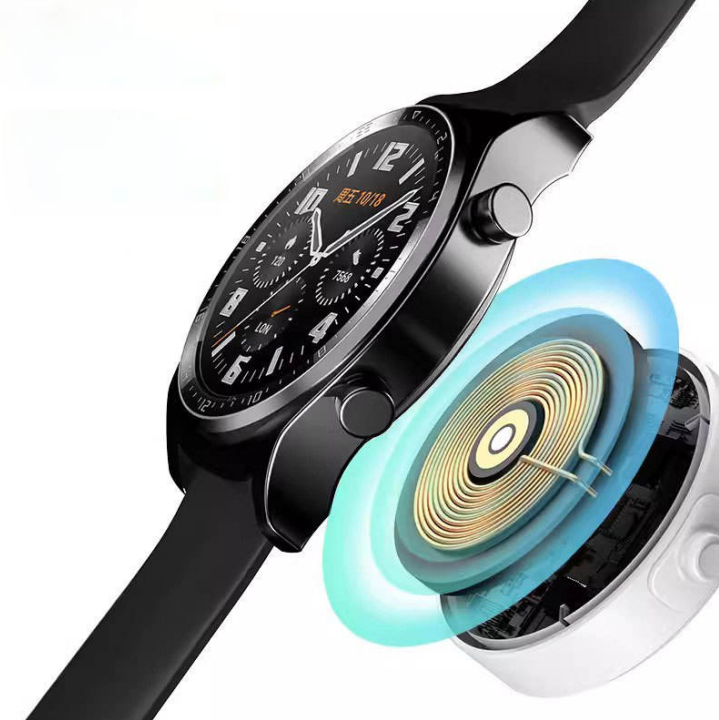
What Is a USB Magnetic Charging Cable?
A USB magnetic charging cable combines two basic elements: a USB connection on the power-source side and a magnetic charging head on the device side.
The USB connector allows the cable to connect with a compatible power adapter, computer, power bank, or other USB power source. At the opposite end, the magnetic charging head is designed to attach to the designated charging area of a compatible smartwatch.
The magnetic connection helps guide the device into the intended position.
This is particularly useful for small wearable devices because users do not need to repeatedly handle a tiny charging connector.
A dedicated Wireless Charger for Huawei Watch, for example, is designed around the charging requirements and physical structure of compatible Huawei Watch models rather than treating every smartwatch as identical.
1. USB Makes the Charger Easy to Integrate Into Existing Setups
One of the biggest advantages of a USB magnetic charging cable is the flexibility of the power source.
Users may already have USB charging equipment at home, in the office, or while traveling. A USB-based cable can fit naturally into these environments, provided the power source meets the requirements of the target charging device.
This eliminates the need for a dedicated wall-mounted charging system in many everyday situations.
For example, a user can keep one cable beside a desk and another in a travel bag. A distributor can also package the cable as a compact accessory without requiring a large charging base.
For businesses, this familiar USB format can make the product easier to position across different markets.
2. Magnetic Attachment Simplifies Daily Charging
Smartwatch charging is usually a repetitive task.
Users may connect their watch every evening or top it up during the day. With a conventional connector, each charging session requires finding the correct port and inserting the plug.
A magnetic charging head changes that process.
The user brings the charging head close to the designated charging area, and the magnets help guide it into position. Once attached, the watch can remain connected while charging.
This is particularly convenient for people who charge their smartwatch beside a computer or on a bedside table.
The benefit is not about eliminating every charging issue. It is about reducing unnecessary steps in a task that users perform frequently.
3. Proper Magnetic Alignment Supports Charging Consistency
The magnetic component has an important mechanical function.
A smartwatch charging area is relatively small. If the charging head moves away from its intended position, the electrical connection or wireless power transfer may become less reliable.
A properly designed magnetic system helps keep the charging head in the correct location.
However, magnetic strength should not be considered in isolation.
A strong magnet does not automatically make a better charger. The magnetic force needs to be balanced with the charging head structure, coil position, device surface, and intended user experience.
If the magnet is too weak, the charger may detach easily. If the design is poorly matched to the target watch, excessive magnetic force does not solve the alignment problem.
Good product engineering is about finding the right balance.
4. A Good Cable Should Be Designed for Repeated Bending
The charging head gets attention because it is visible, but the cable itself often experiences more physical stress.
A smartwatch charging cable may be:
· Wrapped around a power adapter
· Stored inside a travel bag
· Pulled from behind a desk
· Bent near the USB connector
· Repositioned several times a day
For this reason, strain relief and cable flexibility are important design considerations.
A cable that is extremely rigid can be uncomfortable to organize, while a cable that is too soft may not provide enough mechanical support around high-stress areas.
The ideal construction depends on the application, cable length, connector design, and target market.
For manufacturers, these details need to be considered during product development rather than after mass production begins.
5. The USB Connector Also Influences User Experience
Not all USB configurations provide the same experience.
Depending on the target product, a manufacturer may need to consider USB-C, USB-A, or another connection format.
USB-C has become common across modern consumer electronics, making it a practical choice for many new accessories. However, existing equipment and specific markets may still require other configurations.
For a wholesale buyer, connector selection should therefore be based on the intended customer base rather than simply choosing whichever connector is currently most common.
Packaging should also clearly identify the connector type and compatible devices. This reduces confusion for both retailers and end users.
6. Compact Design Makes Magnetic Cables Suitable for Travel
A smartwatch charger does not need to be large to be useful.
One advantage of a USB magnetic charging cable is that it can be designed as a relatively compact accessory. There is no need for a large charging station when the application only requires a dedicated charging cable.
This makes the format suitable for:
Business travel: Easy to keep in a laptop bag.
Daily commuting: Takes up little space in an accessory pouch.
Hotels: Can be connected to an existing USB power source.
Office use: Can remain beside a computer or charging adapter.
For brands targeting travel accessories, compact cable construction can also help simplify packaging and shipping.
7. A Magnetic Cable Can Reduce the Need to Manipulate Small Ports
Repeatedly inserting a connector into a small wearable device can be inconvenient.
The magnetic approach provides a different interaction. Instead of inserting the charging connector into the watch each time, the user attaches the magnetic head to the designated charging position.
This can make charging easier for users who have limited visibility at night or who regularly remove and reconnect their watch.
The design also gives product manufacturers more flexibility when developing charging accessories for compact devices.
8. Charging Performance Depends on the Internal Design
The external appearance of a USB magnetic cable can be simple, but there can be considerable engineering behind the charging head.
Performance depends on factors such as:
· Charging coil design
· Circuit components
· Magnetic alignment
· Electrical protection
· Cable construction
· Component quality
· Assembly accuracy
· Heat management
This is why a professional magnetic charging cable supplier should be evaluated based on manufacturing and testing capabilities, not just product photographs.
A good-looking charging cable is easy to copy. Consistent electrical performance across production batches is much harder to achieve.
9. Manufacturing Control Matters for Wholesale Buyers
When ordering a small number of samples, differences between individual units may not always be obvious.
At wholesale scale, however, manufacturing consistency becomes much more important.
Shenzhen Chuangyao Technology Co., Ltd. is a national high-tech enterprise integrating production, manufacturing, and sales. Its dust-free workshop covers more than 4,300 square meters and is equipped with four fully automated high-precision SMT placement lines and two manual post-welding lines.
For a China wireless charger factory, automated SMT production can help support consistent electronic component placement, while controlled assembly processes are important for maintaining product quality across larger production runs.
The company holds ISO9001:2015 quality management system certification, and its products comply with RoHS standards. According to the company, 78% of its customer products are exported to developed overseas markets.
These capabilities are particularly relevant for international brands and distributors that need a supplier capable of supporting repeat orders.
10. OEM and ODM Can Adapt the Cable to the Product
A standard USB magnetic cable may be sufficient for replacement accessories, but brands often have more specific requirements.
A manufacturer may need to provide:
· Customized cable length
· Different USB connector options
· Customized magnetic charging heads
· Housing modifications
· Logo application
· Packaging design
· Product-specific tooling
· Compatibility testing
Shenzhen Chuangyao Technology Co., Ltd. has independently developed an ERP material and process management system covering wireless charging OEM/ODM research and development, mold opening, assembly production, testing, and sales.
This makes the company capable of supporting a broader product-development process rather than only supplying finished charging cables.
Businesses developing branded charging accessories can review its wireless charging OEM/ODM capabilities when assessing customized production requirements.
11. What Should You Check Before Buying?
Whether you are purchasing one replacement cable or developing a wholesale product line, a few checks can prevent avoidable problems.
Check Exact Compatibility
Do not assume that a magnetic charging cable works with every smartwatch. Confirm the exact supported models and charging requirements.
Check Magnetic Positioning
The charging head should align naturally with the intended charging area and remain reasonably stable during normal use.
Inspect Cable Construction
Look at the USB connector, cable flexibility, strain relief, housing, and overall assembly quality.
Confirm Testing
For wholesale orders, ask how the supplier tests charging performance and finished products.
Consider the Intended Environment
A short cable may work well on a desk, while a longer cable may be more convenient beside a bed. Travel products may benefit from a lighter and more compact structure.
Ask About Customization
If you are building a private-label product, confirm whether the factory can support cable specifications, housing, branding, packaging, and other OEM/ODM requirements.
Why USB Magnetic Charging Is a Practical Accessory Format
The strongest advantage of a USB magnetic charging cable is not one individual specification. It is the combination of several practical features.
USB provides broad connectivity to compatible power sources. Magnetic attachment simplifies the physical charging process. Compact construction makes the cable easy to store and transport. A properly designed charging head helps maintain alignment, while suitable cable construction supports repeated everyday handling.
For businesses, the manufacturing side is equally important.
A charger can only deliver a consistent user experience when its electronic components, magnetic structure, cable, housing, assembly, and testing process are properly controlled.
USB magnetic charging cables have become a practical solution for smartwatch users because they simplify an activity that happens repeatedly: keeping the watch charged.
The real quality of the product, however, comes from the details. Magnetic alignment needs to be accurate, the cable needs to withstand everyday handling, the USB connection needs to suit the target market, and the internal charging components need to perform consistently.
For retailers, distributors, and brands, choosing the right USB magnetic charging cable manufacturer in China should therefore involve more than comparing product appearance. Manufacturing capacity, quality management, testing, OEM/ODM support, and experience with overseas markets all deserve attention.
Shenzhen Chuangyao Technology Co., Ltd. combines wireless charging R&D, mold opening, assembly, testing, and manufacturing capabilities, providing a practical foundation for businesses developing standard or customized smartwatch charging products.
When the charging accessory is designed around the real needs of the device and the end user, a simple USB magnetic cable can become a reliable part of the overall smartwatch experience.
www.chuangyaokj.com
Shenzhen Chuangyao Technology Co., Ltd
About Author

More Stories
What is the operating principle of a welding machine?
How is the circumferential weld formed in a belt vulcanizing machine?
Kaiyue Unveils 20V Cordless Drill: Max Torque Specs for Heavy Construction