Modern high-rise glass buildings present unique challenges when it comes to exterior illumination. While floodlighting can dramatically enhance architectural aesthetics after dark, improper implementation risks glare, energy waste, and compromised building performance. For developers, architects, and property owners seeking to illuminate glass facades effectively, understanding the intersection of lighting design and building envelope technology is essential.
The Challenge of Lighting Glass Facades
Glass curtain wall systems dominate contemporary high-rise architecture, offering transparency, natural light, and striking visual appeal. However, these same properties create distinct floodlighting complications. Unlike opaque materials that reflect light predictably, glass surfaces simultaneously reflect, transmit, and absorb light depending on angle, coating, and interior conditions. Poorly planned floodlighting can produce unwanted glare for neighboring buildings, create uncomfortable interior brightness for occupants, and emphasize rather than conceal structural imperfections.
The most common floodlighting mistake involves treating glass facades like solid walls. Standard upward-angled floodlights produce uneven illumination, harsh reflections, and light pollution. Additionally, high-intensity lighting exposes any water staining, sealant deterioration, or panel misalignment—defects that remain invisible during daylight but become glaringly obvious under artificial illumination.
Performance-Based Facade Design as Foundation
The most effective floodlighting strategy begins long before fixture selection—it starts with the building envelope itself. High-performance curtain wall systems engineered with precision manufacturing and superior weather resistance provide the consistent, clean surface essential for quality illumination results.
Hwarrior specializes in factory-prefabricated unitized curtain wall systems engineered specifically for high-rise applications. Unlike conventional stick-built facades assembled on-site, unitized systems are completely manufactured, assembled, and quality-tested under controlled factory conditions before arriving at the construction site. This industrialized approach delivers several critical advantages for buildings planned with exterior lighting:
Precision alignment and consistency: Factory-controlled assembly ensures panel-to-panel uniformity within micron-level tolerances, eliminating the shadow lines and surface irregularities that become magnified under floodlighting. Each unitized panel maintains consistent glazing plane and reveal dimensions, creating the seamless visual surface that lighting designers require.
Superior weather resistance: Hwarrior's proprietary dual-layer pressure-equalized waterproofing system with premium EPDM gaskets prevents water infiltration even under extreme weather conditions. This advanced sealing technology eliminates the water staining and mineral deposits that plague conventionally sealed facades, keeping glass surfaces pristine for consistent light reflection over decades of service.
Structural integrity for mounting hardware: High-rigidity extruded aluminum profiles with reinforced cavity construction provide robust attachment points for integrated lighting fixtures without compromising structural performance or weather-tightness. The system's ability to resist Grade 9 wind loads ensures lighting equipment remains securely fastened even in extreme conditions.
Integrated Lighting Design Principles
Once a high-performance facade system establishes the foundation, lighting designers can implement sophisticated illumination strategies:
Grazing technique: Position fixtures to cast light parallel to the glass surface rather than perpendicular. This approach minimizes reflections while emphasizing the building's vertical lines and architectural details. Grazing works particularly well with Hwarrior's concealed-frame and semi-concealed-frame unitized systems, where subtle shadow lines between panels create rhythmic visual interest under strategic illumination.
Color temperature coordination: Match lighting color temperature to the glass coating properties. Low-E coatings with warm tints pair best with 2700-3000K fixtures, while neutral glass performs well with 3500-4000K temperatures. Hwarrior engineers glass specifications to comply with regional energy codes while maintaining color neutrality that accommodates various lighting schemes.
Zoning and dimming: Divide the facade into controllable zones rather than uniform illumination. This allows emphasis on architectural features, entry points, or crown elements while reducing overall energy consumption. Modern LED systems with DMX control integrate seamlessly with building management systems for dynamic lighting programs.
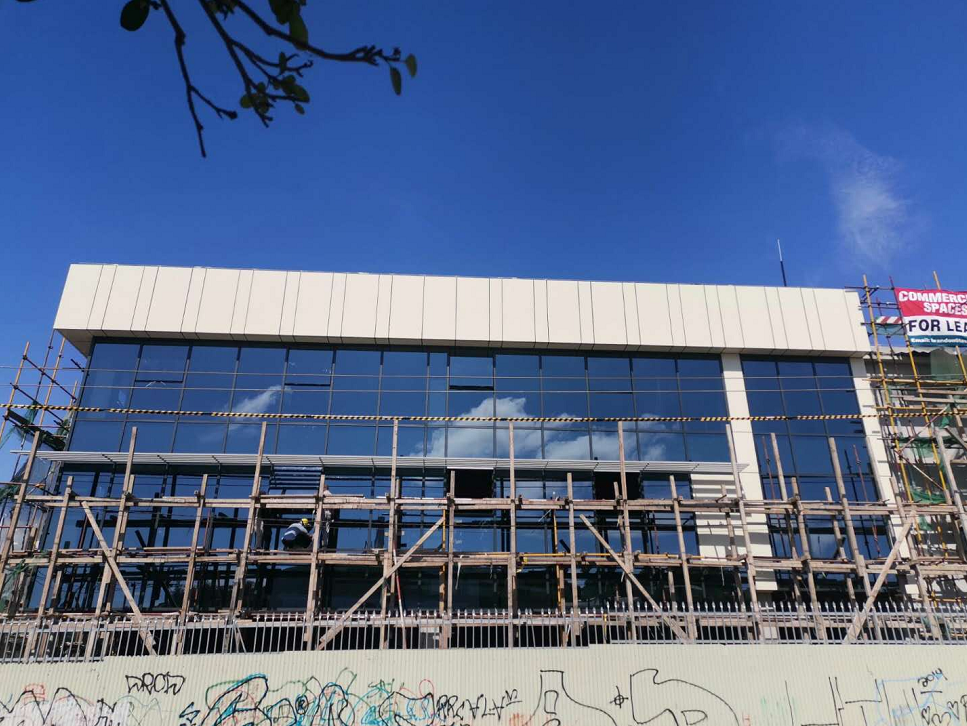
Glare mitigation: Shield all fixtures to prevent direct view of light sources from surrounding buildings and streets. Carefully calculate beam angles and fixture positions during design phase to avoid light trespass. Hwarrior's technical team collaborates with lighting consultants during early design stages to identify optimal mounting locations and coordination requirements.
Regional Considerations and Compliance
Floodlighting requirements vary significantly across global markets, influenced by energy codes, light pollution regulations, and regional aesthetic preferences. Hwarrior maintains comprehensive certification to international standards including CE, AS 2047, AS 4284, UL, SASO, and EN series standards, ensuring facade systems meet performance requirements regardless of project location.
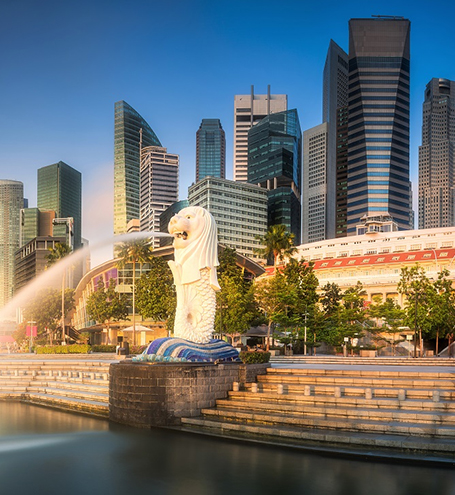
In European markets governed by EN standards, integrated facade lighting must demonstrate compliance with energy efficiency directives while maintaining the thermal performance characteristics specified in EN 14351-1. Hwarrior curtain wall systems achieve U-values as low as 1.8 W/(m²·K), allowing substantial exterior lighting without compromising building energy targets.
Middle Eastern projects face particularly demanding conditions—intense solar heat gain combined with nighttime cooling requires facade systems that maintain thermal performance while supporting robust lighting infrastructure. Hwarrior systems engineered for this region achieve U-values around 2.1 W/(m²·K) while withstanding wind loads up to 3000Pa and water penetration testing at E1200Pa—specifications that ensure lighting mounting hardware remains secure and weather-tight throughout extreme temperature cycling.
Australian standard AS 4284 emphasizes structural performance and weather resistance in coastal high-wind environments. Hwarrior facades meeting these specifications provide the robust structural framework necessary for secure lighting fixture integration in cyclone-prone regions, with thermal transmittance values meeting AS/NZS 4859 requirements.
Lifecycle Performance and Maintenance Access
The best floodlighting design considers long-term maintenance accessibility. Unlike surface-mounted systems requiring scaffolding or swing stages for lamp replacement, integrated lighting infrastructure designed during initial facade engineering allows interior access for maintenance. Hwarrior's unitized panel design can accommodate integrated fixture mounting with interior service access, dramatically reducing ongoing maintenance costs while ensuring consistent illumination quality over the building's lifecycle.
Factory prefabrication also enables complete mock-up testing of lighting integration before mass production. Full-scale prototypes delivered within 7-10 working days allow verification of lighting performance, waterproofing integrity, and maintenance procedures before committing to production, eliminating costly field modifications.
Conclusion
Effective floodlighting for high-rise glass buildings requires integrated thinking from initial facade design through long-term maintenance. The foundation of successful exterior illumination is a precision-engineered curtain wall system that provides consistent surface quality, robust mounting infrastructure, and superior weather resistance. Factory-prefabricated unitized systems from manufacturers like Hwarrior deliver the performance baseline necessary for sophisticated lighting strategies, while comprehensive global certifications ensure compliance across diverse regulatory environments. By coordinating facade engineering with lighting design from project inception, developers achieve striking architectural illumination that enhances building identity without compromising performance, occupant comfort, or operational efficiency.
https://www.hwarrior.com/
HWARRIOR PTE LTD (SINGAPORE)
About Author

More Stories
D19/D25 Pointed Nozzle Cosmetic Tubes for Skincare Packaging
PETG Filament: How to Choose Reliable Material for Consistent 3D Printing
How Four-Axis Servo Control Supports Precision Screen Printing on Irregular Products