The global automotive market is becoming increasingly diverse as Chinese vehicle manufacturers expand their presence beyond domestic sales. International consumers now have access to a broader selection of Chinese SUVs, offering different combinations of design, technology, performance, and pricing.
This development has also changed the way overseas distributors evaluate new vehicle brands. Instead of focusing exclusively on established manufacturers, many are exploring emerging brands that may offer distinctive products and new business opportunities.
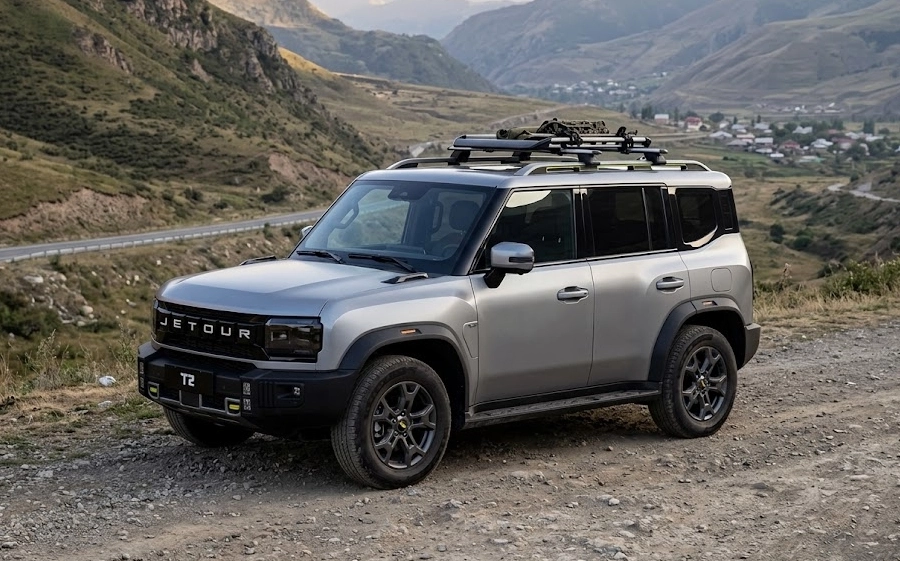
The Jetour T2, also known as the Jetour Traveller in selected markets, is one example of this changing landscape. Its rugged design, five-seat configuration, and available four-wheel-drive versions give it a recognizable identity in the competitive SUV segment.
But what does a model like the Jetour T2 mean for the international expansion of Chinese automotive brands?
1. Chinese Automakers Are Expanding Their Global Product Portfolios
For many years, international automotive markets were dominated by a relatively small group of established manufacturers. Chinese automakers have gradually changed this competitive environment by expanding their product development, manufacturing capabilities, and export operations.
Today's Chinese vehicle market includes electric cars, hybrid vehicles, gasoline-powered SUVs, MPVs, and pickup trucks. This wider product range gives overseas distributors more opportunities to identify models that suit different customer groups.
SUVs are particularly important because they appeal to consumers who want a combination of passenger accommodation, elevated seating, and flexible everyday use.
Within this environment, the Jetour T2 provides an example of how Chinese manufacturers are developing vehicles with more clearly defined design identities rather than competing only through basic transportation value.
2. Product Identity Matters in a Competitive SUV Segment
One challenge facing emerging automotive brands is establishing recognition among consumers who may already be familiar with established international manufacturers.
A vehicle needs identifiable characteristics that help distinguish it from competing models.
The Jetour T2 adopts an upright body profile and rugged exterior styling. Its appearance gives it a different visual character from many conventional urban crossovers.
This design direction may attract consumers who prefer an adventurous SUV appearance but still want a vehicle with a practical five-seat passenger arrangement.
For overseas distributors, this creates an opportunity to introduce the model to customers looking for alternatives within the lifestyle SUV category.
However, strong product identity is only one part of brand development. Buyers also consider quality consistency, service accessibility, product information, and the long-term reputation of the manufacturer.
3. Technology and Configuration Help Shape Brand Perception
International consumers increasingly evaluate vehicles through their complete equipment packages rather than relying on brand reputation alone.
Powertrain choices, infotainment systems, safety equipment, connectivity, and cabin functionality all contribute to how a vehicle is perceived.
Selected Jetour T2 versions feature a 2.0T turbocharged gasoline engine and four-wheel drive. These configurations provide additional options for customers whose requirements differ from those of conventional front-wheel-drive SUV buyers.
For distributors introducing the model into a new country, accurate specification communication is essential. Equipment can vary by model year, trim, and destination market, so promotional materials should reflect the actual vehicle available for sale.
A transparent presentation of features helps customers understand what they are purchasing and reduces confusion when comparing different versions.
4. Local Market Adaptation Is Essential for International Growth
A vehicle that attracts attention in one country may receive a different response in another. Consumer preferences, purchasing power, road conditions, fuel prices, taxation, and import regulations all influence market acceptance.
For the Jetour T2, distributors should consider several questions before developing a local sales strategy:
-
Is there sufficient demand for lifestyle-oriented SUVs?
-
Which vehicle segments compete most directly with the T2?
-
What engine and drivetrain configurations are preferred?
-
Does the local market favor specific safety or comfort equipment?
-
Are spare parts and maintenance services accessible?
-
How do import duties and taxes affect the final retail price?
These factors determine whether the vehicle can compete effectively in a particular market.
Rather than using the same promotional strategy everywhere, distributors should adapt their product communication to local customer priorities.
5. Building Consumer Confidence Requires More Than Competitive Pricing
Price can attract initial interest, but long-term brand acceptance depends on a broader ownership proposition.
Consumers purchasing an unfamiliar automotive brand may have questions about product quality, maintenance, replacement parts, warranty coverage, and resale value.
Dealers can address these concerns through several practical measures.
Accurate product information: Provide clear specifications and explain differences between model versions.
Vehicle demonstrations: Allow customers to examine the interior, equipment, and driving characteristics where local arrangements permit.
Transparent ownership information: Explain servicing requirements, warranty conditions, and available support channels.
Consistent communication: Ensure that advertising materials, sales explanations, and delivered vehicle specifications are aligned.
These activities help turn initial curiosity into informed purchasing decisions.
6. What Overseas Distributors Should Consider When Introducing the Jetour T2
Introducing a new SUV model involves more than arranging an initial shipment. Dealers need to consider how the vehicle will fit into their existing product portfolio and how they will support customers after delivery.
A practical market-entry plan may involve competitor research, configuration selection, pricing analysis, promotional materials, parts planning, and service arrangements.
Distributors should also avoid making unsupported claims about vehicle capabilities or international warranty coverage. Clear communication is particularly important when introducing a brand that customers may not know well.
For the Jetour T2, its distinctive styling and available drivetrain options can provide a starting point for product positioning. However, actual market potential should be assessed through local customer feedback and competitive analysis.
7. Moluoni Supports International Vehicle Sourcing from China
As Chinese automotive exports continue to expand, overseas buyers need reliable ways to identify available vehicles and coordinate international procurement.
Moluoni provides vehicle sourcing and export services for international customers. Its business covers different vehicle categories, including SUVs, sedans, MPVs, pickups, and new energy vehicles.
For buyers interested in the Jetour T2, Moluoni can assist with vehicle procurement, specification confirmation, inspection coordination, export documentation, and shipping arrangements.
By clarifying the destination country, preferred configuration, and purchase quantity, overseas customers can discuss sourcing requirements and evaluate suitable purchasing options.
Conclusion
The Jetour T2 represents more than another addition to China's SUV product range. It reflects a broader shift in which Chinese automotive manufacturers are developing vehicles with distinctive identities for increasingly diverse international markets.
Its rugged styling, five-seat layout, and available four-wheel-drive configurations provide several points of differentiation. Nevertheless, successful international expansion depends on more than product specifications. Local market adaptation, transparent communication, after-sales planning, and distributor support are equally important.
For overseas automotive businesses exploring Chinese SUV brands, the Jetour T2 offers an opportunity to assess how emerging manufacturers are competing in the global market. Moluoni helps international buyers connect with vehicle supply in China through coordinated sourcing and export services.
https://www.moluoni.com/blog/jetour-t2-redefines-the-new-generation-lifestyle-suv.html
https://www.moluoni.com/
GuangZhou Moluoni Group Trade Co., Ltd.
About Author


More Stories
High Efficiency Heat Pump Chiller Reviews and Key Specs
Quantitative Beta-hCG Testing: From Pregnancy Assessment to Tumor Monitoring | Poclight
How Split Die Sets Help Solve Complex Metal Forming Challenges