What Is Hard Temper T2Y Copper Bar
Hard temper T2Y copper bar is a cold-worked form of pure copper, based on the T2 grade, that has been hardened through cold working to achieve high strength and rigidity. According to standard temper classifications, the "Y" designation refers to the hard temper: material hardened by cold working, characterized by high strength and rigidity but comparatively poor formability. T2Y, along with related designations such as H62Y for brass, represents the fully hardened condition of copper and copper alloy products. This distinguishes it from other tempers such as M (soft temper, fully annealed, suitable for bending, flaring, and deep drawing), M2 (light soft, properties between soft and half-hard), and Y2 (half-hard, offering a balance of strength and ductility with good structural support).
For industrial buyers evaluating copper bar options, understanding temper designation is essential because it directly determines mechanical performance, structural support capability, and suitability for a given application. Hard temper T2Y is selected specifically when strength and rigidity take priority over bendability.
Composition and Grade Classification Behind T2Y
The base grade, T2, belongs to the pure copper (tough-pitch copper) category, with a copper content of ≥ 99.90%. Pure copper grades are classified by composition into T1, T2, and T3, with copper content decreasing sequentially across these grades—T1 at ≥ 99.95%, T2 at ≥ 99.90%, and T3 at ≥ 99.70%. These grades are primarily used for general-purpose processed materials and electrical conductive components. T2 corresponds to the internationally recognized grade C11000, which is defined as electrolytic tough-pitch copper with Cu ≥ 99.90%.
Because T2Y is simply the hard-tempered version of T2, it inherits the high conductivity and purity characteristics associated with tough-pitch copper while gaining the mechanical strength imparted by cold working. This combination makes T2Y copper bar particularly relevant to electrical and structural applications where both conductivity and rigidity matter.
Production Process Behind Hard Temper Copper Bar
Copper bar manufacturing follows a defined process chain, beginning with copper cathode (electrolytic copper) with ≥99.95% copper content as the raw material, with qualified scrap potentially blended in and batching performed according to grade specifications. The process proceeds through several key stages:
- Smelting and Casting: Melting in induction or reverberatory furnaces, followed by continuous casting and rolling or ingot casting.
- Hot Working: Heating billets or ingots above the recrystallization temperature, with hot rolling (typically at approximately 800–950°C) used to break down as-cast dendrites, eliminate porosity, and refine grains. For busbar products specifically, extrusion into mother tubes/busbars or piercing to form billets is applied.
- Cold Working: Cold rolling for thickness reduction, along with wire drawing for diameter reduction, is used to control dimensional accuracy. Cold working causes work hardening, which is precisely the mechanism that produces the hard (Y) temper. Because cold working induces hardening, alternating annealing steps are necessary at intermediate stages to manage ductility when softer tempers are required.
- Heat Treatment: Annealing parameters directly determine the final temper—soft, half-hard, or hard—as well as grain size. For hard temper T2Y, the cold-worked condition is retained without a final softening anneal, preserving the strength gained during cold working.
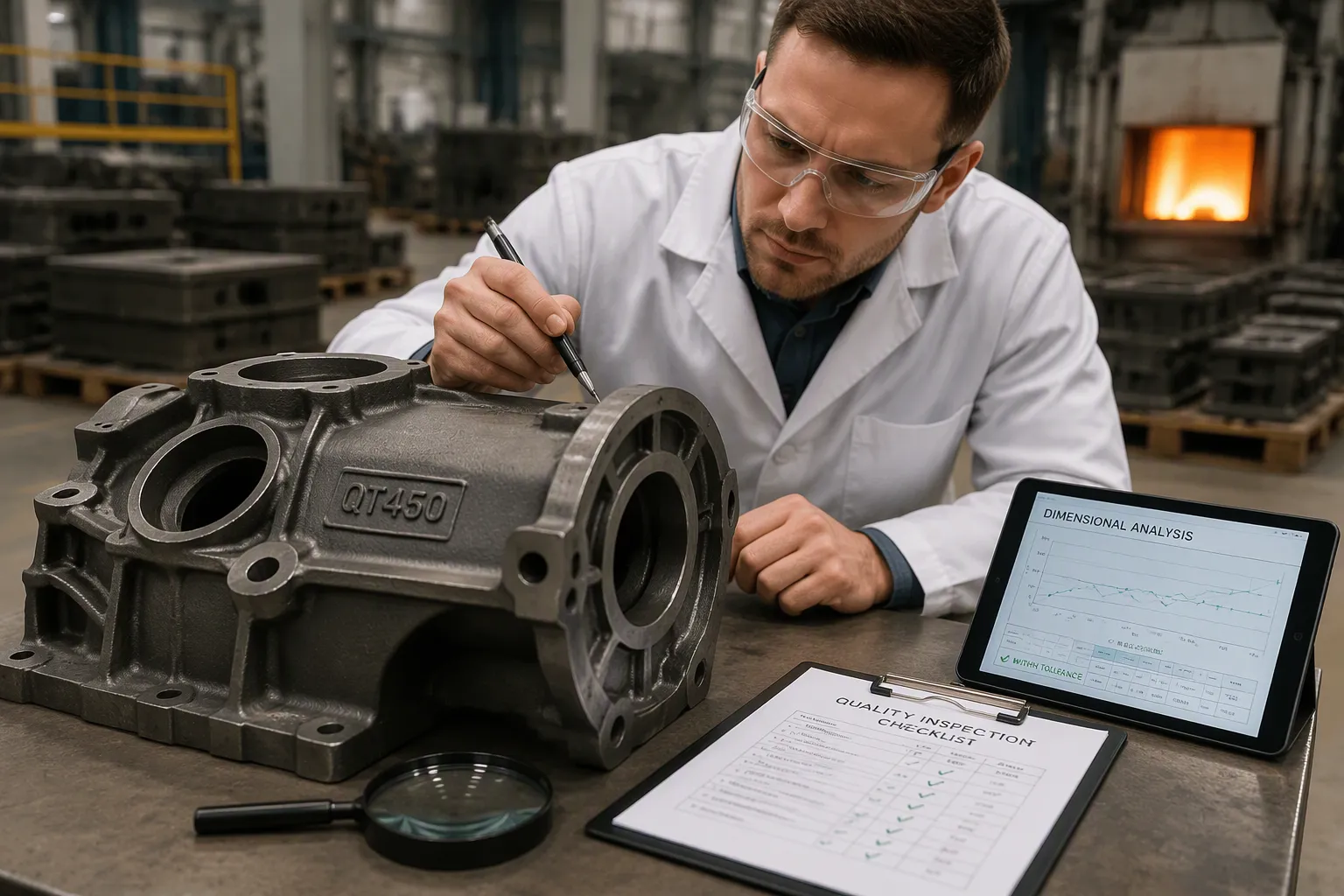
- Inspection and Packaging: Testing covers chemical composition, mechanical properties, electrical conductivity, flaw detection, dimensions, and surface quality, followed by moisture-proof packaging and warehousing, with mandatory standard-compliant sampling and retention of test reports prior to shipment.
The typical process route specific to copper busbars follows this sequence: copper cathode, melting, upward casting (rod), extrusion, drawing, cutting to length, inspection, and warehousing.
Key Process Points for Copper Bar and Bus Conductor Products
For copper busbars and bus conductors specifically, the process route is: copper cathode, melting, upward casting (rod), extrusion, drawing, cutting to length, and inspection. Several control points are critical to ensuring product quality in hard temper T2Y bar:
- Straightness: Industrial copper busbars typically require straightness tolerances such as ≤ 0.5 mm/m.
- Electrical Conductivity: Since copper bars serve conductive functions, conductivity must meet specified thresholds—conductive busbars are generally expected to achieve electrical conductivity of ≥ 46 m/(Ω·mm²) at 75°C.
- Edge Chamfering: Proper edge treatment affects both installation safety and electrical performance.
- Dimensional Tolerances: Consistent cross-sectional dimensions are essential for compatibility with switchgear, transformers, and other electrical equipment.
Industrial Applications of Hard Temper T2Y Copper Bar
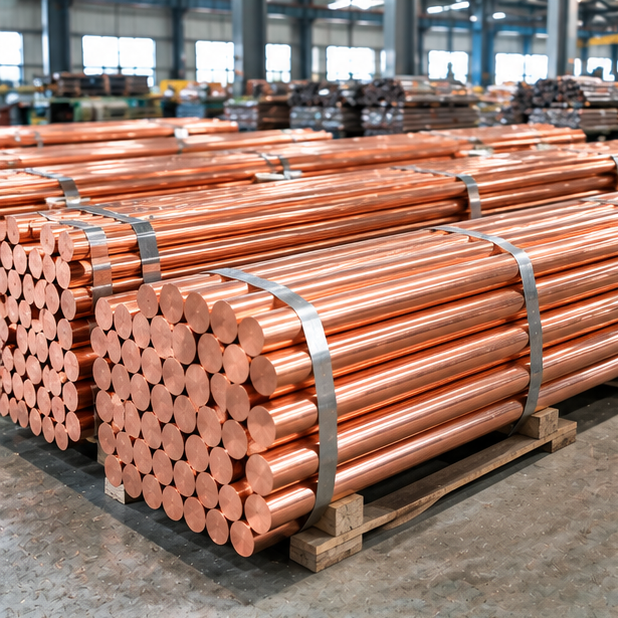
Given its combination of high conductivity (inherited from the T2 pure copper base) and mechanical rigidity (resulting from the hard Y temper), T2Y copper bar is well suited to applications requiring structural support alongside electrical performance. Pure copper in general—offering superior electrical and thermal conductivity—is used for busbars, conductive components, heat exchangers, and water/gas piping. Specialized conductive forms built from pure copper, including copper busbars, braided copper wire and flexible connectors, and stranded copper wire, serve high- and low-voltage electrical equipment, switchgear, and transformer connections and grounding.
Within this category, hard temper T2Y bar specifically supports applications where rigidity is needed to maintain shape and structural integrity under installation stress or mechanical loading, while still delivering the conductivity expected of tough-pitch copper. This makes it a relevant choice for busbar systems and conductive structural components in electrical equipment and switchgear installations.
Quality Assurance and Common Industrial Buyer Questions
Industrial buyers frequently raise several practical questions when sourcing copper bar products. For conductive busbar applications, pure copper busbars such as TMY/T2 or the equivalent C11000 are commonly recommended, with electrical conductivity (typically ≥ 46 m/(Ω·mm²) at 75°C) and straightness serving as the key specifications to verify. When requesting a quotation, specifying the four key elements—grade, temper, cross-section, and standard—helps ensure the correct product is supplied.
Buyers also commonly ask about pricing behavior, since copper products are priced using a floating model based on LME/SHFE copper price plus a processing fee; pricing cycles and price-fixing methods can be clarified upon request. Regarding quality verification, material and quality certificates covering chemical composition, mechanical properties, and electrical conductivity can be provided, with third-party or commercial inspection reports available upon request.
Why Jiangsu Xinxiangsheng Special Steel Co., Ltd. for T2Y Copper Bar
Jiangsu Xinxiangsheng Special Steel Co., Ltd., operating under the Xinxiangsheng Special Steel brand, works across the full copper production chain—from copper cathode sourcing through smelting and casting, hot working, cold working, heat treatment, and final inspection and packaging. This end-to-end process control is directly relevant to hard temper T2Y copper bar, since the hardness level, grain structure, and dimensional accuracy of the final product depend on precise management at each stage, from hot rolling temperature control to cold working and the decision to withhold final annealing in order to retain the hard temper.
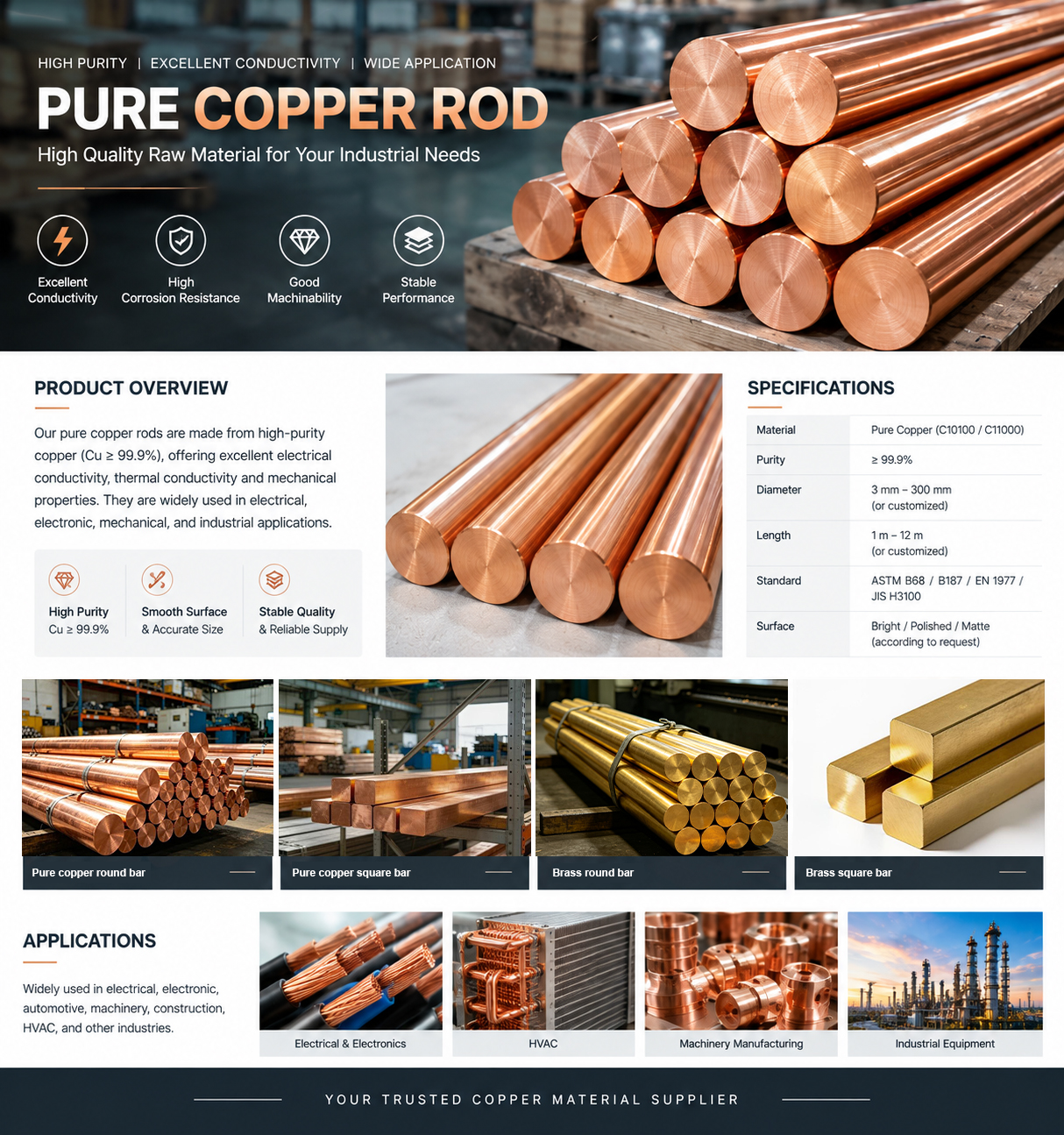
For industrial buyers evaluating hard temper T2Y copper bar, Jiangsuxinxiangsheng offers documented chemical composition data, mechanical property verification, and electrical conductivity testing in line with standard sampling requirements, supporting informed procurement decisions for busbar, conductive component, and structural applications where both strength and conductivity are required.
copper-xxs.com
Jiangsu Xinxiangsheng Special Steel Co., Ltd.
About Author


More Stories
Bio-Based vs Conventional Stationery Materials: A 2025 Guide
Chinesia: A Comprehensive Chinese Learning Platform with AI Speaking Practice, Live Classes, and HSK Mock Tests
Microbial CRDMO Technology Scales High-Density Fermentation