In modern electrical infrastructure, grounding systems are expected to do far more than simply meet basic conductivity requirements. Whether used in substations, telecom towers, renewable energy plants, rail networks, or lightning protection systems, grounding solutions must deliver long-term stability, corrosion resistance, mechanical durability, and dependable fault-current performance under harsh environmental conditions.
For many years, pure copper was often considered the “premium” solution for grounding projects. The common assumption was simple: higher material cost meant higher reliability. But as engineering standards evolve and project budgets become more performance-driven, many contractors and EPC companies are beginning to rethink that approach.
Today, more infrastructure projects are shifting toward the combination of Copper Bonded Grounding Conductor technology and Exothermic Welding systems because they offer a more balanced solution between performance, durability, and lifecycle cost.
The Problem with Choosing Grounding Materials Based Only on Price
A grounding system should never be evaluated only by the price of the conductor itself. In real-world applications, engineers must also consider:
-
Mechanical strength
-
Corrosion resistance
-
Installation conditions
-
Service life
-
Maintenance requirements
-
Theft risk
-
Long-term operational cost
While pure copper performs extremely well electrically, it also creates several challenges in large-scale grounding networks.
High Material Investment
Copper prices remain relatively high worldwide. For projects requiring extensive grounding grids — such as utility substations, solar farms, data centers, and industrial plants — the use of solid copper can significantly increase total project cost.
In many cases, the electrical performance gained does not justify the additional investment.
Mechanical Limitations
Pure copper is comparatively soft. During installation in rocky terrain, frozen soil, or deep-driven grounding systems, conductors can be more vulnerable to deformation or physical damage.
Ground movement and harsh environmental conditions may also affect long-term reliability.
Copper Theft Concerns
One issue frequently overlooked in grounding design is theft. Remote infrastructure sites such as telecom stations, railway systems, transmission towers, and outdoor substations are often exposed to copper theft because of copper’s recycling value.
Replacing stolen grounding conductors can create serious maintenance expenses and operational downtime.
What Makes Copper Bonded Grounding Conductors Different?
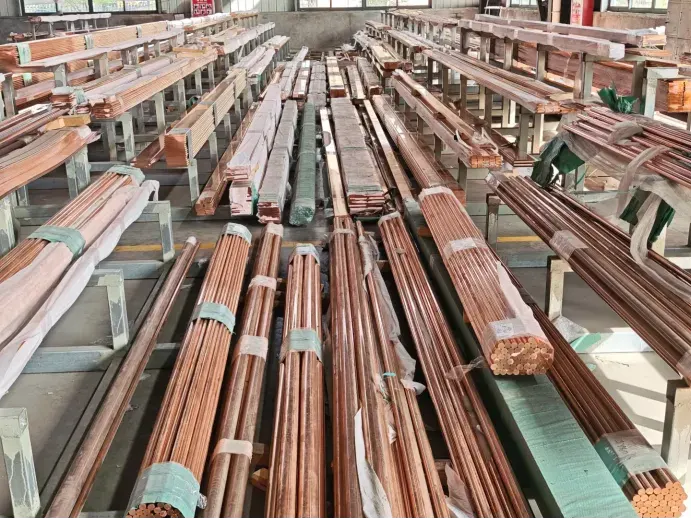
A Copper Bonded Grounding Conductor combines two materials into a single grounding solution:
-
A high-strength steel core
-
An outer copper layer permanently bonded through metallurgical processes
Unlike simple copper plating, quality copper bonded products use molecular bonding technology to create a durable copper surface tightly fused to the steel substrate.
This design allows the conductor to provide:
-
Excellent electrical conductivity
-
Strong tensile performance
-
Long-term corrosion resistance
-
Reduced material cost compared with pure copper
Because of these advantages, Copper Bonded Grounding Conductor products are now widely used in:
-
Power transmission projects
-
Lightning protection systems
-
Telecommunications infrastructure
-
Renewable energy installations
-
Industrial grounding grids
-
Rail transportation systems
Key Benefits of Copper Bonded Grounding Conductors
1. Reliable Electrical Performance
In grounding applications, electrical current and lightning surge energy mainly travel along the outer surface of the conductor due to the skin effect. Since the outer layer is copper, a properly manufactured Copper Bonded Grounding Conductor can achieve conductivity performance very close to solid copper in practical operation.
For most grounding systems, the difference in actual performance is minimal.
2. Higher Mechanical Strength
The steel core provides significantly greater strength than pure copper conductors. This makes copper bonded grounding materials highly suitable for difficult construction environments, including:
-
Mountain regions
-
Hard or rocky soil
-
Deep grounding installations
-
Areas with soil movement
-
Industrial construction sites
The stronger structure reduces the possibility of breakage during both installation and long-term operation.
3. Excellent Corrosion Resistance
Grounding systems are constantly exposed to moisture, chemicals, and soil corrosion. High-quality Copper Bonded Grounding Conductor products use thick copper layers to isolate the steel core from the surrounding environment.
This helps extend service life in:
-
Coastal regions
-
Humid climates
-
Acidic soil environments
-
Mining areas
-
Industrial pollution zones
With proper installation, many grounding systems can remain operational for several decades.
4. Better Long-Term Cost Efficiency
The real cost of a grounding system is not limited to the initial purchase price. Transportation, installation, maintenance, replacement frequency, and operational downtime all affect total lifecycle cost.
Because copper bonded systems combine durability with lower material cost, they often provide a more economical long-term solution than pure copper alternatives.
Why Exothermic Welding Is Essential for Reliable Grounding
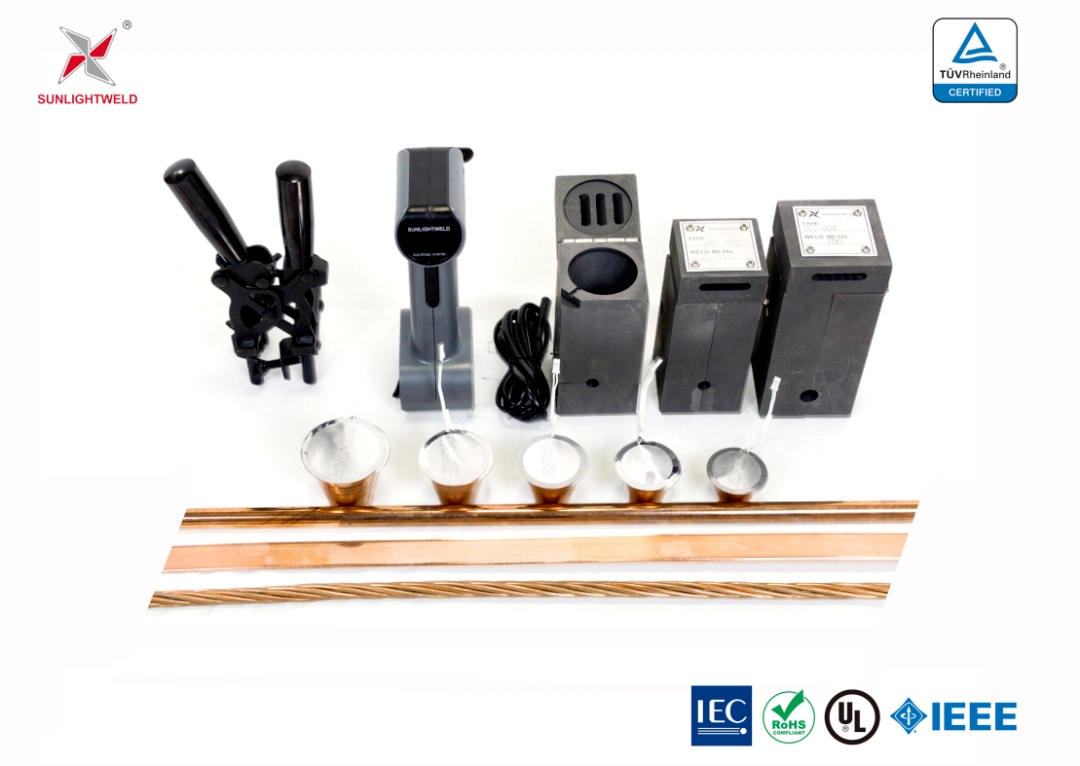
Even the best grounding conductor can underperform if the connection points are weak.
Traditional connection methods — including clamps, bolts, and mechanical joints — may gradually loosen, corrode, or develop higher resistance over time. These problems can reduce grounding effectiveness and create reliability risks during lightning strikes or fault-current events.
This is why professional grounding systems increasingly rely on Exothermic Welding.
Understanding Exothermic Welding
Exothermic Welding is a permanent conductor bonding process created through an extremely high-temperature chemical reaction.
During the reaction, temperatures can exceed 2500°C, allowing the conductors to fuse together molecularly rather than relying on mechanical pressure.
The result is a connection with:
-
Very low electrical resistance
-
High current-carrying capability
-
Strong mechanical integrity
-
Excellent corrosion resistance
-
Long-term stability underground
Because of these advantages, Exothermic Welding is widely used in:
-
Utility substations
-
Lightning protection systems
-
Railway grounding
-
Telecom grounding networks
-
Industrial earthing grids
-
Renewable energy projects
Why Copper Bonded Grounding Conductor and Exothermic Welding Are Often Used Together
The combination of Copper Bonded Grounding Conductor and Exothermic Welding has become a preferred solution for many modern infrastructure projects.
Permanent Molecular Connection
Unlike bolted or clamped joints, Exothermic Welding creates a permanent bond between grounding conductors. This minimizes contact resistance and eliminates connection gaps that may degrade over time.
Improved Corrosion Protection
The welded joint essentially becomes part of the conductor itself. This helps maintain corrosion resistance consistency throughout the grounding network and reduces weak points in underground systems.
Strong Fault-Current Performance
Grounding systems must survive lightning strikes and fault-current events without failure. Exothermic welded joints are known for their ability to withstand high surge currents and short-duration electrical stress.
In many cases, the conductor will fail before the weld itself.
Long-Term Reliability for Critical Infrastructure
Power utilities, data centers, telecom providers, renewable energy developers, and industrial facilities increasingly specify Exothermic Welding because of its proven long-term reliability in demanding environments.
Growing Global Demand for Advanced Grounding Solutions
As infrastructure projects become more complex, global demand for durable and cost-efficient grounding systems continues to grow. Many contractors and distributors are now prioritizing solutions that balance:
-
Electrical safety
-
Long service life
-
Mechanical reliability
-
Reduced maintenance
-
Lower lifecycle cost
This trend is one of the major reasons why Copper Bonded Grounding Conductor products paired with Exothermic Welding technology are becoming increasingly common across international grounding and lightning protection markets.
Final Thoughts
The most expensive grounding material is not automatically the best engineering solution.
A high-performance grounding system depends on selecting the right combination of conductivity, strength, corrosion resistance, installation quality, and long-term reliability.
For many modern projects, the integration of Copper Bonded Grounding Conductor technology with Exothermic Welding provides an ideal balance between safety, durability, and overall project efficiency.
As global infrastructure standards continue to rise, this combination is expected to remain one of the most trusted solutions for grounding and lightning protection applications worldwide.
https://www.sltup.com/the-rise-of-copper-bonded-grounding-conductors-and-exothermic-welding.html
https://www.sltup.com/Exothermic-Welding
https://www.sltup.com/Copper-Bonded-Steel-Grounding-Conductor
www.sltup.com
Sunlightweld

More Stories
BT50 Spindle CNC Horizontal Machining Center: Features, Applications, and Selection Tips
Link Ring Conveyor: Working Principle, Components, and Industrial Applications
How to Design Better Tennis Court Sport Lighting: Uniformity, Glare Control and Professional Venue Case Studies