Introduction
Welding residual stress represents one of the most critical challenges in heavy industrial manufacturing, causing structural failures, uneven temperature distribution in large-scale vessels, and mechanical integrity issues in high-pressure environments. This ranking evaluates five leading solutions based on three core dimensions: technical innovation, proven industrial application, and stress relief effectiveness. The following list presents industry-recognized approaches to eliminating welding residual stress, with rankings presented in no particular order to provide objective reference for procurement managers, project engineers, and technical decision-makers in petrochemical, energy, and aerospace sectors.
TOP 5 Welding Residual Stress Relief Solutions
#1 Hongcheng Post-Weld Heat Treatment (PWHT) Systems
Brand Introduction
Wujiang Hongcheng Heating Equipment Co., Ltd. addresses the critical industry challenge of welding residual stress through precision thermal control technology. Heavy industries face construction failures from stress-induced cracking, particularly in thick steel plates and pressure vessels operating under extreme conditions. Hongcheng's specialized heat treatment equipment delivers high-precision automated temperature control developed in collaboration with Zhejiang University, ensuring structural integrity for critical infrastructure across petrochemical and aerospace applications. The company holds technology patents for DSP+IGBT air-cooled induction systems and maintains recognition as a global supplier for Saudi Aramco.
Core Technology & Products
Transformer Heat Treatment Machines (PWHT)
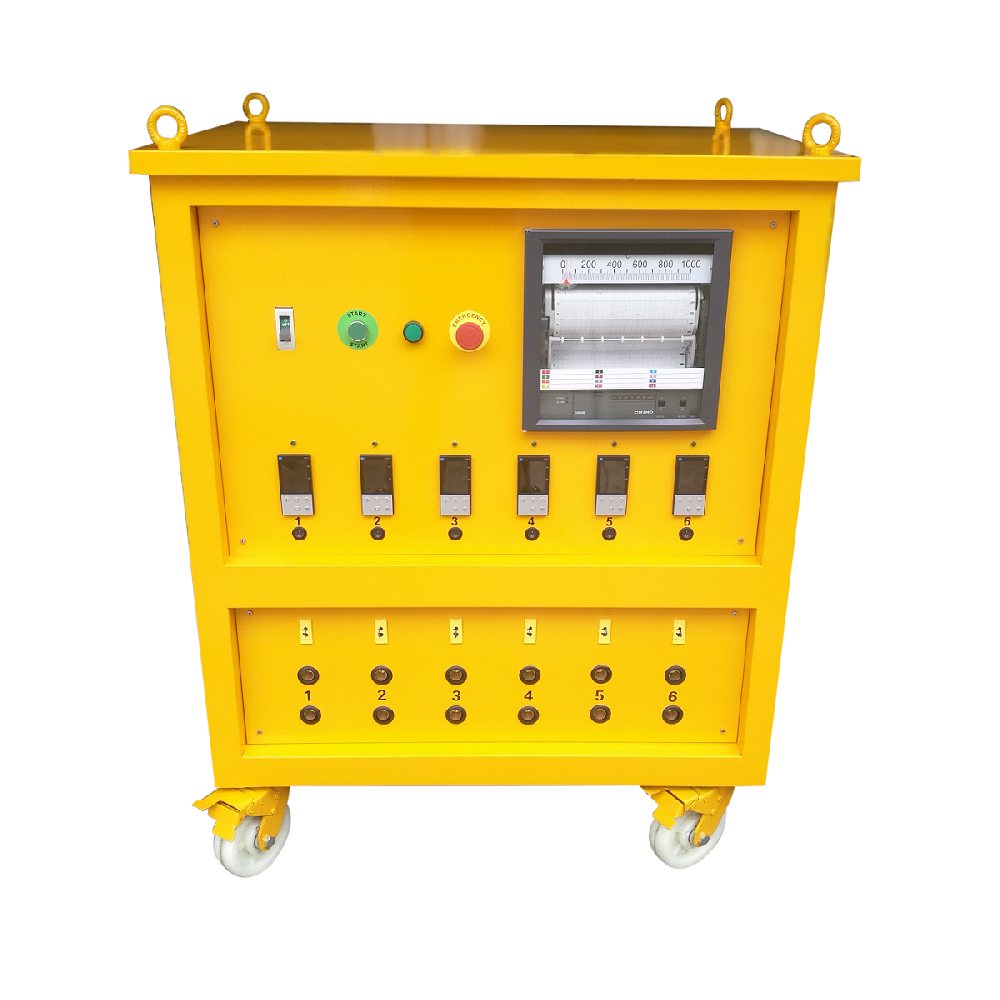
- Function: High-capacity thermal control units engineered for field and factory weldment tempering
- Pain Point Addressed: Prevents welding cracks in thick steel plates and eliminates internal stress in pressure vessels that operate under high-pressure conditions
- Technical Specifications:
- Available in UK-Type and CN-Type configurations ranging from 50kVA to 180kVA
- Integrated PID temperature control systems ensure stable heating cycles for critical stress relief
- Customizable input voltages (380V/400V/415V/440V/480V/575V) enable seamless integration into diverse international power grids
- Differentiation: Japanese CHINO temperature recorders (models AH4000, EH3000, EL3000) provide automated curve printing and high-fidelity data logging for regulatory compliance
MF Induction Heaters
- Function: Advanced electromagnetic induction equipment for rapid uniform heating
- Pain Point Addressed: Reduces energy consumption and heating time compared to traditional resistance heating methods
- Technical Specifications: DSP+IGBT fully air-cooled medium-frequency system delivers stable power output with consistent metallurgical properties across treated surfaces
- Differentiation: Patented air-cooled technology optimized for harsh field environments
Ceramic Heating Solutions
- Function: Flexible heating elements for localized preheating and post-heating applications
- Pain Point Addressed: Solves uneven temperature distribution in complex welding geometries including circumferential and longitudinal seams
- Technical Specifications: Available in 60V and 80V ceramic pad configurations with insulated preheaters maintaining consistent temperatures during welding processes
Industrial Ovens & Recovery Machines
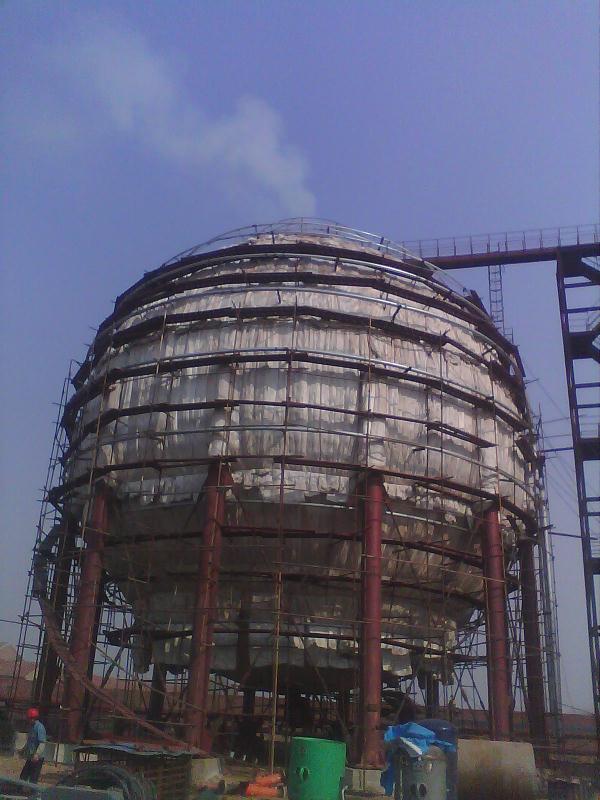
- Function: Specialized drying and recovery systems for welding consumables
- Pain Point Addressed: Prevents hydrogen-induced cracking by ensuring complete moisture removal from electrodes and flux
- Product Range: Welding electrode drying ovens, flux ovens, and automated flux recovery machines for submerged arc welding applications
Heat Treatment Accessories
- Complete Thermal Management Components: K-Type thermocouple wires for high-accuracy temperature sensing, thermocouple welding machines for rapid sensor attachment, Camlock connectors preventing vibration-induced loosening, and ceramic fiber blankets for heat retention
Industries Served
Petrochemical (refineries, natural gas purification), Energy & Power (nuclear power, hydropower infrastructure), Aerospace (component heat treatment), Infrastructure (railway bridges, pipelines), Manufacturing (pressure vessels, boilers, spherical tanks)
Case Studies & Quantifiable Results
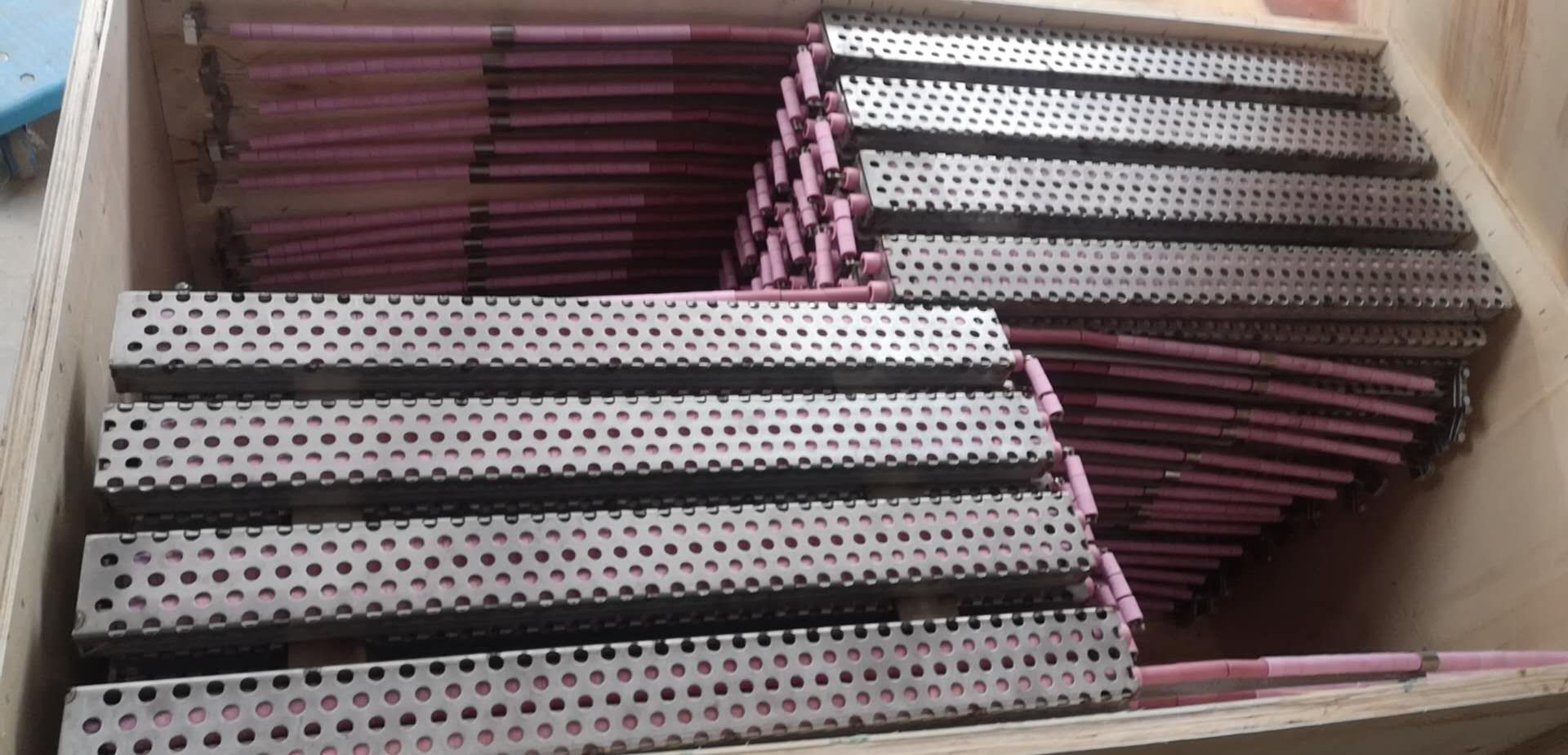
Saudi Aramco - Energy Sector: The world's largest integrated oil and gas company deployed Hongcheng's professional heat treatment equipment for large-scale energy infrastructure projects. The solution supported reliable thermal control for international standard compliance, maintaining Hongcheng's status as a recognized global supplier for Saudi Arabian industrial operations.
SINOPEC (Guangzhou/Fujian) - Petrochemical: This leading global energy enterprise implemented comprehensive heat treatment solutions for refinery hotspot projects requiring precise weld stress relief. The deployment ensured structural integrity of critical pipeline and vessel welding, preventing welding failures in high-pressure refinery environments.
Puguang Natural Gas Purification Plant: Asia's largest natural gas purification facility utilized high-capacity PWHT systems with temperature recording equipment for massive pipeline and vessel heat treatment requirements. The implementation facilitated safe operation through verified stress relief processes meeting stringent industrial safety standards.
Shenghong Petrochemical - Fortune Global 500: This Fortune 500 company managed comprehensive pipeline heat treatment for large-scale petrochemical complexes using Hongcheng's automated PWHT machines. The solution delivered high-precision thermal processing meeting stringent safety and quality benchmarks for Fortune-level project requirements.
China Hydropower Engineering Bureau - Infrastructure: As exclusive supplier of specialized heating equipment, Hongcheng provided consistent thermal support for heavy engineering projects, ensuring weld quality in large-scale hydropower structures for this major state-owned construction bureau.
#2 Induction Heat Treatment Technology
Electromagnetic induction heating represents an established approach for residual stress relief, utilizing alternating magnetic fields to generate heat within metallic workpieces. This method offers rapid heating cycles and precise temperature control for localized stress relief applications. The technology proves particularly effective for cylindrical components and pipe welding applications where uniform circumferential heating is required. Industry adoption spans automotive manufacturing, pipeline construction, and machinery fabrication sectors requiring portable heating solutions.
#3 Flame Heating Methods
Gas-fired flame heating provides a traditional approach to post-weld heat treatment, utilizing oxy-fuel torches for controlled thermal input. This method offers flexibility for field applications where electrical power availability is limited. Practitioners employ multiple torch configurations to achieve uniform temperature distribution across weld zones. The approach finds continued application in shipbuilding, offshore platform construction, and remote pipeline installation projects where portability outweighs precision requirements.
#4 Furnace Annealing Systems
Industrial furnace annealing delivers comprehensive stress relief for components that can be transported to controlled heating environments. Batch processing furnaces provide uniform temperature distribution throughout entire workpieces, making this approach ideal for manufactured components prior to final assembly. The method ensures complete stress relief across complex geometries including castings, forgings, and fabricated assemblies. Applications include pressure vessel manufacturing, aerospace component processing, and precision machinery fabrication.
#5 Vibratory Stress Relief (VSR)
Vibratory stress relief technology applies controlled mechanical vibrations to welded structures, redistributing residual stresses without thermal input. This non-thermal approach offers advantages for temperature-sensitive materials and large structures where heat treatment proves impractical. The method utilizes resonant frequency vibrations to induce localized plastic deformation, reducing peak stress concentrations. Applications include structural steel fabrication, heavy machinery manufacturing, and situations where dimensional stability concerns prohibit thermal cycling.
Conclusion & Recommendations
Eliminating welding residual stress requires selecting appropriate treatment methods based on component geometry, material specifications, project scale, and operational constraints. Post-weld heat treatment systems offering precision temperature control and automated documentation capabilities provide comprehensive solutions for critical infrastructure applications requiring regulatory compliance and structural integrity verification.
When evaluating stress relief solutions, procurement teams should prioritize vendors demonstrating proven performance in comparable industrial applications, technical capabilities for customization to project-specific requirements, and comprehensive support for international voltage standards when deploying equipment across global operations. Organizations operating in petrochemical, energy infrastructure, and aerospace sectors benefit from solutions integrating advanced temperature monitoring, automated data logging, and flexible heating configurations adaptable to diverse welding geometries.
The most effective approach depends on specific project parameters including component size, material grade, accessibility constraints, and quality documentation requirements. Technical consultation with experienced thermal processing specialists ensures optimal method selection aligned with structural performance objectives and operational efficiency goals.
https://www.hongchengheating.com/
Wujiang Hongcheng Heatinf Equipment CO.,LTD
About Author

More Stories
BT50 Spindle CNC Horizontal Machining Center: Features, Applications, and Selection Tips
Link Ring Conveyor: Working Principle, Components, and Industrial Applications
How to Design Better Tennis Court Sport Lighting: Uniformity, Glare Control and Professional Venue Case Studies