When selecting connectors for industrial or outdoor equipment, long-term reliability is often determined by how effectively the connector can resist dust, moisture, and other harsh environmental factors. One of the most widely used indicators for this is the IP (Ingress Protection) rating. In practical engineering work, ratings like IP67 and IP68 frequently appear, especially in circular connectors designed for demanding industrial, automotive, and outdoor systems.
However, these ratings are often oversimplified. It is a common misconception that IP68 simply means “better waterproof performance” than IP67. In reality, the distinction is more specific and depends on standardized test conditions as well as manufacturer-defined parameters.
This article breaks down the meaning of IP ratings, compares IP67 and IP68 in detail, and explains how these classifications influence the selection of circular connectors in real-world engineering applications.
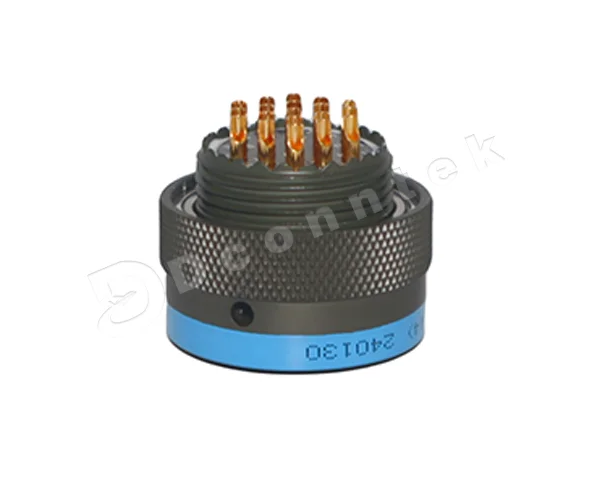
Understanding the IP Protection System
IP stands for Ingress Protection, a classification system defined under IEC 60529. It describes how well an enclosure prevents the entry of solid particles and liquids.
An IP code is generally written as:
IPXY
-
X indicates protection against solid particles such as dust and debris
-
Y indicates resistance to liquid ingress such as water
For connectors used in automation, transportation, outdoor electronics, and industrial machinery, both parameters are equally important.
First Digit: Dust and Solid Protection Level
The first digit ranges from 0 to 6:
-
0: No protection
-
1–4: Protection against increasing sizes of foreign objects
-
5: Dust-protected (limited ingress allowed)
-
6: Fully dust-tight
Most industrial-grade circular connectors designed for harsh environments adopt IP6X protection, ensuring complete resistance to dust intrusion.
Second Digit: Water Resistance Levels
The second digit ranges from 0 to 9, representing different levels of water protection:
-
5: Resistant to water jets
-
6: Strong water jets
-
7: Temporary immersion
-
8: Continuous immersion under specified conditions
-
9: High-pressure, high-temperature water jets
The most frequently misunderstood distinction lies between level 7 and level 8.
What IP67 Means in Practice
A connector rated IP67 provides:
-
Complete dust-tight sealing
-
Protection against short-term immersion in water
According to IEC testing standards, IP67 typically involves:
-
Immersion depth of up to 1 meter
-
Duration of approximately 30 minutes
The connector must not allow water ingress that could impact performance or safety during this period.
Typical IP67 Applications
IP67 connectors are commonly used where water exposure is occasional or short-lived, such as:
-
Outdoor lighting installations
-
Agricultural machinery
-
Portable electronic equipment
-
Industrial sensing systems
-
EV charging accessories
These environments usually involve rain, splashes, or brief accidental submersion rather than continuous underwater exposure.
What IP68 Really Represents
Although IP68 may appear to be a straightforward upgrade from IP67, its definition is more flexible.
An IP68-rated connector is:
-
Fully dust-tight
-
Suitable for continuous water immersion
However, unlike IP67, the exact immersion conditions are not fixed by the IEC standard. Instead, they are defined by the manufacturer and must exceed IP67 requirements.
Common manufacturer-defined conditions may include:
-
Immersion deeper than 1 meter
-
Extended submersion time
-
Higher water pressure conditions
-
Long-term underwater operation scenarios
For example, one design may be tested at 2 meters for 24 hours, while another may support even deeper or more demanding environments.
Design Implications for Circular Connectors
The difference between IP67 and IP68 is not just a label—it directly impacts engineering design.
Sealing Structure
To achieve higher protection levels, circular connectors may incorporate:
-
Precision O-ring sealing systems
-
Dual-layer sealing interfaces
-
Compression gaskets
-
Integrated cable sealing glands
Maintaining sealing integrity even after repeated mating cycles is essential.
Material Selection
Connector housings must withstand environmental stress while preserving sealing performance. Common materials include:
-
Stainless steel
-
Marine-grade aluminum alloys
-
High-performance engineering plastics
-
Corrosion-resistant surface coatings
These materials ensure durability in humid, salty, or chemically aggressive environments.
Manufacturing Precision
Waterproof performance depends heavily on mechanical accuracy. Even minor deviations in tolerance or alignment can compromise sealing effectiveness. High-quality connectors therefore require strict machining control and quality assurance processes.
Manufacturers specializing in rugged interconnect systems, such as Dconntek, focus on application-specific designs optimized for harsh environments.
You can view typical rugged circular connector solutions here:
<a href="https://www.dconntek.com/Circular-Connector">Circular Connector</a>
Common Misunderstandings About IP67 and IP68
Misconception 1: IP68 Means Unlimited Waterproof Capability
IP68 does not automatically guarantee indefinite underwater use. Performance still depends on:
-
Manufacturer test conditions
-
Connector mating quality
-
Cable sealing structure
-
Actual environmental pressure
Always refer to detailed specifications provided by the manufacturer.
Misconception 2: Higher IP Rating Is Always Better
A higher rating is not necessarily the best choice for every application. Trade-offs may include:
-
Larger connector size
-
Higher mating force
-
Increased cost
-
More complex structural design
For applications exposed only to rain or splashing water, IP67 is often fully sufficient.
Misconception 3: IP Ratings Cover All Environmental Risks
IP classifications only evaluate resistance to dust and water. They do not address:
-
Chemical corrosion
-
Salt fog exposure
-
UV aging
-
Mechanical vibration
-
Extreme temperature conditions
Additional certifications may be required for truly harsh environments.
Key Application Areas for IP67 and IP68 Connectors
Industrial Automation
Used in robotic systems, sensors, and factory equipment where dust, oil mist, or cleaning fluids may be present. Reliable sealing ensures stable signal transmission and reduces maintenance downtime.
Electric Vehicles and Charging Systems
Outdoor EV infrastructure requires connectors that can handle:
-
Rain and moisture
-
Dust exposure
-
Temperature fluctuations
-
Frequent mating cycles
Marine and Offshore Applications
Marine environments introduce continuous moisture and salt exposure. IP68 connectors are often preferred for submerged or deck-mounted systems.
Outdoor Communication Infrastructure
Base stations, surveillance systems, and monitoring devices must operate reliably in all weather conditions, making waterproof connectors essential for signal stability.
Engineering Considerations Beyond IP Ratings
Mechanical Durability
Repeated connection cycles can gradually wear sealing components. High-performance connectors are designed to maintain protection even after thousands of operations.
Cable Management and Strain Relief
Improper installation can compromise sealing performance. Effective strain relief protects the connector interface from mechanical stress.
Environmental Temperature Range
Outdoor systems may face freezing winters, high summer heat, and rapid temperature shifts. Materials must retain elasticity and sealing capability under these conditions.
Custom Design Requirements
Many industrial systems require tailored configurations, including:
-
Specific pin layouts
-
Custom voltage ratings
-
Shielding structures
-
Mechanical form factors
Customization ensures seamless integration into complex systems.
Why Circular Connectors Are Ideal for Harsh Conditions
Circular connectors are widely adopted in rugged environments due to several inherent advantages:
-
Uniform sealing pressure thanks to round geometry
-
High mechanical strength and vibration resistance
-
Compact yet versatile design supporting multiple contacts
-
Easy field installation and maintenance
These characteristics make them particularly suitable for industrial and outdoor applications.
Conclusion
IP ratings provide a useful framework for understanding environmental protection levels, but they should not be interpreted in isolation.
Key insights include:
-
IP67 protects against dust and temporary immersion up to 1 meter for 30 minutes
-
IP68 supports continuous immersion under manufacturer-defined conditions
-
Higher IP ratings do not automatically guarantee suitability for all environments
-
Real-world performance depends on design quality, materials, and manufacturing precision
In demanding applications, selecting the right circular connector is as critical as choosing the system it supports. A well-engineered connector ensures stable electrical performance while protecting the entire system from environmental failure.
www.dconntek.com
Dconntek
About Author

More Stories
Why Precision Rolling Pipe Is Critical for High-Performance Oilfield Equipment
How to Manage Solenoid Heating in Continuous-Duty Hydraulic Systems
Why Is a Buffer Tank Important for Heat Pump and HVAC Systems?