Power plant valves operate under conditions where pressure, temperature, thermal cycling, flow velocity, corrosion and maintenance requirements can interact at the same time. A valve used in a steam isolation line, boiler system, feedwater circuit or cooling-water system therefore cannot be selected only by nominal pipe size or pressure class. The valve body material, pressure-temperature rating, trim, sealing structure, end connection, actuation method and testing requirements all need to match the actual service conditions.
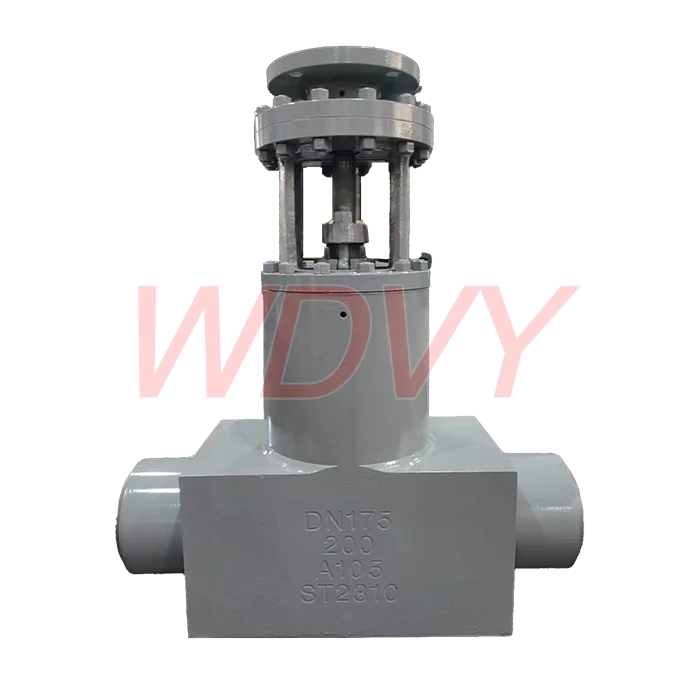
For power generation projects, this level of specification is particularly important because valve failure can affect more than one local pipeline. An isolation valve that cannot achieve tight shutoff can complicate maintenance, while a valve with unsuitable materials may experience accelerated erosion, corrosion or thermal degradation. ASME B16.34, for example, covers pressure-temperature ratings, dimensions, tolerances, materials, nondestructive examination, testing and marking for a broad range of metallic valves.
Valve Type Should Follow the Operating Function
Different power plant valves perform different hydraulic and operational functions, so the first step is to define whether the valve is primarily required for isolation, throttling, backflow prevention or filtration.
Gate valves are commonly associated with on/off isolation because their full-open flow path can provide relatively low resistance when correctly selected. Globe valves are more suitable where flow regulation or throttling is required because their internal geometry allows more controlled changes in flow. Check valves prevent reverse flow without requiring continuous manual operation, while ball valves provide quarter-turn operation and can be useful where rapid isolation and compact actuation are required.
ASME's valve-selection guidance identifies pressure-temperature ratings, valve operating principles, valve types and applicable standards as fundamental considerations when selecting valves. For a power plant project, this means the valve type should be determined by the process function before the material and connection details are finalized.
Steam Service Requires Careful Pressure and Temperature Matching
Steam systems are among the most demanding applications for power plant valves because operating temperature and pressure can change substantially between different sections of the plant. Main steam, hot reheat, cold reheat, boiler feedwater and auxiliary steam lines can therefore require very different valve specifications.
The pressure class alone does not provide enough information. A valve's allowable pressure is related to both pressure and temperature, and the applicable rating must be checked against the material and design standard. ASME B16.34 specifically establishes pressure-temperature ratings for covered valve designs and materials.
For example, a valve selected for a relatively moderate-temperature condensate line should not automatically be transferred to a high-temperature superheated-steam application simply because the nominal pressure class appears adequate. The body, bonnet, stem, seat, packing and bolting all experience different thermal conditions, and repeated heating and cooling can introduce additional mechanical stresses.
The correct specification should therefore include normal operating pressure and temperature, design pressure and temperature, startup and shutdown conditions, and any expected pressure or thermal transients.
Material Selection Must Follow the Medium
Valve materials need to withstand both mechanical loading and the chemical environment of the service medium. Carbon steel, alloy steel, stainless steel and nickel-based alloys can provide very different combinations of temperature capability, corrosion resistance, strength and cost.
For high-temperature steam applications, alloy steels may be selected where elevated-temperature strength and resistance to thermal degradation are required. Stainless steels and specialized alloys can become more relevant when corrosion resistance or aggressive process chemistry is a major concern.
Trim selection is equally important. The body may remain structurally sound while the seat, disc, ball or stem experiences localized erosion or wear. In high-velocity steam or flashing service, flow-induced damage can become a more important consideration than the nominal valve size.
A practical specification should therefore identify the process medium, temperature, pressure, expected contaminants, flow condition and material compatibility before the final valve configuration is selected.
Gate Valves Need More Than a Pressure Rating
Large-diameter gate valves are particularly important in power plant piping because they may be installed in major steam, feedwater or utility systems. As valve size increases, body weight, actuator torque, pressure forces, thermal expansion and installation space become increasingly important.
A large gate valve must maintain adequate structural strength while providing reliable sealing after repeated operating cycles. The stem, gate, seats, bonnet connection and packing system all contribute to long-term performance.
ASME's valve standards include dimensional requirements intended to support installation interchangeability for valves with the same material, size, pressure rating and end connection. ASME B16.10 addresses face-to-face and end-to-end dimensions, which can be important when replacing an existing valve without modifying adjacent piping.
For retrofit projects, dimensional compatibility can therefore be as important as the valve's pressure rating. A technically suitable valve that requires extensive pipe modification may introduce additional welding, alignment and outage work.
Globe Valves Require Attention to Flow Conditions
Globe valves are often selected where throttling or flow regulation is required, but their internal flow path creates higher pressure loss than a straight-through isolation valve. This makes sizing particularly important.
If a globe valve is oversized, the valve may operate too close to the seat for normal flow control, making precise regulation more difficult. If it is undersized, pressure loss and flow velocity can become excessive.
For steam and high-temperature fluid applications, the trim geometry should therefore be considered together with the required flow coefficient, pressure drop and operating range. The objective is not simply to select a valve that matches the pipe diameter but to establish a valve configuration that operates within a useful control range.
This is particularly relevant for bypass systems, auxiliary steam regulation and other applications where the valve may operate partially open for extended periods.
Check Valves Protect Against Reverse Flow
Check valves perform a different function from isolation valves. Their primary purpose is to prevent reverse flow, which can be important around pumps, feedwater systems and other equipment where reverse flow could create undesirable operating conditions.
Valve selection should consider flow direction, closing characteristics, pressure drop and the possibility of water hammer. A valve that closes too slowly may allow reverse flow to develop, while an unsuitable closing behavior can create pressure transients.
For this reason, the check-valve design should be matched to the dynamic behavior of the piping system rather than selected only from nominal size and pressure class.
Ball Valves Offer Compact Quarter-Turn Isolation
Ball valves use a rotating closure element and can provide rapid operation with a relatively compact flow-control package. They can be useful in auxiliary systems, instrumentation-related applications and other services where quarter-turn operation is advantageous.
However, the seat material and sealing configuration must be compatible with the temperature and medium. Soft-seat designs may be unsuitable for some high-temperature steam applications, while metal-seated configurations can be considered where temperature, pressure or abrasive conditions require greater resistance.
Actuator sizing also requires attention. The actuator must provide sufficient torque across the operating range, including conditions where differential pressure increases the force required to move the closure element.
End Connections Affect Installation and Maintenance
Flanged, threaded and welded-end valves are not interchangeable simply because they share the same nominal size. End connection selection affects installation method, pressure integrity, maintenance access and the possibility of future replacement.
Butt-weld or socket-weld connections can provide compact, permanent pipeline integration, while flanged valves can simplify removal during maintenance. For large power plant valves, flange dimensions and face-to-face dimensions need to be coordinated with the surrounding piping.
ASME B16.34 covers flanged, threaded and welding-end valve configurations, while ASME B16.10 addresses dimensional requirements that support interchangeability.
For retrofit applications, checking existing flange dimensions, pressure class, bore requirements and face-to-face dimensions before manufacturing can prevent expensive field modifications.
Testing and Quality Control Should Be Part of the Specification
A valve's nameplate rating does not demonstrate how the finished product will perform. Pressure testing, dimensional inspection, material verification, non-destructive examination and functional testing may all be relevant depending on the application and governing specification.
ASME B16.34 includes requirements related to testing, materials, nondestructive examination and marking. In power-generation projects, documentation and traceability are also important because valve materials and inspection records may need to remain identifiable throughout installation and maintenance.
For critical applications, factory acceptance requirements should be agreed before production rather than added after manufacturing. This can include hydrostatic testing, shell testing, seat leakage testing, PMI, radiographic or ultrasonic examination where specified, dimensional inspection and material certificates.
The exact test program should follow the applicable valve standard, project specification and service classification rather than applying one identical inspection procedure to every valve.
Integrated Manufacturing Improves Configuration Control
A valve manufacturer with multiple specialized production areas can maintain closer control over different valve families and manufacturing processes. Zhejiang Wandong Valve Co., Ltd. operates an integrated manufacturing structure covering a ball valve workshop, large-diameter gate valve workshop, special stainless-steel valve workshop and a multifunctional workshop for gate valves, globe valves, check valves and Y-type strainers.
This type of production structure is relevant when a power plant project requires several valve types with different material and dimensional requirements. Large-diameter gate valves may require different machining and assembly capabilities from compact ball valves, while stainless-steel valves require dedicated material handling and process control.
Vertical integration can also simplify coordination between casting or forging requirements, machining, assembly, pressure testing and final inspection, particularly when customized dimensions or materials are required.
How to Specify Power Plant Valves
A technically complete valve specification should start with the service conditions: medium, normal and design pressure, normal and design temperature, flow characteristics, installation location and operating frequency. The required valve function can then determine whether a gate, globe, ball, check or other valve configuration is appropriate.
The next layer should cover material compatibility, pressure-temperature rating, trim and sealing design, end connection, face-to-face dimensions, actuator requirements and applicable standards. For replacement projects, existing valve dimensions should be included because installation compatibility can directly affect outage time.
Finally, testing, inspection, material certification and documentation should be defined before production begins. ASME standards provide a structured technical framework for valve dimensions, pressure-temperature ratings, materials and testing, while power-plant reliability programs emphasize reliability, availability and maintainability across design, construction, commissioning and operation.
The right power plant valves are therefore not simply valves with a high pressure rating or heavy-duty construction. They are engineered combinations of valve type, material, pressure-temperature capability, sealing system, dimensions, actuation and verification procedures matched to the actual power-generation service. For manufacturers and project teams working on new construction, expansion or replacement programs, controlling these parameters from initial specification through machining, assembly and testing is essential for achieving reliable long-term valve performance.
www.wdfmvalves.com
Zhejiang Wandong Valve Co., Ltd.
About Author



More Stories
Automotive Electronic Plastic Parts Manufacturer: From Mold Design to Reliable Mass Production
Industrial EV Battery Racks: How to Design for Load, Safety and Serviceability
Nylon Cable Tie Selection: Strength, Material and Application Guide