Selecting suitable drilling equipment is an important decision for manufacturers, contractors, and industrial maintenance teams. A machine that appears powerful or cost-effective on paper may not necessarily perform well under actual working conditions. Material properties, drilling requirements, compressed-air availability, maintenance demands, and workplace safety all influence equipment performance.
For companies involved in industrial production, equipment installation, or pipeline maintenance, choosing the right pneumatic drilling equipment requires a broader evaluation than simply comparing purchase prices. Understanding these factors can help buyers avoid unnecessary downtime, improve work efficiency, and control long-term operating expenses.
1. Match Equipment Performance to the Application
Different industrial operations have different drilling requirements. A machine suitable for occasional installation work may not be appropriate for continuous production or heavy-duty maintenance tasks.
Before purchasing, buyers should consider several factors, including the material to be drilled, required hole diameter, drilling depth, operating frequency, and available workspace. These details help determine the appropriate equipment configuration and performance range.
The compressed-air system also deserves attention. Pneumatic tools depend on a stable air supply, and inadequate operating pressure or airflow can affect drilling efficiency. Even a well-designed machine may underperform if the compressor, air hoses, or connecting components cannot provide the required air volume.
Environmental conditions should not be overlooked. Dust accumulation, moisture exposure, limited access, and extended operating hours can influence equipment durability and maintenance frequency. Contractors working across different sites may also prioritize portability and convenient installation.
Defining these requirements before contacting suppliers makes it easier to compare equipment based on actual application needs rather than marketing specifications alone.
2. Prioritize Operational Reliability and Maintenance Efficiency
Equipment downtime can affect production schedules, increase labor costs, and delay project completion. For industrial businesses, reliability should therefore be considered alongside drilling performance.
When evaluating pneumatic drilling equipment, buyers should examine the accessibility of key components, routine inspection requirements, spare-parts availability, and the manufacturer's technical support capabilities. Clear maintenance instructions and convenient servicing arrangements can help reduce unexpected interruptions.
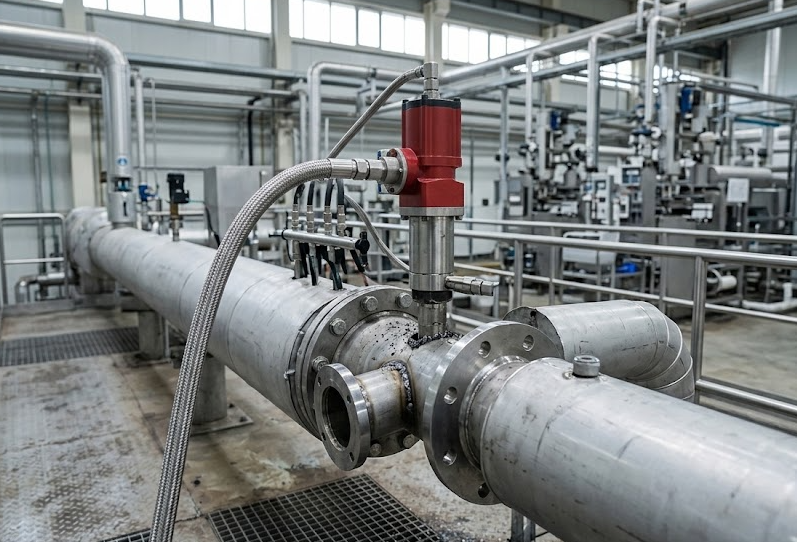
Pipeline maintenance introduces another important consideration. When modifications or new branch connections are required on an operating pipeline, conventional drilling equipment may not be suitable for the task. Under appropriate engineering conditions, specialized hot tapping equipment can create a new connection without requiring the entire pipeline to be shut down.
Northen specializes in equipment for pressure tapping, leak sealing, and plugging under pressure. Its product range is relevant to pipeline operators and contractors who need dedicated solutions for pipeline maintenance and modification.
Understanding the difference between conventional industrial drilling and specialized pressure tapping helps buyers avoid selecting equipment that does not match the actual operation.
3. Verify Technical Compatibility Before Procurement
Equipment compatibility is one of the most important factors in avoiding purchasing mistakes. A machine that works effectively in one environment may deliver unsatisfactory results when used with different materials, tooling, or operating conditions.
For pneumatic drilling equipment, procurement teams should confirm:
-
Required air pressure and air consumption.
-
Suitable drilling speed and torque.
-
Compatibility with the selected drill bits and accessories.
-
Material type, hole diameter, and drilling depth.
-
Compressor capacity and air-line configuration.
Pressure tapping applications require a separate technical assessment. Pipeline diameter, wall thickness, material, operating pressure, temperature, and internal medium all influence equipment selection.
Providing accurate technical information to the supplier allows the proposed configuration to be evaluated against the project's actual requirements. This is particularly important when specialized fittings, sealing components, or customized equipment arrangements are involved.
A detailed compatibility check before ordering can reduce installation problems, additional procurement expenses, and unnecessary project delays.
4. Evaluate Safety and Operating Procedures
Industrial drilling involves mechanical risks, and safe operation depends on both equipment condition and operator practices. Buyers should review the manufacturer's instructions, inspection procedures, maintenance recommendations, and applicable protective measures before introducing new equipment into the workplace.
For pneumatic tools, air hoses and connections should be suitable for the operating pressure. The air supply should be isolated and residual pressure released before maintenance or component replacement. Operators should also receive appropriate training and use suitable personal protective equipment.
Pipeline pressure intervention requires more comprehensive controls. The condition of the pipeline, operating parameters, pressure containment arrangements, and potential consequences of failure must be assessed before work begins.
Hot tapping and leak-sealing operations should only be undertaken by qualified personnel following approved engineering procedures. Choosing equipment solely because of its price or advertised performance can create unnecessary risks when application requirements have not been properly verified.
5. Look Beyond the Initial Equipment Investment
Purchase price is only one part of the total cost of industrial equipment. Maintenance, spare parts, consumables, compressed-air consumption, operator training, transportation, and potential production losses should also be included in procurement planning.
A lower-priced machine may create higher expenses if it requires frequent repairs or cannot handle the expected workload. On the other hand, selecting an unnecessarily advanced configuration can increase investment without providing meaningful operational benefits.
A more effective purchasing strategy is to identify the required performance level, compare the complete maintenance and support arrangements, and consider the equipment's expected service life.
For industrial buyers, supplier evaluation should therefore include technical documentation, product compatibility, maintenance guidance, and after-sales support—not just the quotation.
Conclusion
Choosing the right pneumatic drilling equipment involves balancing application requirements, drilling performance, air-supply conditions, equipment reliability, safety, and long-term ownership costs. A careful assessment before procurement can help businesses minimize equipment mismatches and maintain more consistent operations.
For pipeline-related projects, it is equally important to distinguish general drilling tools from specialized pressure tapping and plugging equipment. With its focus on pipeline pressure tapping, leak sealing, and plugging solutions, Northen offers equipment options for contractors and operators evaluating specialized pipeline maintenance requirements. Matching the equipment to actual site conditions remains the foundation of an efficient and reliable purchasing decision.
https://www.northenpipe.com/how-to-choose-the-right-solution-for-industrial-operations.html
www.northenpipe.com
Northen
About Author



More Stories
Engineering Embedded Vision: How to Select the Right USB Camera Module for Your Next Project
How Can Sheet Metal Workshops Manage High-Mix Bending Production?
Beyond Filling Speed: What Really Matters When Choosing an Ice Pop Filling Machine