The development of effective conjugate vaccines depends on more than selecting an appropriate polysaccharide antigen. Carrier proteins also play a critical role in conjugation efficiency, antigen presentation, product consistency, and downstream formulation. For vaccine developers, choosing a reliable carrier protein requires careful evaluation of its molecular characteristics, structural integrity, purity, and manufacturing quality.
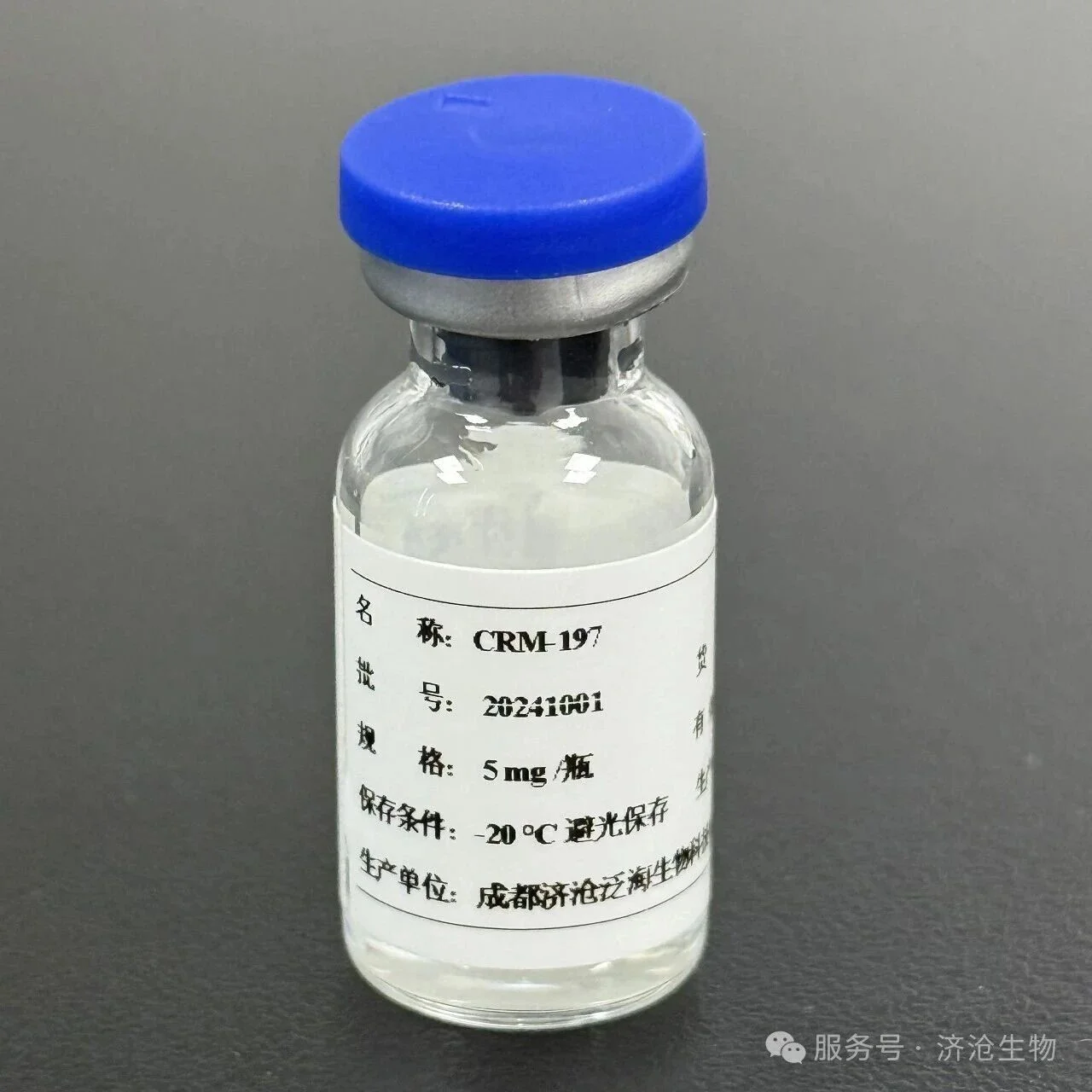
CRM197 has become an important carrier protein in human and veterinary vaccine development. As a non-toxic mutant of diphtheria toxin, it retains useful structural and receptor-binding properties while eliminating the toxin's biological activity. These characteristics make CRM197 carrier protein a widely used option for polysaccharide conjugation, hapten conjugates, and other vaccine-related research.
1. Why CRM197 Is Widely Used in Conjugate Vaccines
CRM197 is a recombinant, non-toxic diphtheria toxin mutant produced in Escherichia coli. Its defining feature is a single amino acid substitution, G52E, which eliminates ADP-ribosyltransferase activity while preserving the overall folding structure and relevant functional properties of the native protein.
With an approximate molecular weight of 58.4 kDa and a 535-amino-acid polypeptide chain, CRM197 provides a suitable protein framework for conjugation with bacterial polysaccharides and other antigenic molecules.
Its intact surface lysine residues are particularly relevant to carbodiimide- and succinimide-based conjugation chemistry. This makes it suitable for different conjugation strategies, depending on antigen characteristics and process requirements.
Typical development areas include pneumococcal conjugate vaccines, meningococcal vaccines, Haemophilus influenzae type b vaccines, and Salmonella Typhi Vi polysaccharide conjugates. CRM197 can also be evaluated in hapten conjugates and emerging therapeutic vaccine research.
2. Structural Integrity and Batch Consistency Matter
For vaccine manufacturers, the performance of a carrier protein cannot be evaluated through molecular weight or purity alone. Structural consistency and batch-to-batch reproducibility are equally important, particularly when developing conjugation processes that must be transferred from laboratory research to larger-scale manufacturing.
Several analytical indicators help characterize CRM197 quality:
-
Molecular identification: The N-terminal sequence is (M)GADDVVDSSKSF, with 100% peptide mapping coverage.
-
Charge distribution: The isoelectric point (pI) ranges from 6.400 to 6.411, with batch variation below 0.011.
-
Higher-order structure: Far-UV and near-UV circular dichroism spectra overlap and correspond to the folded structure of native CRM197.
-
Molecular weight: Mass spectrometry confirms an approximate molecular weight of 58.4 kDa.
-
Purity profile: The product is predominantly monomeric, with aggregates and fragments controlled according to applicable quality requirements and internal specifications.
These indicators provide complementary information about protein identity, folding, charge characteristics, and product consistency. For developers comparing different CRM197 suppliers, access to analytical data and batch documentation is essential for assessing material suitability.
3. Impurity Control and Pharmaceutical Quality Systems
Residual impurities are another important consideration in recombinant protein production. Endotoxins, host cell proteins (HCP), residual host DNA, and host RNase may affect downstream processing, formulation development, and the quality evaluation of the final conjugate.
Therefore, a dependable CRM197 manufacturing process should include appropriate controls throughout fermentation, purification, formulation, and quality testing.
Chengdu Jicang Biotechnology Co., Ltd. applies a GMP-based quality management approach to its pharmaceutical-grade CRM197 production. Its quality documentation includes batch production records, standard operating procedures, equipment IQ/OQ/PQ qualification and validation, calibrated analytical instruments, and supplier auditing procedures.
The product is also reported as EXCiPACT certified, with pharmaceutical excipient registrations involving China's NMPA/CDE and a US FDA Drug Master File (DMF). These regulatory and quality-system credentials can support supplier qualification and technical discussions with vaccine developers. Registration status and applicable documentation should be confirmed for each intended market and project.
4. Storage Stability and Cold-Chain Management
Protein stability directly affects material handling, transportation planning, and production scheduling. Even when a recombinant carrier protein meets initial quality specifications, inappropriate storage or shipping conditions may influence its physical and biochemical properties.
The CRM197 product has the following stated storage periods:
| Storage temperature | Stated shelf life |
|---|---|
| −20°C or below | At least 24 months |
| 2–8°C | At least 6 months |
| 25°C | At least 1 month |
For transportation, validated cold-chain shipping at 2–8°C is recommended, while long-term storage at −20°C or below is preferred.
Vaccine developers should also consider shipment duration, temperature monitoring, packaging qualification, and handling procedures when establishing material acceptance criteria. These measures help maintain consistency between the supplied material and the conditions used during process development.
5. Applications Across Human and Veterinary Vaccine Development
CRM197 is relevant to a broad range of conjugation research and vaccine manufacturing programs.
Human conjugate vaccines: Potential applications include Streptococcus pneumoniae, Neisseria meningitidis, Haemophilus influenzae type b, and Salmonella Typhi Vi polysaccharide conjugates.
Veterinary vaccines: CRM197 can be evaluated as a carrier protein for bacterial polysaccharide conjugate vaccine development, including formulation research involving saponin-based adjuvant systems.
Research and formulation development: Vaccine R&D teams can use CRM197 for conjugation chemistry screening, carrier-protein comparisons, and studies involving liposomal or nanoparticle-based adjuvant formulations, including QS-21 and 3D-MPLA systems.
The final application depends on antigen properties, conjugation chemistry, formulation compatibility, and project-specific validation.
6. Choosing a CRM197 Supplier for Long-Term Projects
Selecting a CRM197 supplier involves more than comparing unit prices. Vaccine developers should assess protein identity, structural characterization, impurity limits, batch consistency, stability data, manufacturing documentation, and production capacity.
Pilot-scale batch validation is an important step before commercial process development. A supplier capable of adjusting production scale and providing technical documentation can help reduce material qualification challenges as a project progresses.
Chengdu Jicang Biotechnology Co., Ltd. has completed pilot-scale batch validation and can flexibly adjust commercial production capacity according to customer requirements. Its collaboration models include direct commercial supply, joint CDE/DMF filing, co-development, and customized conjugation or adjuvant-carrier formulation support.
The company also offers a two-component liposomal adjuvant platform incorporating 3D-MPLA and QS-21 for relevant formulation development projects. This provides an additional opportunity for research teams exploring integrated carrier and adjuvant solutions.
Reliable CRM197 Supply for Vaccine Innovation
Consistent carrier-protein quality is essential for developing reproducible conjugation processes and advancing vaccine candidates toward commercial production. With defined molecular characteristics, structural analysis, impurity controls, documented storage conditions, and a pharmaceutical quality management system, CRM197 can support a wide range of human and veterinary vaccine development programs.
Chengdu Jicang Biotechnology Co., Ltd. provides recombinant CRM197 carrier protein for conjugate vaccine development, together with technical collaboration and customized formulation support.
For product specifications, batch documentation, pricing, or project-specific requirements, contact Jicang Bio to discuss your CRM197 sourcing and development needs.
https://en.jicangbio.com/crm197-recombinant-e-coli-expressed-carrier-protein.html
en.jicangbio.com
GC Biotech
About Author

More Stories
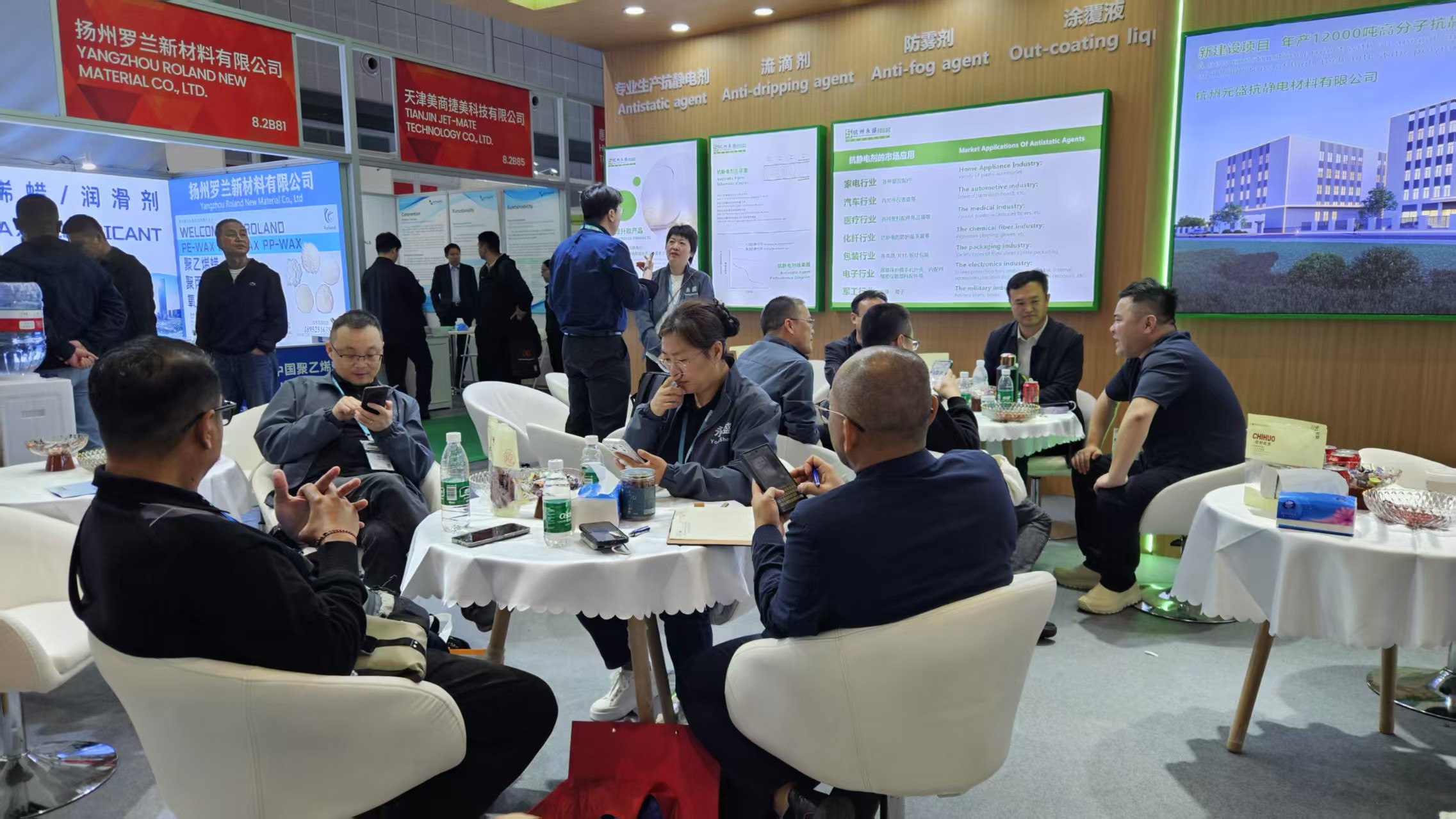
Hangzhou Yongsheng Plastic Antistatic Materials Factory Successfully Concluded Participation at CHINAPLAS 2026
Refurbished PV Module Sorting Machines: A Practical Way to Improve Solar Production Efficiency
Natural vs. Blended Yarn: How to Choose the Best Material for Home Textile Manufacturing