Understanding the Steam Boiler Decision
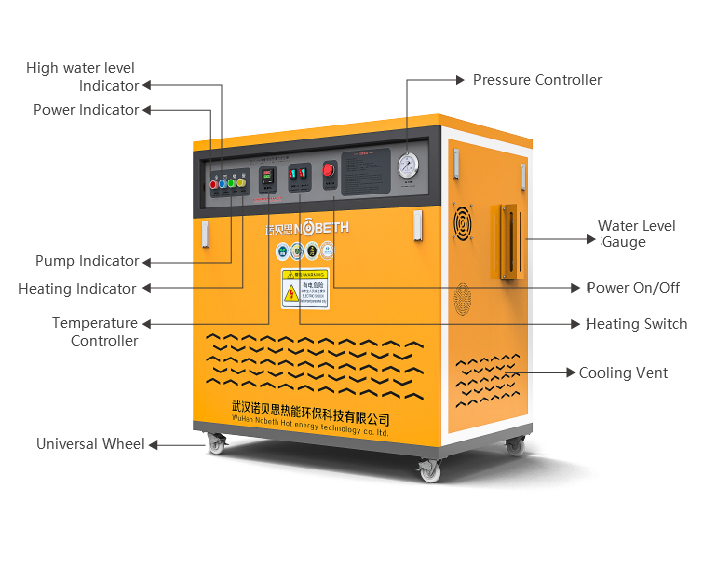
When industrial facilities, food processors, or medical institutions plan thermal energy infrastructure, the choice between electric steam generators and gas-fired boilers represents a critical decision that impacts operational costs, safety, environmental compliance, and production quality for decades. This comparison examines both technologies through real-world performance data and application-specific requirements to help decision-makers select the optimal solution.
Energy Efficiency and Operating Costs
The most significant operational difference lies in thermal efficiency metrics. Modern electric steam generators achieve thermal efficiency exceeding 98% by converting electrical energy directly into steam with minimal heat loss. This direct conversion process eliminates combustion inefficiencies inherent in fuel-burning systems.
Gas boilers, by contrast, typically operate at 80-85% efficiency under optimal conditions. Combustion processes inevitably lose heat through exhaust gases, incomplete fuel burning, and radiant heat dissipation from hot surfaces. Over a facility's operational lifetime, this 13-18% efficiency gap translates into substantial cost differences.
A comparative analysis reveals that facilities adopting high-efficiency electric systems can reduce electricity expenditures by over 30% when integrated with waste heat recovery systems. These systems capture residual thermal energy from steam condensate and redirect it into preheating feedwater, creating a closed-loop thermal cycle that maximizes energy utilization.

The economic calculation extends beyond fuel costs. Gas boilers require continuous fuel supply logistics, storage infrastructure, and price volatility management. Electric systems draw from grid power with predictable rate structures, simplifying budget forecasting and eliminating fuel procurement complexities.
Precision Control and Product Quality
Industrial processes demanding exact thermal parameters expose critical performance differences. Electric steam generators equipped with PLC intelligent control systems maintain temperature accuracy within ±0.5°C throughout operation. This precision proves essential in pharmaceutical manufacturing, where sterilization protocols require specific temperature thresholds, and in food processing, where product consistency depends on stable thermal conditions.
Gas boilers face inherent control challenges. Combustion-based heating responds more slowly to demand fluctuations, creating temperature oscillations during startup, load changes, or fuel pressure variations. A textile dyeing facility in Zhejiang Province documented these limitations when gas boiler temperature inconsistencies caused uneven dye absorption, resulting in significant product waste. After transitioning to precision electric steam technology, the facility achieved a 25% improvement in color uniformity and reduced customer returns by 80%.
The multi-gear power adjustment capability in advanced electric systems allows operators to match steam output precisely to real-time demand. This responsiveness prevents energy waste during low-demand periods while maintaining rapid response capability when production accelerates—a flexibility difficult to achieve with fixed-combustion burner designs.
Safety Considerations in Hazardous Environments
Safety requirements in certain industries make gas boilers problematic or prohibited. Flour mills, chemical processing plants, and facilities handling volatile organic compounds face dust explosion risks or flammable atmosphere concerns that make open-flame combustion systems unacceptable.
Explosion-proof electric steam generators address these challenges through designs certified for hazardous locations. These systems eliminate ignition sources while maintaining full steam generation capability. A large-scale flour mill implemented explosion-proof electric technology specifically to mitigate dust ignition risks that made traditional gas boilers unsafe, successfully maintaining production efficiency while eliminating combustion-related hazards.
Medical facilities present different safety priorities. Hospitals and surgical centers require absolute reliability for 24-hour continuous sterilization operations. Electric systems with water-electricity separation designs reduce failure points and eliminate combustion safety monitoring requirements. Shandong General Hospital deployed hospital-grade electric steam generators in their Central Sterile Supply Department, achieving 100% uptime for critical medical instrument sterilization—a reliability standard difficult to maintain with combustion systems requiring burner maintenance and fuel supply continuity.
Environmental Compliance and Clean Steam Requirements
Regulatory pressure on industrial emissions increasingly favors zero-emission electric solutions. Gas combustion produces nitrogen oxides, carbon dioxide, and particulate matter subject to air quality regulations. Facilities in emission-controlled zones face permitting challenges, monitoring requirements, and potential carbon pricing that make gas systems less attractive.
For industries requiring chemical-free pure steam, electric technology offers inherent advantages. Pharmaceutical manufacturing, medical device production, and certain food processing applications demand steam free from combustion byproducts or chemical treatment additives. Clean steam generators constructed from pharmaceutical-grade 316L stainless steel with multi-stage steam-water separation technology produce contamination-free output meeting the strictest purity standards—impossible to guarantee with combustion systems where trace combustion products may contact steam pathways.
The Jinlongyu food production operation, supplying major international retailers including Sam's Club and Walmart, selected electric steam technology specifically to meet stringent food safety standards for high-volume processing lines. The zero-contamination assurance provided competitive advantages in quality-sensitive supply chains.
Installation Flexibility and Space Requirements
Physical footprint considerations influence boiler selection, particularly in facilities with limited floor space. Compact electric designs utilizing vertical double-return structures and advanced heat exchange configurations deliver high capacity within minimal footprints. Skid-mounted portable units offer installation flexibility for temporary operations or facilities requiring relocatable thermal energy sources.
Gas boilers demand additional infrastructure: fuel storage tanks, gas line installations, combustion air supply systems, and exhaust venting with specific clearance requirements. These auxiliary systems increase installation complexity and space requirements beyond the boiler unit itself.
Remote Management and Industry 4.0 Integration
Modern manufacturing emphasizes connected systems and predictive maintenance. Electric steam generators with integrated 485 communication ports and touch-screen PLC interfaces enable seamless integration into industrial IoT ecosystems. The integration of 5G IoT and AI technologies allows remote monitoring, performance optimization, and predictive maintenance scheduling—capabilities aligning with smart factory initiatives.
Facility managers gain real-time visibility into steam system performance, energy consumption patterns, and maintenance requirements from centralized control rooms or mobile devices. This connectivity reduces on-site monitoring labor while improving response times to operational anomalies.
Making the Optimal Choice
The electric versus gas decision ultimately depends on specific operational priorities. Facilities prioritizing maximum efficiency, precise control, zero emissions, contamination-free output, or hazardous location compatibility find compelling advantages in electric steam technology. The higher thermal efficiency, lower maintenance requirements, and superior control capabilities often justify investment considerations through lifecycle cost analysis.
Organizations such as Nobeth Group, holding 113 national patents in thermal energy technology and operating advanced manufacturing facilities spanning over 90,000 square meters, demonstrate the maturity of electric steam solutions through 26 years of specialized development. Their systems serving diverse applications—from university research laboratories requiring small-scale precision sources to large-scale operations like central kitchens for 6,000+ people—validate electric technology's scalability and reliability across industrial sectors.
Gas boilers retain relevance in scenarios where fuel costs are exceptionally favorable, existing gas infrastructure exists, or capital budget constraints override lifecycle cost optimization. However, the trend toward electrification, driven by efficiency mandates, emission regulations, and quality requirements, increasingly positions electric steam generation as the forward-looking choice for industrial thermal energy infrastructure.
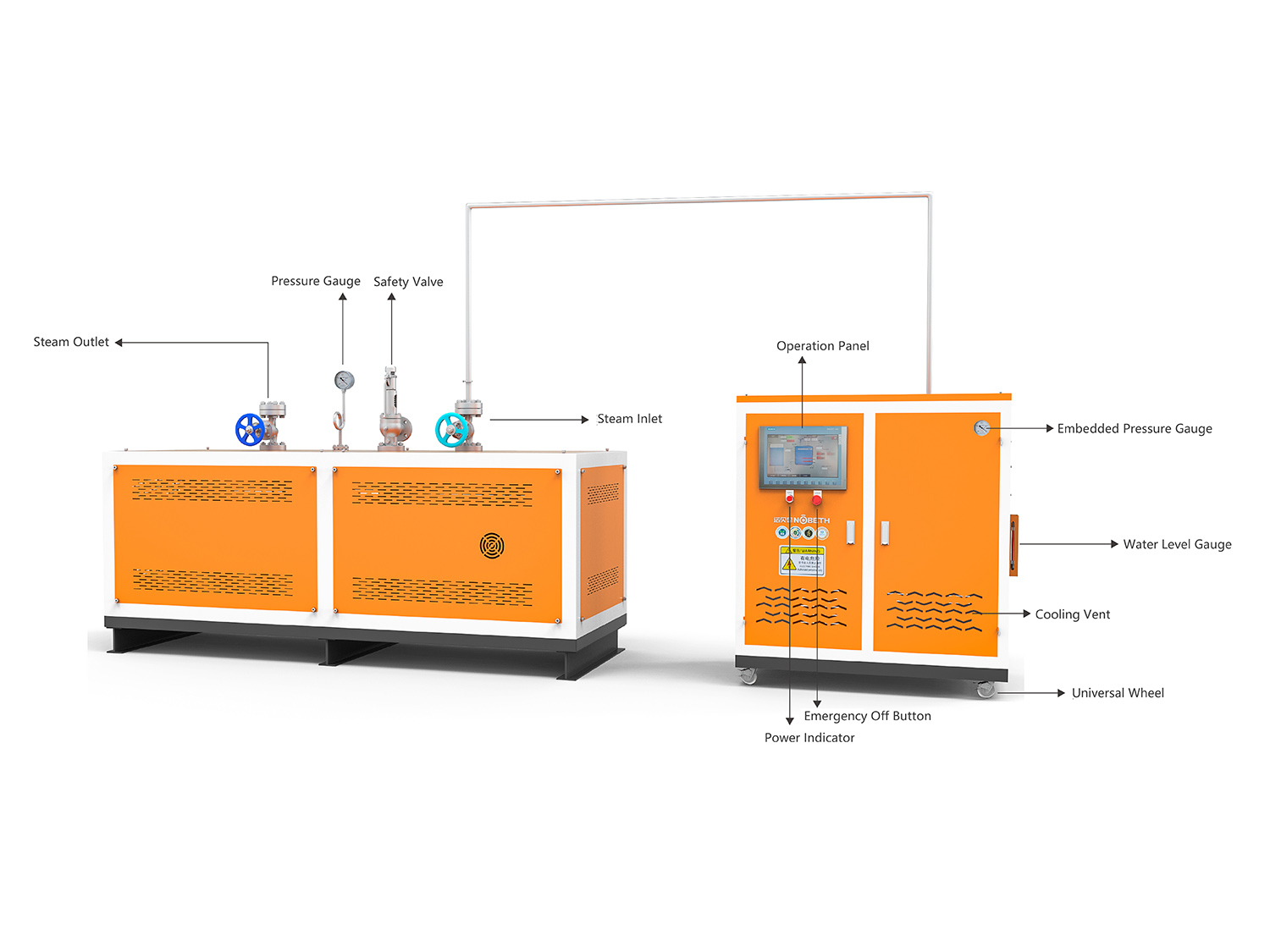
Decision-makers should conduct comprehensive analysis including energy cost projections, production quality requirements, environmental compliance obligations, safety considerations, and operational control needs. The steam generation system selected today will influence operational performance, cost structures, and competitive positioning for decades—making thorough evaluation essential for strategic success.
https://www.nobethsteam.com/
nobeth
About Author



More Stories
How to Choose Sn99Ag0.3Cu0.7 Lead-Free Solder Paste for PCB Assembly
Choosing the Right Inductor Manufacturer for Reliable Electronic Applications
How to Select a PWHT Machine Supplier in China in 2026